Labor is losing control of the economic narrative as cash-strapped households look for someone to blame | Tom McIlroy
If there was a data point that summed up the rough politics facing Labor on the economy this week, it came from KPMG’s chief economist, Brendan Rynne.
After headline inflation rose to 4.3% on Wednesday, Rynne noted the compounding effect on households and businesses around the country.
He said since the start of the Covid pandemic, consumer prices had cumulatively increased 30%. Put simply, that means something that cost $1 just a few years ago costs $1.30 today.
But wages haven’t kept pace. Someone earning $1 then is only earning $1.20 today. The numbers can be cut in different ways, but no one buying groceries or filling up their petrol tank needs reminding that pay packets are not going as far as they used to.
The latest data showed transport costs had risen 8.7% over the past 12 months, while housing costs were up 5.2% and food prices by 3.2%.
Worse for the government is that Wednesday’s numbers – including trimmed mean inflation increasing to 3.7% – have dramatically increased the chance of a Melbourne Cup day interest rate increase.
A move to 4.85% on Tuesday would take rates to their highest levels in 18 years, putting more pressure on households and more political pressure on Anthony Albanese and Jim Chalmers.
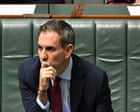
In parliament this week, you could see on the faces of senior ministers the frustration of not being able to control the economic narrative.
Adding to the tough numbers is a slew of recent polls suggesting voters think the country is going in the wrong direction, that the Coalition would do a better job managing the economy and that Albanese and Labor are to blame for economic pain.
Asked what was most responsible for the rising cost of living in this week’s Guardian Essential poll, 32% nominated government spending, well above the proportion who blamed global events such Donald Trump’s increasingly reckless war in Iran or price gouging by supermarket giants.
The prospect of public anger at the fifth interest rate rise this year will coincide somewhat awkwardly with the prime minister’s visit to Antigua for the Commonwealth heads of government summit. Albanese had not initially been expected to attend, but will now fly to the Caribbean at the urging of King Charles.

The opportunity for Labor to start the process of getting back on the front foot will come in the form of December’s mid-year budget update. While Chalmers has said there will be spending cuts, he has not confirmed whether they will outweigh new spending decisions.
Usually handed down just before the country goes on summer holidays, Albanese said on Thursday the budget update won’t see billions ripped out of health, education and essential services, highlighting how difficult it will be to find meaningful savings that do not undermine Labor’s priorities. The economic statement had already been expected to be further buffeted by higher costs for government debt due to fluctuations in the global bond market.
On Friday, Chalmers and his backers let it be known via the Sydney Morning Herald and the Age that other members of cabinet’s expenditure review committee had pushed for higher spending than the treasurer would like. The implicit message was that Albanese’s close supporters in cabinet, including those from his own left faction, wanted higher spending and should have to take at least some of the blame for the current quagmire.
The political challenge of cutting spending in the December update is more complex though. Cuts will confirm the criticism of the government’s budget strategy more broadly – proving that, along with overseas factors including the Middle East conflict, rising government spending at home has pushed the economy to the limit and added to inflation.
after newsletter promotion
Significantly improving things will require more than window dressing.
It was in this context that the opposition leader, Angus Taylor, chose Monday to announce plans for more than $30bn in proposed cuts under a Coalition government, to be delivered over four years.
In Taylor’s sights are expensive programs to help fund home batteries and electric vehicle take-up, production subsidies for the resources sector, and a series of Labor schemes including the national reconstruction and housing Australia future funds.
For his part, Chalmers was unimpressed by the opposition leader’s announcement. Any of the savings, he argues, are dwarfed by $110bn in new spending already announced by Taylor, including the epically expensive plan to index personal income tax brackets and moves to reverse changes to capital gains tax and negative gearing.
The timing comes as Coalition MPs believe their attacks on Labor’s budget strategy are cutting through with voters – and as Labor MPs privately compare the politics of the past few weeks with Labor’s first-term slump after the failed voice to parliament referendum in 2023.
Some within Labor want broader options to be considered. Ed Husic, the former industry minister, is of the view that drastic action to help households should be on the table. He has called for price controls on household essentials such as bread, milk, meat, fruit and vegetables. Husic spoke up in the same week as a new report from the charity Foodbank found one in three households had been unable to afford enough nutritious food at some point in the past year.
Asked when things will be better for households, Albanese – who overtook Ben Chifley to become one of Australia’s Top 10 longest serving prime ministers this week – said the problem won’t be solved overnight.
As anger over the economy drives support for One Nation, how long household inflation pain and Labor’s rough politics continue will determine just where things stand as voters prepare to cast judgment on the government.
KioskNews shows a cleaned-up reading view extracted from the publisher’s page — the original always lives on their site, not ours.