FSSAI alert on baby foods: What parents should know about nutrition and contamination
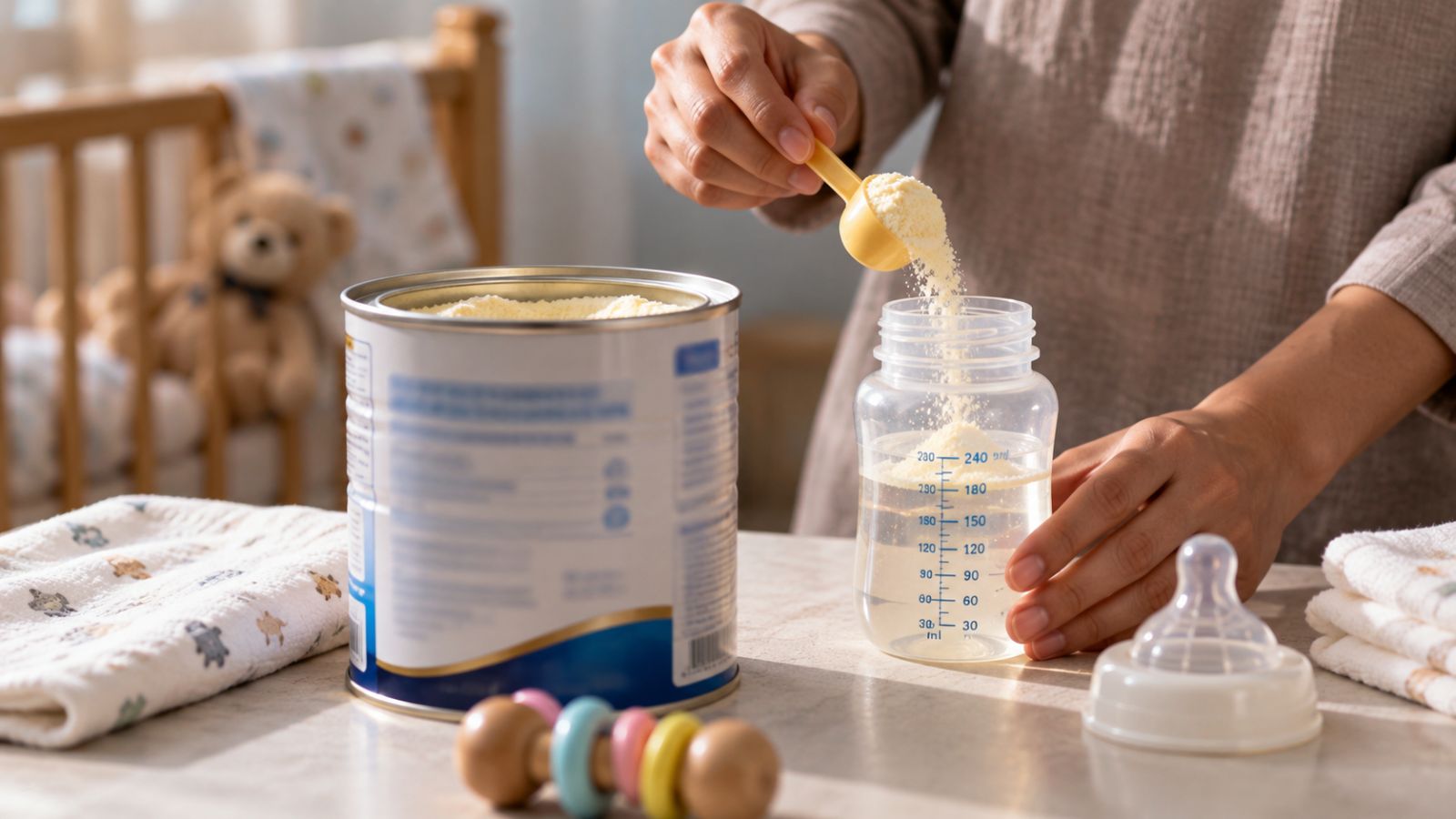
Recent infant-formula safety alerts in the US have renewed concerns about the nutritional quality of products designed for babies. US authorities reported investigations and recalls involving potential microbial contamination, alongside wider testing for heavy metals, pesticides and other chemical contaminants. These developments highlight the importance of ingredient sourcing, manufacturing controls and regulatory oversight.
In India, the issue has taken on added relevance following a September 2026 FSSAI action concerning a sample of follow-up formula that did not meet prescribed biotin (Vitamin B7) requirements on re-analysis. The regulator also initiated separate proceedings over alleged misleading label claims. While nutritional non-compliance is distinct from contamination, both raise questions about product quality, labelling and consumer trust. As Dr Shalini Garwin Bliss, Head – Dietetics, PSRI Hospital, New Delhi, explains, parents should look beyond marketing claims and focus on what matters most: “Good infant nutrition is not about buying the most expensive product; it is about providing safe, balanced nutrition that meets the child’s needs at every stage.”
What are the potential health risks if infant formula fails to meet prescribed nutritional standards, particularly for biotin?
A baby’s nutritional needs differ significantly from those of an adult because of rapid growth and development. Biotin helps the body process fats, carbohydrates and proteins. Deficiency may cause skin rashes, hair loss, poor feeding and, in severe cases, neurological symptoms. Formula must meet prescribed nutritional standards because babies may depend on it for essential nutrients. Parents concerned about a product’s quality should consult their paediatrician rather than make feeding changes independently.
How important is exclusive breastfeeding during the first six months, and when may formula be necessary?
Exclusive breastfeeding is recommended for the first six months because breast milk provides essential nutrients and antibodies that help protect babies against infections. However, every mother’s circumstances are different. Medical reasons or breastfeeding difficulties may make formula necessary. The priority is to ensure adequate nutrition with professional guidance. Mothers should receive support without guilt or judgement, regardless of how they feed their babies.
What are the alternatives to infant formula?
For babies under six months, breast milk is preferred. If breastfeeding is not possible, an appropriate commercial infant formula recommended by a healthcare professional may be necessary. Animal milk, plant-based drinks and homemade formula are not safe substitutes for young infants because they may lack the right balance of nutrients.
Story continues below this ad
From around six months, complementary foods such as well-cooked vegetables, fruits, cereals and pulses can be introduced alongside continued breastfeeding or formula feeding. Foods should provide iron, protein, vitamins and minerals, with variety and texture increasing as the baby develops.
How can parents distinguish scientific evidence from marketing claims about immunity, digestion and brain development?
Claims such as “boosts immunity” or “supports brain development” can sound reassuring, but parents should look beyond the packaging. Health claims should be supported by credible scientific evidence. The presence of a particular ingredient does not automatically guarantee better immunity, faster growth or improved development. What matters is whether the product meets the child’s overall nutritional needs. Parents should seek professional advice rather than rely on advertising or social media promotions.
What are the health consequences of added sugar in commercial baby foods?
Story continues below this ad
Babies do not need added sugar. Frequent exposure can contribute to tooth decay and encourage a preference for sweeter foods, potentially displacing more nutritious choices. Parents should check ingredient lists for sugar, glucose syrup and other sweetening ingredients instead of relying on front-of-pack claims such as “healthy” or “nutritious”. Choosing unsweetened, age-appropriate foods helps establish healthier eating habits. Honey should not be given to babies under one year.
Do human milk oligosaccharides (HMOs) and whey protein necessarily make one formula better than another?
Not necessarily. HMOs are complex carbohydrates naturally found in breast milk, while whey is a milk protein. Although certain ingredients may help replicate some aspects of breast milk, formula cannot fully reproduce its composition. The most important considerations are nutritional adequacy, safety and suitability for the baby’s individual needs. Specialised formula should be selected with a paediatrician’s guidance, not simply because they advertise premium ingredients.
What should parents check on packaged baby food labels, and how concerned should they be about contamination?
Story continues below this ad
Parents should check the age recommendation, ingredient list, nutritional information, expiry date, storage instructions and packaging condition. Contaminants such as heavy metals, pesticide residues and harmful microorganisms are legitimate concerns. They may enter the food supply through raw ingredients, water, processing or handling. Some exposures can affect development, while microbial contamination can cause serious illness.
Contamination cannot always be detected by looking at a product or reading its label. Manufacturers’ quality controls, laboratory testing and regulatory oversight are therefore essential. Parents should buy products from reliable sources, use safe water, maintain hygiene and follow official recalls and safety advisories. Powdered formula is not sterile, so preparation and storage instructions must be followed carefully. Boiling water does not remove chemical contaminants such as heavy metals.
What practical steps should parents take to ensure safe, balanced and age-appropriate nutrition?
Focus on the baby’s nutritional needs rather than marketing claims. Exclusive breastfeeding is recommended for the first six months, followed by complementary foods alongside continued breastfeeding. Where formula is needed, choose an appropriate product with professional guidance and follow preparation instructions precisely.
Story continues below this ad
Introduce a variety of nutrient-rich foods from around six months, avoid added sugar and salt, check expiry dates and maintain safe food-handling practices. Do not switch formula, add supplements or attempt homemade formula recipes based on social media advice. If a baby experiences persistent vomiting, feeding difficulties or poor weight gain, consult a paediatrician. Safe infant nutrition depends on both nutritional adequacy and food safety.
KioskNews shows a cleaned-up reading view extracted from the publisher’s page — the original always lives on their site, not ours.