Asean seeks to sign FTA with EU. Can Singapore help resolve the Myanmar hurdle?
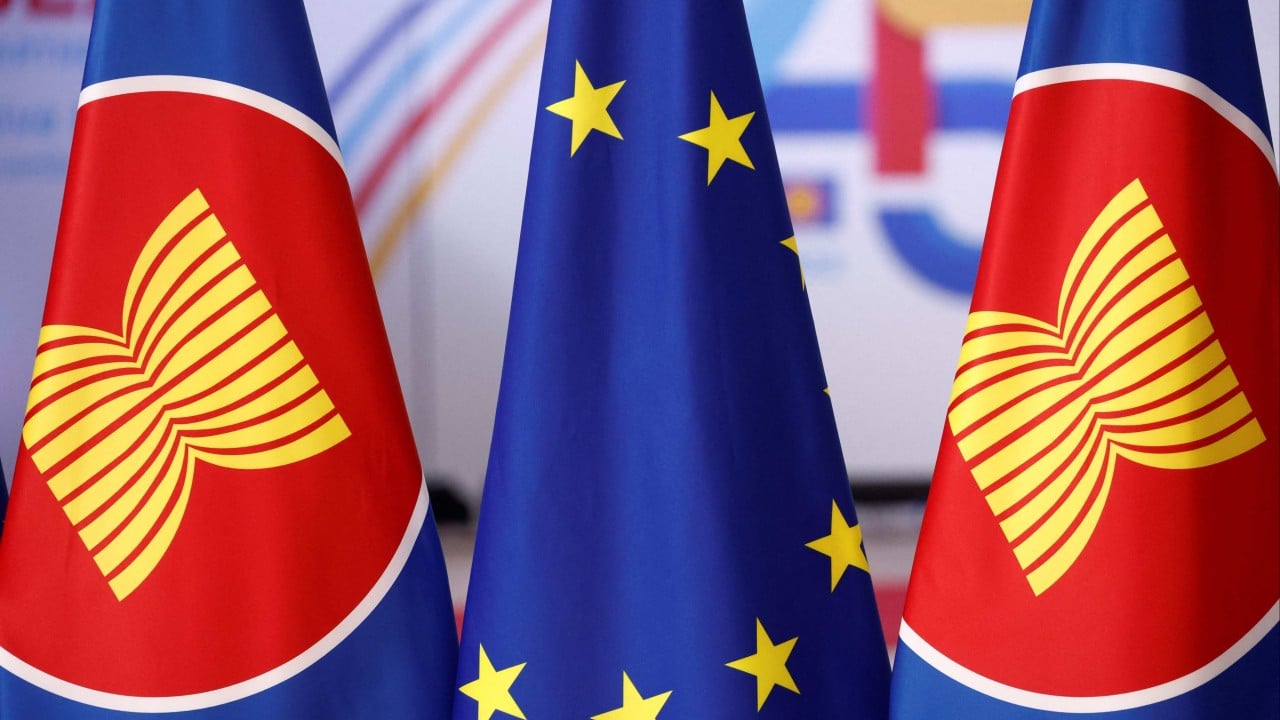
Singapore is pitching itself as a bridge between the European Union (EU) and Asean, as the two blocs continue their protracted discussions to seal a free trade agreement (FTA).
However, Myanmar’s political uncertainty is a major hurdle towards an EU-Asean FTA, and Singapore will have to play a key role to break the deadlock when it assumes the chairmanship of the Association of Southeast Asian Nations next year, according to an analyst.
At a joint press conference with German Chancellor Friedrich Merz last week, Prime Minister Lawrence Wong said Singapore would seek to advance cooperation on the long-awaited FTA.
“We recognise that it will be challenging. It is complex, but we can have some confidence in moving forward because [the] EU has also started to have bilateral FTAs with individual Asean countries.”
Negotiations for an Asean-EU FTA began in 2007 but were paused in 2009 before discussions resumed in 2017, with limited progress since.
The EU concluded separate FTAs with Singapore and Vietnam in 2019 and 2020, respectively, while Malaysia said this month that a similar agreement with the bloc would likely be finalised by June next year.
Thailand is reportedly aiming to conclude talks with the EU for an FTA by the end of this year, while Indonesia is also seeking such a trade pact with the bloc.
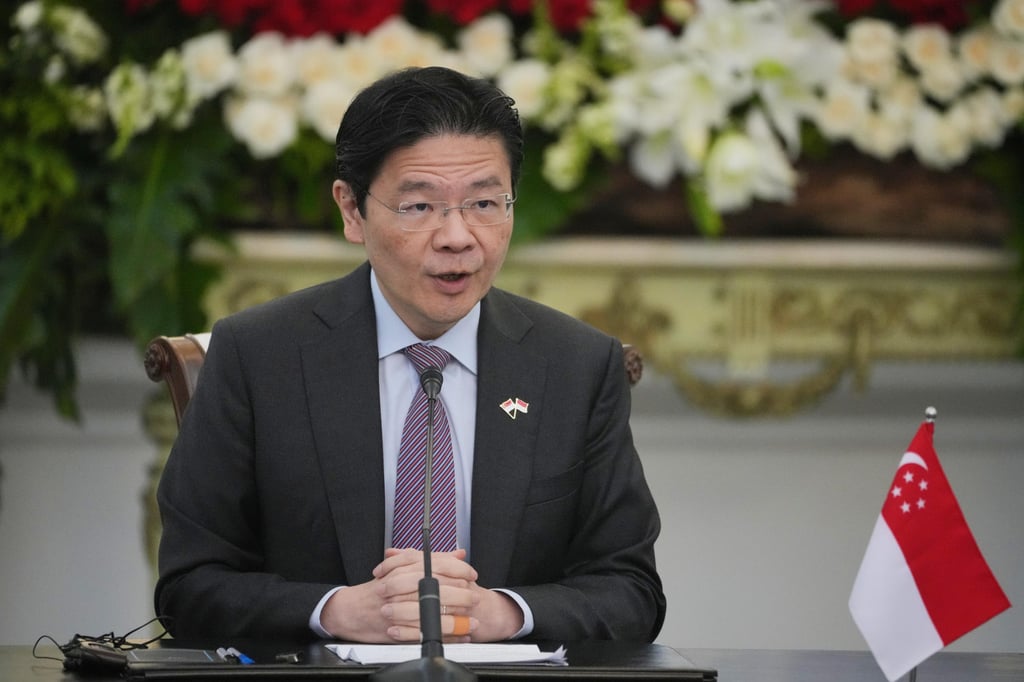
“We are also looking beyond trade to seeing how we can bring our two digital systems together,” Wong said, noting that the EU and Singapore already had a trade agreement with each other and that Asean had established a Digital Economy Framework Agreement (DEFA).
Targeted to be signed during the Asean summit in Manila in November, DEFA aims to improve compatibility between systems governing digital payments, data flows and online commerce across the region.
Rajiv Biswas, CEO of Asia-Pacific Economics, warned that Myanmar’s political situation posed a “significant hurdle” in the near term for Asean to seal an FTA with the EU.
The EU earlier this year extended its sanctions against Myanmar until at least May 2027, with measures including asset freezes and travel bans targeting the country’s senior leaders, officials, business executives and entities. The bloc also does not recognise what it calls the illegitimate results of Myanmar’s general election held between December 2025 and January, which was organised by the country’s military junta.
Nonetheless, Singapore could play a role as Asean chair next year to facilitate talks between the EU and Myanmar to narrow their differences, according to Biswas.
During the press conference on Tuesday, Wong also pitched the city state’s merits as an artificial intelligence hub.
“We are small. We are compact. We are highly connected as a society. We have [the] rule of law. We have clear protection for intellectual property,” he said.
“We see a lot of opportunities in sectors like healthcare, logistics, finance and advanced manufacturing where we can truly push the frontiers in terms of the deployment of actual AI solutions.”
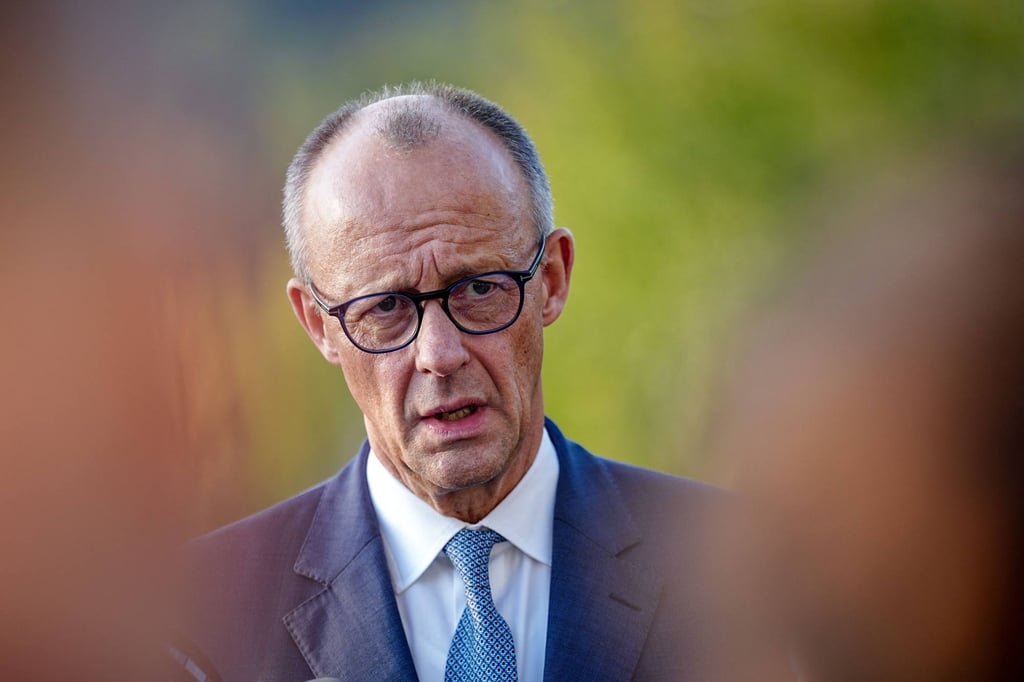
Merz, who was in Singapore for his first official visit since becoming chancellor, identified humanoid robots, cybersecurity and people-to-people ties as priorities for future bilateral cooperation.
Speaking separately at a lecture organised by the ISEAS – Yusof Ishak Institute on Tuesday, Merz said tapping the AI capabilities of Asian countries such as Singapore, South Korea and Japan would reduce Europe’s reliance on US companies for new technologies.
Artis Bertulis, the EU’s ambassador to Singapore, said at the European Innovation Night on Wednesday that Singapore could be the gateway for European tech companies to expand in the region.
“As a key partner of the European Union and a leading hub for innovation and investment in Southeast Asia, Singapore provides a fertile ground for European deep-tech companies to thrive,” Bertulis told a crowd of start-up owners, investors and policymakers.
Biswas said that Singapore could help advance towards an EU-Asean FTA by initially focusing on areas such as digital trade and investment protection.
The existing FTAs between the EU and several Asean members, as well as ongoing related negotiations, had provided a firm foundation for the two blocs to seal their trade pact, he added.
KioskNews shows a cleaned-up reading view extracted from the publisher’s page — the original always lives on their site, not ours.