Oil slips from five-month high with Hormuz transits in focus
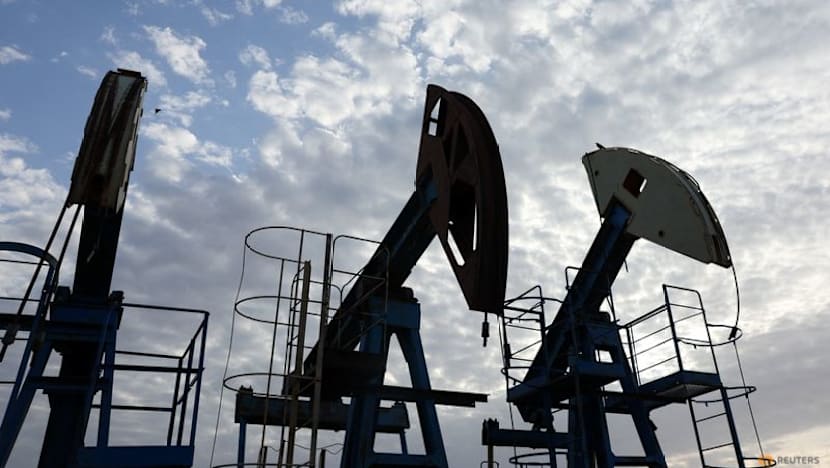
LONDON, Oct 19 : Oil prices slipped on Monday as investors booked profits from the multi-month highs hit at the end of last week, with the focus remaining on the potential for the conflicts in the Middle East and Ukraine to alter the global oil supply-demand balance.
Brent crude futures fell $1.34, or 1.22 per cent, to $108.52 a barrel by 1002 GMT, after settling at their highest since May 19 on Friday.
US West Texas Intermediate crude was at $101.28 a barrel, down a marginal 13 cents, or 0.13 per cent, after ending last week at its highest since September 17.
"Ongoing strikes on vessels crossing the Strait of Hormuz and flows remaining below pre-conflict levels continue to provide support," UBS analyst Giovanni Staunovo said.
An oil tanker caught fire and exploded after striking a naval mine in the southern part of the Strait of Hormuz on Sunday, Iran's Islamic Revolutionary Guard Corps said, according to Iranian media.
The increased attacks on commercial vessels cut Gulf crude flows to a seven-day average of about 8.5 million barrels per day last week from more than 20 million bpd the week before, analytics firm Kpler said in a note on Friday. At least 10 confirmed incidents involving commercial vessels were reported last week, Kpler added.
It is not a given that recent higher export volumes out of Hormuz will continue, as Iran will likely further escalate its attacks in the run up to the November 3 US midterm elections, SEB analyst Bjarne Schieldrop said.
Egypt said it is ready to provide Saudi Arabia with the support it needs to defend its security and stability against Yemen's Iran-allied Houthis, potentially raising the stakes in the Middle East war.
Meanwhile, US President Donald Trump on Friday signed an executive order waiving some sanctions and tariffs related to Russian exports.
The waiver comes after Trump struck a deal with Russian President Vladimir Putin to export diesel to the United States and other countries — starting at about 2.3 million barrels this month before rising to about 7.6 million barrels monthly.
Secretary of State Marco Rubio said the president will take up to 60 days to assess the impact of the sanctions and tariffs on the global economy.
"Trump's move looks like another desperate attempt to keep oil prices in check ahead of the US midterm elections," said Priyanka Sachdeva, head of market insight at Phillip Nova, adding that it does little to address the physical supply disruptions in the Strait of Hormuz, where oil tanker attacks continue.
KioskNews shows a cleaned-up reading view extracted from the publisher’s page — the original always lives on their site, not ours.