HEAT & STORM ALERT: Extreme weather threat to voter turnout for local elections
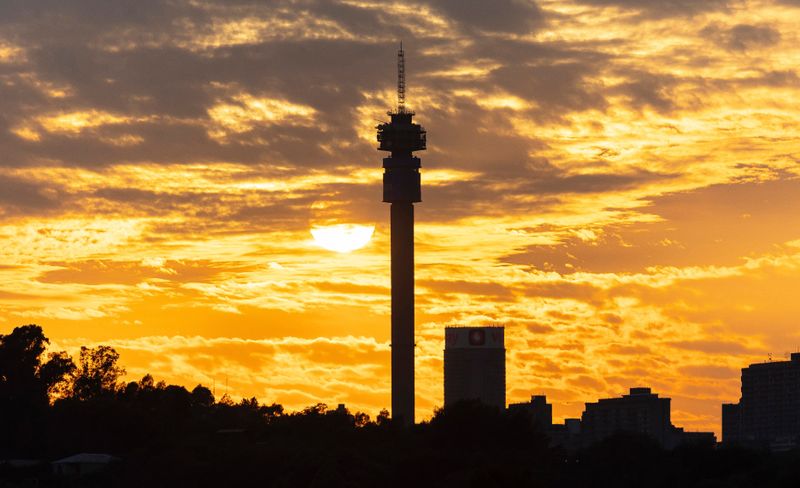
With polling stations for the 2026 local government elections primed to open, voters in several parts of the country should brace for sweltering heat and severe afternoon thunderstorms.
The conditions could affect overall voter participation.
Scorching heat
With temperatures expected to reach scorching levels, the South African Weather Service (SAWS) has cautioned voters to prepare for extreme heat.
According to SAWS meteorologist Tokelo Chiloane, the Western and Northern Cape will experience the highest temperatures.
“We’re having very hot to extremely hot temperatures,” Chiloane said. This means temperatures above 36°C in those parts of the country, Chiloane warned.
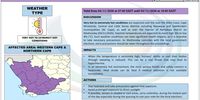
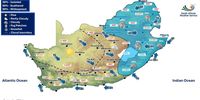
The heat will not be limited to the Cape. Highs in the mid-30s are expected across the central and northern interior of the country, including the Free State, North West, Gauteng and Limpopo.
“We’re still expecting temperatures reaching 36°C in … some parts of Limpopo – as well as in the Lowveld of Mpumalanga,” Chiloane said.
Severe thunderstorms
While the western half of the country bakes in the hot sun, the eastern half faces the risk of severe afternoon thunderstorms.
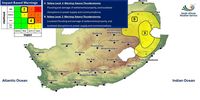
SAWS has issued Yellow Level 4 severe thunderstorm warnings for parts of Mpumalanga and north-western KwaZulu-Natal. Under the SAWS impact-based system, a Level 4 alert signifies a significant risk of damage: storms are expected to produce intense downpours capable of rapid localised flash flooding, damaging hail, excessive lightning and strong gusts downing power cables.
“Particularly in Gauteng, we are expecting a 30% chance of showers and thunderstorms,” Chiloane said. “But, even though we’re expecting 30%, we still expect the storms to be severe.”
Could weather affect voter turnout?
According to political analyst Oscar van Heerden, the weather will undoubtedly have an effect on voter turnout, with many withdrawing due to harsh weather conditions.
“Historically, that has always been an indicator,” he said. While political parties routinely urge supporters to cast their ballots early to avoid afternoon storms, he explains that the tactic rarely works. Many voters delay until crowds thin out, only to be deterred when afternoon thunderstorms roll in.
“I’m almost certain the majority of them will decide not to go to the voting stations,” he said.

The sentiment is echoed by political analyst Wayne Sussman, who points out that extreme conditions hit vulnerable communities the hardest. Recalling the 2016 elections in Nelson Mandela Bay, Sussman said torrential rains disproportionately suppressed turnout in impoverished areas.
“Middle-class voters were able to go out and vote because their voting stations are in solid institutions. They have their own transport. And people who are really poor and vulnerable were not able to vote. They’re more focused on clearing the water. They don’t want to go to a temporary voting station.”
Furthermore, Sussman highlights that weather acts as a test for political motivation.
“If your commitment to your party is very high, come hell or high water, you’ll show up and vote,” he says. “If you were thinking about voting, but now it’s extremely hot, or there’s a torrential downpour, and you’re not so serious about politics or elections, then you might sit it out.”
In an election where every ballot counts, whether the skies are clear or open up may ultimately decide how many of the millions of registered voters actually make the journey to the ballot box. DM
KioskNews shows a cleaned-up reading view extracted from the publisher’s page — the original always lives on their site, not ours.