Stanford, MIT lead US ranking of universities offering highest value to students
Universities with strong STEM programs lead a ranking of U.S. universities that prioritizes graduates' return on investment over traditional academic reputation to identify institutions offering the best overall value.
TIME magazine and data research firm Statista recently released their inaugural "America’s Best Colleges 2026-2027" ranking to highlight U.S. institutions that provide the best value for their students.
The results show that universities with historically strong science, technology, engineering and mathematics (STEM) programs and direct pipelines to lucrative technology sectors dominate the top of the list.
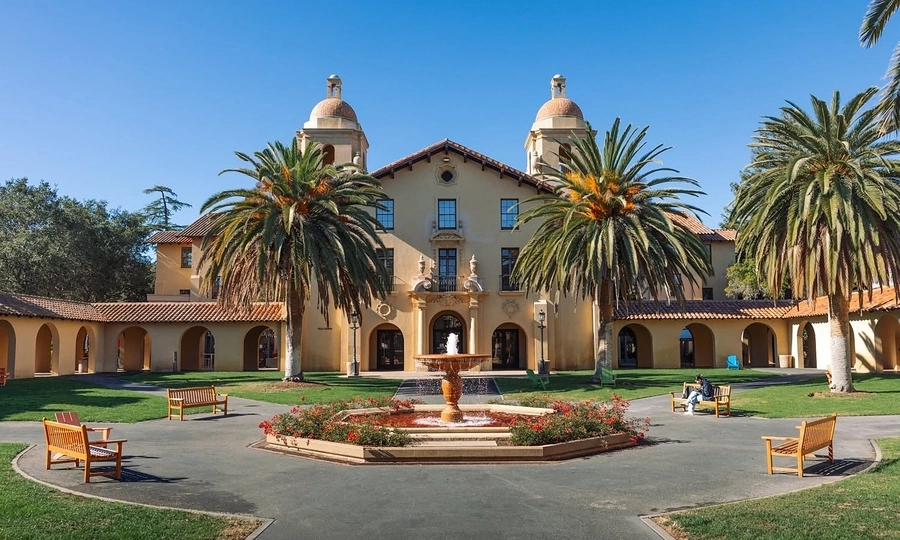
Stanford University secured first place, bolstered by its startup culture and deep connections to Silicon Valley.
The Massachusetts Institute of Technology followed in second place, described by TIME as a "patent powerhouse."
The ranking evaluates institutions across three pillars, with "student outcomes" carrying a dominant 75% weight. "Learning environment" accounts for 15% of the score, while "student desirability" makes up the remaining 10%.
To measure student outcomes, researchers assessed graduates' earnings, which evaluates whether an institution's graduates earn more than their intake would predict; graduation rate, which captures how effectively an institution carries its students through to degree completion; and return on education, which weighs the earnings students achieve against the cost of obtaining their degree.
Data for the assessment was compiled from the U.S. Department of Education, the U.S. Census Bureau and the National Center for Education Statistics.
The framework retains traditional higher education metrics such as institutional resources but places greater emphasis on post-graduation financial success.
20 American universities that provide the best value for their students
|
Rank |
University |
Tuition (USD/year) |
|
1 |
Stanford University |
$67,700 |
|
2 |
Massachusetts Institute of Technology (MIT) |
$64,300 |
|
3 |
Harvey Mudd College |
$76,900 |
|
4 |
Princeton University |
$68,100 |
|
5 |
University of Michigan-Ann Arbor |
$63,000-$75,000 |
|
6 |
California Institute of Technology (Caltech) |
$65,600 |
|
7 |
University of Pennsylvania |
$65,700 |
|
8 |
Columbia University |
$71,800 |
|
9 |
Claremont McKenna College |
$75,300 |
|
10 |
Harvard University |
$59,300 |
|
11 |
Yale University |
$69,900 |
|
12 |
Babson College |
$60,300 |
|
13 |
Cornell University |
$71,300 |
|
14 |
University of Virginia |
$57,400 |
|
15 |
University of California, Berkeley |
$54,900 |
|
16 |
University of Florida |
$34,600 |
|
17 |
Carnegie Mellon University |
$69,700 |
|
18 |
University of North Carolina |
$47,500 |
|
19 |
University of Notre Dame |
$69,300 |
|
20 |
Georgetown University |
$74,500 |
Harvey Mudd College placed third despite its small liberal arts profile of approximately 900 students. The institution exclusively offers STEM majors, making it highly attractive to Generation Z students seeking technical education.
Unlike larger research universities, Harvey Mudd pairs its rigorous technical curriculum with mandatory studies in the humanities, social sciences and arts.
John Friedman, a professor of economics and international and public affairs at Brown University, was quoted by TIME as saying: "We need to be more outcome-oriented, more career-oriented when we think about what we're recommending for students in higher ed."
"There are a lot of people who really do want to get career advancement, to get economic value out of the time and money they're spending in college, and we should help them do that," he said.
 |
|
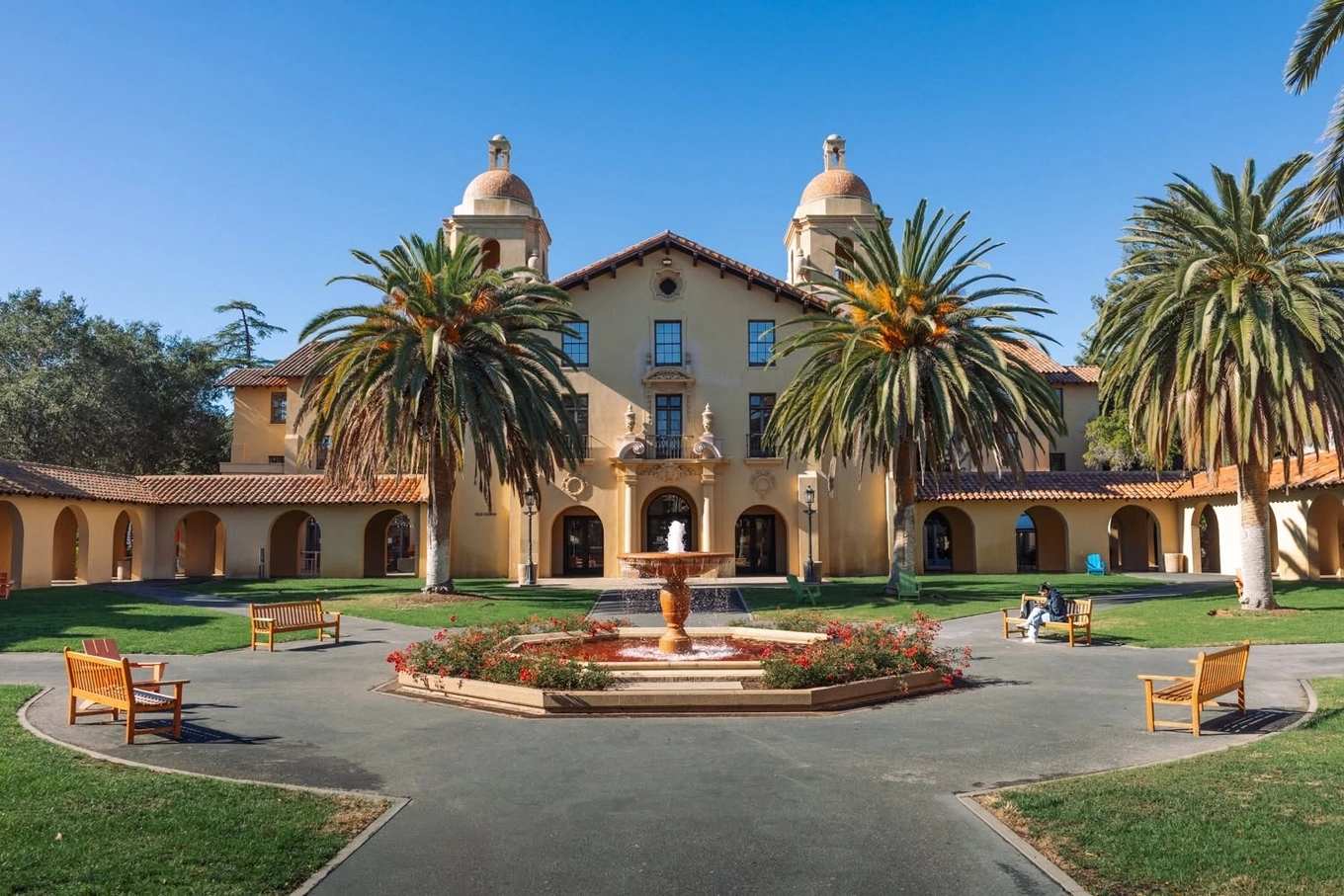
Stanford University campus in Stanford, California, November 2025. Photo from the university's Facebook page |
According to the ranking report, the search for education with a high return on investment has led many U.S. college students to pursue STEM careers.
It cited a 2026 report from the National Science Foundation: the STEM workforce grew by 26% between 2013 and 2023, compared with 9% growth in the non-STEM workforce. STEM jobs are also projected to continue growing faster than non-STEM jobs over the next decade or so.
From 2021 to 2023, the number of higher-education degrees awarded, particularly in science and engineering, reached record highs, while the U.S. was the most popular post-secondary STEM education destination for international students.
KioskNews shows a cleaned-up reading view extracted from the publisher’s page — the original always lives on their site, not ours.