Tombstone Made Val Kilmer's Doc Holliday Better By Changing A Real-Life Quote

Simon Gallagher has worked in movie and TV journalism for more than 17 years. He has written more than 6000 articles and reviews, and edited thousands more. He is an expert in the entertainment industry, particularly in the golden age of screen superheroes. Simon is also a Rotten Tomatoes approved critic.
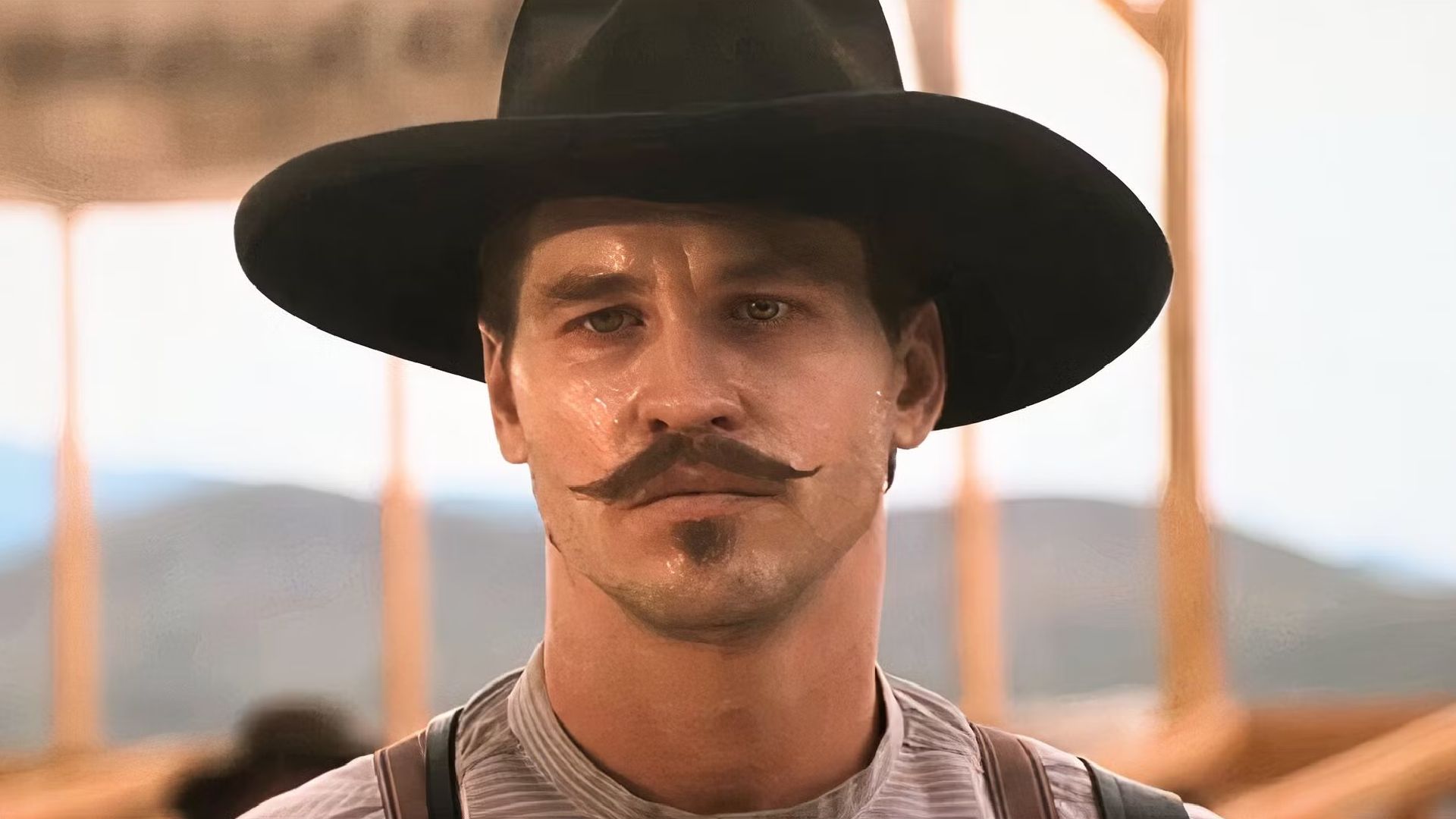
Decades after its release, Tombstone is still widely considered one of the most entertaining and certainly most rewatchable modern Westerns ever made. George P. Cosmatos’ 1993 ensemble piece is a well-paced, cocksure actioner with some incredible performances, and it’s aged ridiculously well.
Even after multiple rewatches, it’s impossible not to be completely enraptured by Kurt Russell’s stern retired rockstar Wyatt Earp or Michael Biehn’s despicable Johnny Ringo, but one performance stands above them all. It was Val Kilmer who offered a disarming masterclass in presence, just 5 years after he’d starred in Willow (a completely different prospect), and 2 after his powerhouse performance in The Doors. His tragic, fading Doc Holliday is a booze-soaked, utterly magnetic scene-stealer, whose devastating wit remains legendary.
Kilmer’s performance is very much reflective of Tombstone’s approach to balancing fidelity to history with entertainment. There was never any pretense that Tombstone was a documentary, and narrative liberties are taken about the true story of the gunfight at the O.K. Corral, but strictly in service of the story. Character arcs are streamlined, real-life figures like Ike Clanton are made more villainous than historical record suggests, but nothing is cheapened. The same is true of Kilmer’s Holliday
It’s obviously impossible to say that the performance is a perfect mirror of the real Doc Holliday, because he didn’t live in our culture of digital permanence, but Wyatt Earp’s assessment of his loyal friend stated he was a gentleman and a philosopher with a caustic wit. There can be no argument that Kilmer didn’t nail those parts, so there was always room for a little narrative riffing along the way. And in changing one of Holliday’s most iconic, real-life lines of dialogue during the climax of the gunfight at the O.K. Corral, the movie actually improved on real history.
Why Doc Holliday Says "You're A Daisy If You Do"

Eventually, Tombstone builds to its chaotic crescendo, the gunfight at the O.K. Corral, and it very much delivers on the promise. Even for an event Western fans will be more than casually familiar with, it’s a brilliant sequence that benefits from some excellent action directing.
has dissolved into total chaos in a matter of seconds. Smoke fills the narrow alley, horses are panicking, and bullets are flying indiscriminately. With the fight slipping away from the Cochise Cowboys, Frank McLaury (Robert John Burke) draws on Doc Holliday, believing he has the upper hand, and offering the fateful line, "I got you now, you son of a bitch!"
Instead of flinching or taking cover, Kilmer’s Holliday seemingly embraces his death, opening his arms and exposing himself to fire, with the immortal response, "You're a daisy if you do!" The connotations of daisy may feel very different to modern audiences, sounding almost like an insult to the macho Cowboy, but in nineteenth-century slang, “daisy” was a common idiom for something of unquestionable quality. Holliday is essentially taunting his already-wounded enemy, daring him to take the shot and prove his mettle, and thereby claim his legend as the man who killed Doc Holliday.
Doc is, of course, already dying, and there’s a perverse amusement to his teasing, because he has no mortal fear, and his line feels like a marriage both of confidence and of morbid apathy. And there's a genuine element of hope that someone - a "daisy" will be able to best him in combat and put him out of his misery.
Tombstone Changing Doc's Quote Made Val Kilmer's Line Way Better
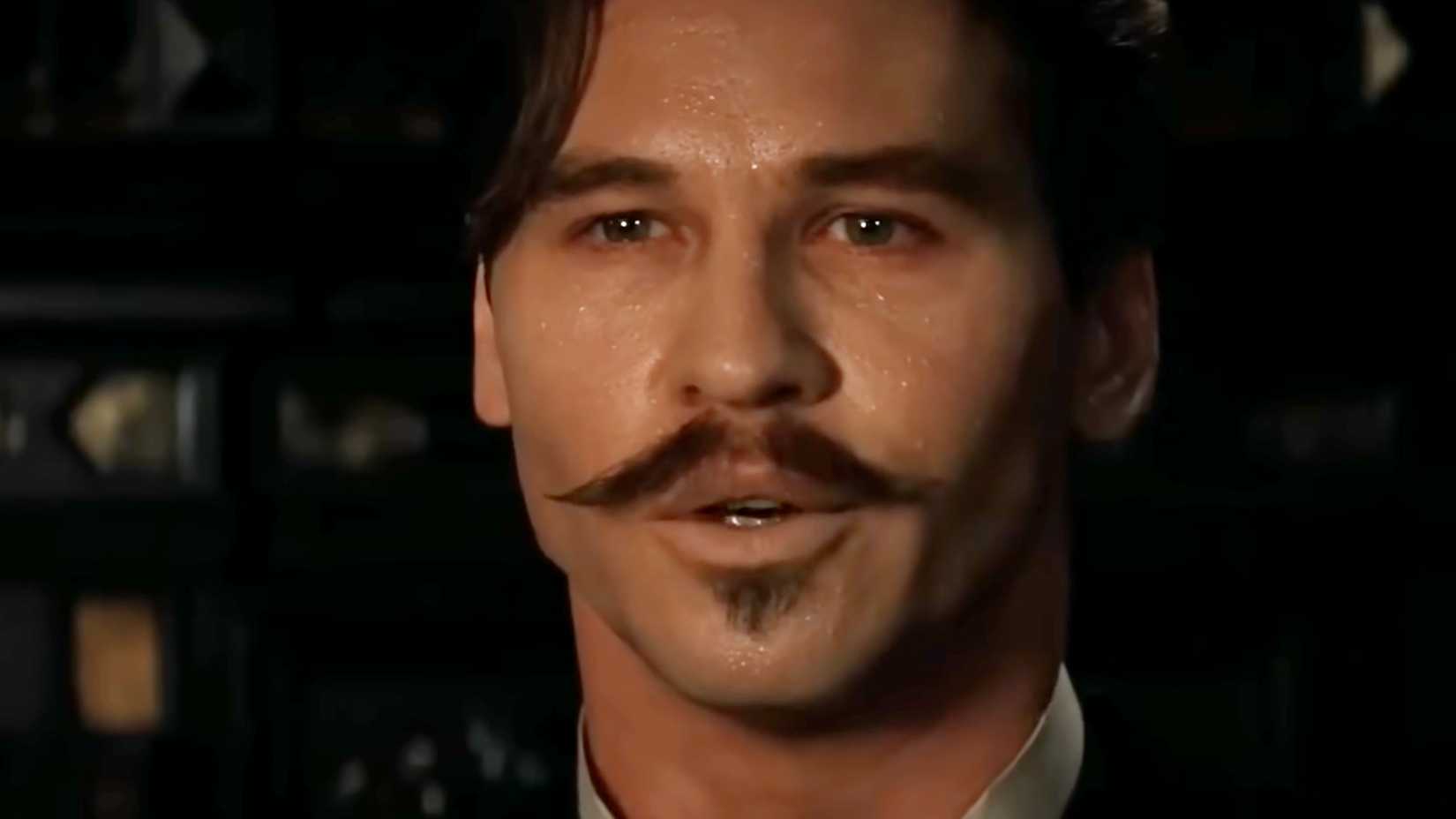
The iconic cinematic moment is all the more interesting because the real John Henry "Doc" Holliday actually said something different during the real gunfight on October 26, 1881. According to contemporary newspaper reports and witness testimonies from the subsequent hearing, Frank McLaury shouted, "I have got you now!" And Doc Holliday’s reply was recorded as: "Blaze away! You're a daisy if you have!"
Screenwriter Kevin Jarre shortened the phrase to the iconic "You're a daisy if you do" for the sake of clarity for modern audiences. It’s not only more grammatically correct because of the change to McLaury’s deadly promise, but it also simply sounds better. It also sounds more like Doc is welcoming the shooting - “do” sounds a lot less passive than “have” - and carries the deeper meaning that he actively wants someone to best him better. It’s subtle, but it’s important.
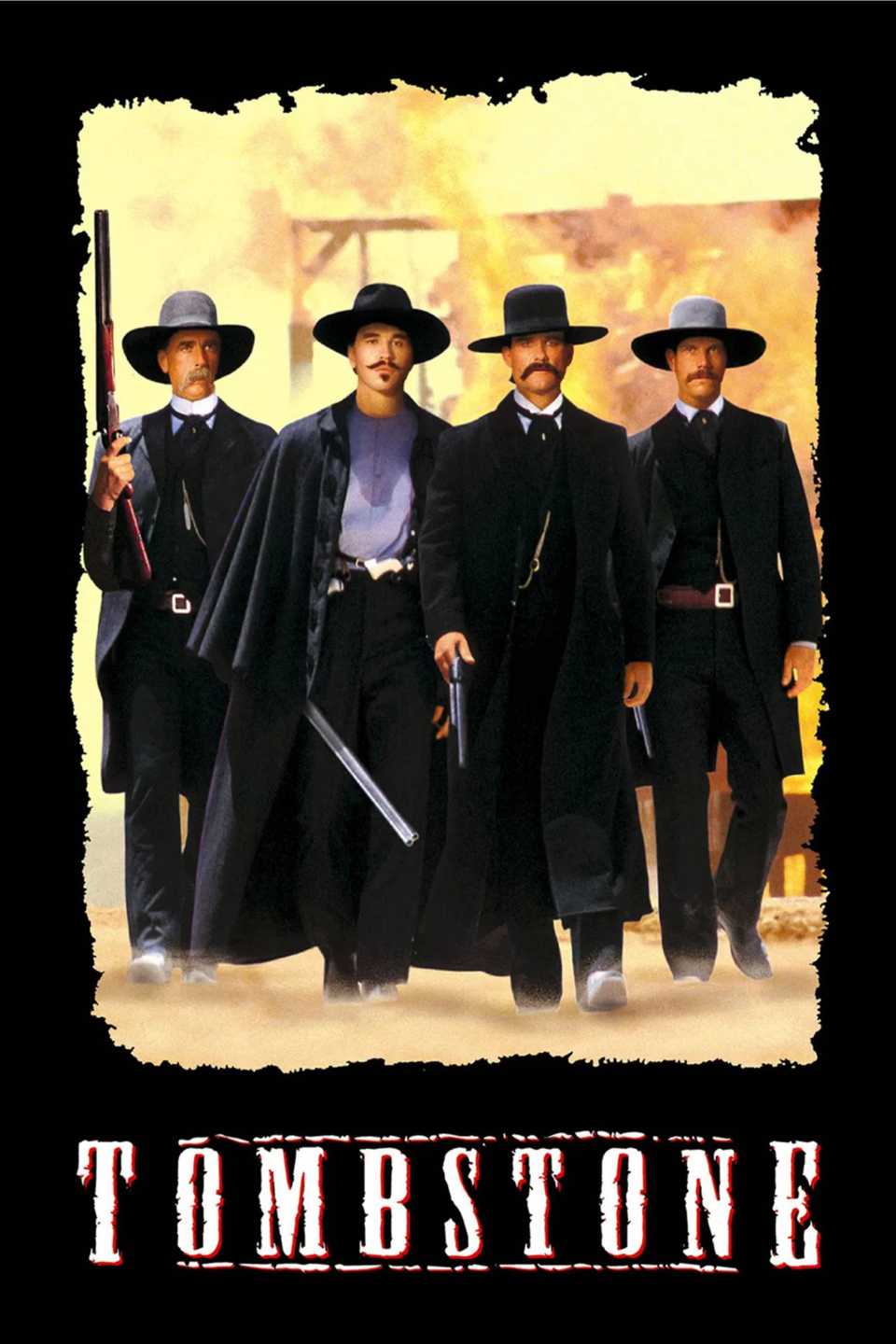
Tombstone

8/10
- Release Date
- December 25, 1993
- Runtime
- 130 minutes
- Director
- George P. Cosmatos
- Writers
- Kevin Jarre
KioskNews shows a cleaned-up reading view extracted from the publisher’s page — the original always lives on their site, not ours.