Art or box office? How Hong Kong plans to measure the value of a play, ballet or symphony
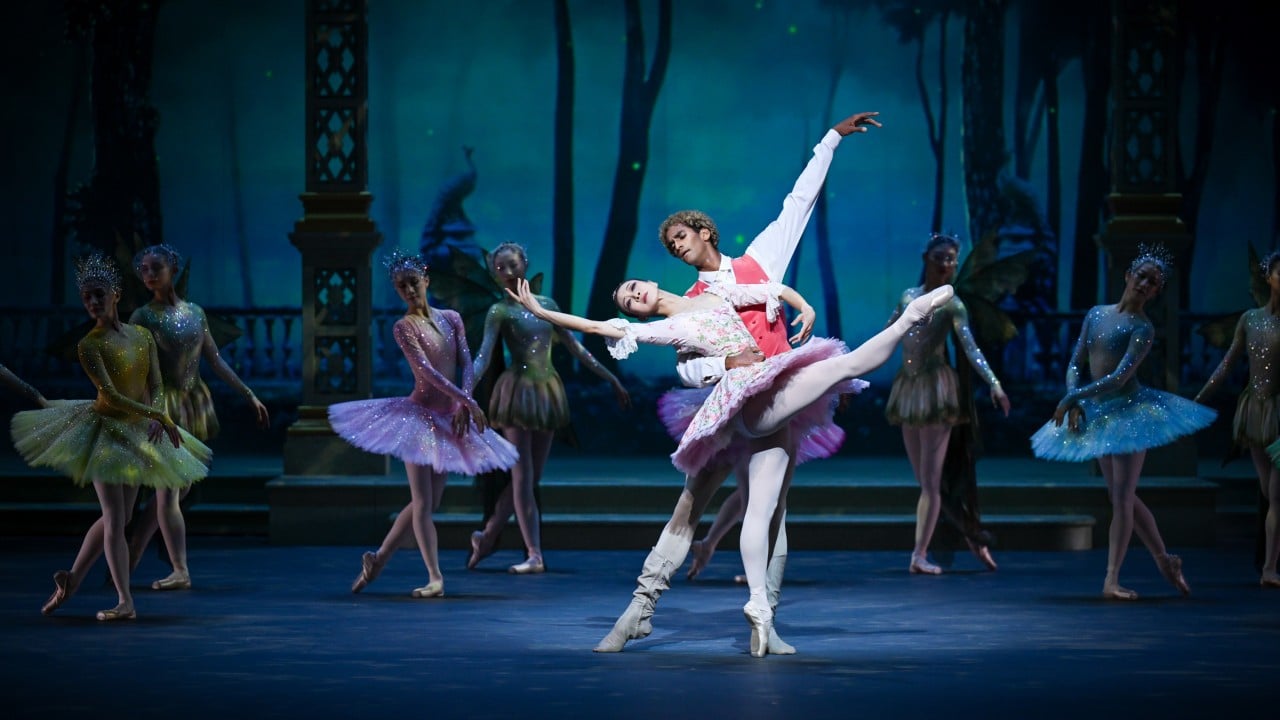
Established performing arts groups in Hong Kong should reduce their reliance on public subsidies to make room for emerging companies, industry experts have said, after the city leader announced in his latest policy address that the government would revamp its current funding model in favour of a non-permanent system based on merit and commercial returns.
But a few directors of the city’s nine designated major performing arts groups in music, dance and theatre said the economic downturn had made private funds harder to secure and urged the government to take a long-term view, noting that arts development goals could take years to achieve.
The new funding model will require policymakers to lay down targets for companies, prompting questions about how to assess merit in an industry where artistic quality does not always translate to commercial success.
The South China Morning Post spoke to performing arts groups, cultural critics and a lawmaker amid the debate over how to better spend public funds to develop Hong Kong’s performing arts sector and how to determine which groups are deserving of support.
KioskNews shows a cleaned-up reading view extracted from the publisher’s page — the original always lives on their site, not ours.