In 7k WB booths, all cleared voters face EC exclusion plea
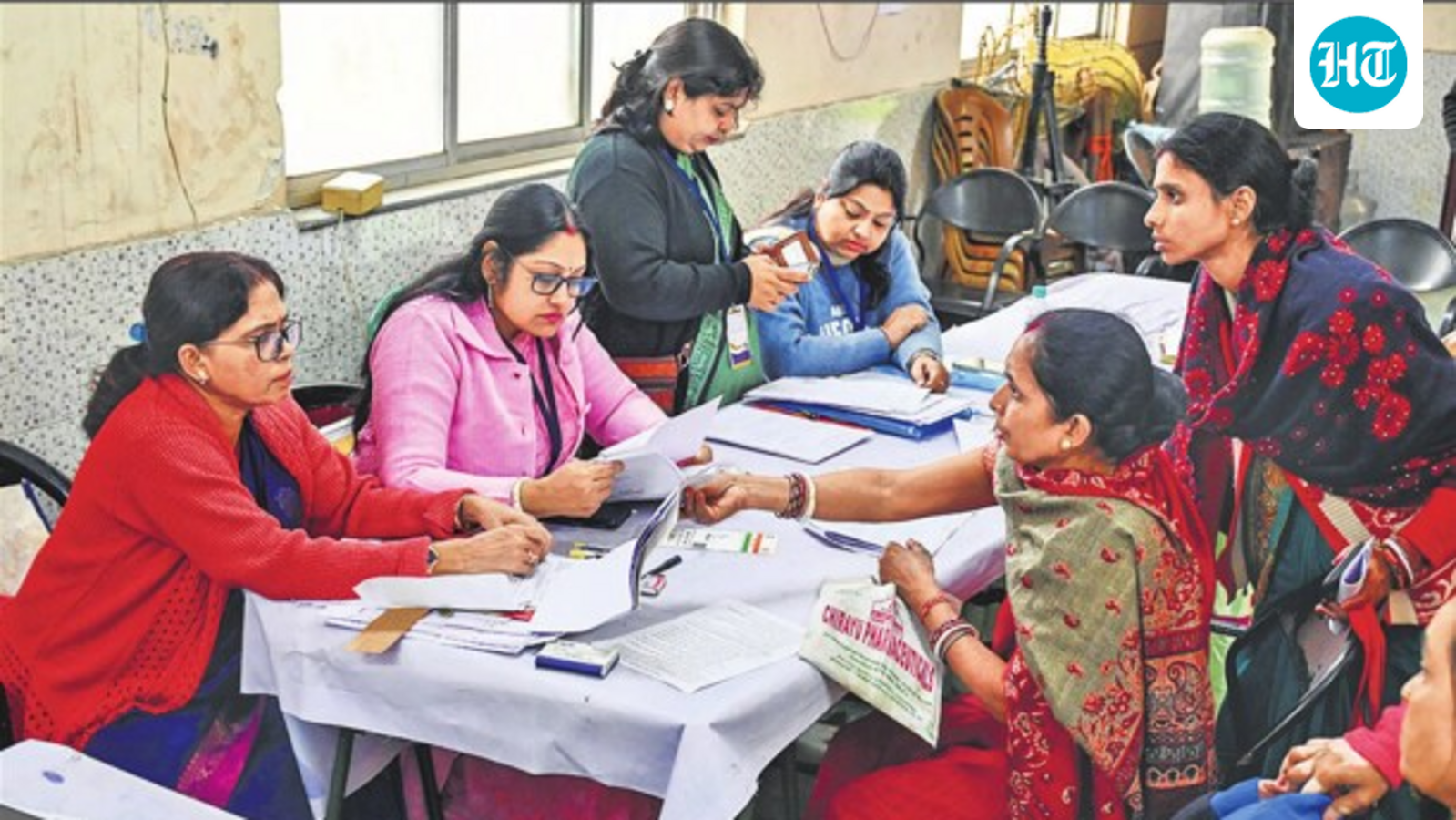
In 7,335 polling booths spread across 23 districts of West Bengal, every voter cleared by judicial officers during the controversial logical discrepancy phase of the special intensive revision (SIR) earlier this year is facing an appeal against their inclusion in the electoral roll, a new report has found.
These appeals – filed by the West Bengal Chief Electoral Officer’s (CEO) office, according to the Election Commission of India (ECI) affidavit before the Supreme Court – are part of the 1.6 million appeals filed in total against the inclusion of people before judicial tribunals in the eastern state.
ECI told the apex court last month that 3.8 million appeals are pending before the tribunals – 2.2 million filed by people excluded in the logical discrepancy category and 1.6 million filed by state poll authorities against the inclusion of people.
The analysis is part of a report on SIR appellate tribunals by the Civic Research Group (CRG), a research collective based in Kolkata.
ECI declined to comment. “These appeals were filed by [West Bengal] CEO officials who had the authority to do so as per the Supreme Court. It’s just a technicality. Only because an appeal was filed against them does not mean they were ineligible to vote. Their names appeared in the supplementary lists, which means they were eligible to vote in the assembly elections,” said a senior ECI official on the condition of anonymity.
These 7,335 booths held 27,277 voters who judicial officers cleared. Of these, 21,615 (79%) were pending and 5,662 were disposed of, according to the CRG analysis. It wasn’t clear how many of the disposed appeals were successful. All 294 assembly constituencies in the state had at least one such booth, the data showed.
Among districts, the largest proportion of appeals against inclusion came from Kalimpong (71.4%), followed by Purba Bardhaman (59.7%) and Darjeeling (59.3%), the report said. The lowest proportion came from Dakshin Dinajpur (39.3%), Cooch Behar (39.4%) and Nadia (39.5%), the report added.
The developments bring focus back to the controversial logical discrepancy process in West Bengal, the first state where it was implemented. The state had 76.6 million electors before SIR. When the draft roll was released on December 16, 2025, it dropped 5.8 million voters and the roll shrank to 70.8 million. But another six million people were flagged under logical discrepancy and faced the prospect of being struck off over name mismatches, typos, age gaps between parents and applicants, and number of children.
After weeks of conflict between the state and ECI, the Supreme Court intervened on February 20, 2026, and instructed judicial officers to hear cases of logical discrepancy. Over six weeks, 700 judicial officers cleared all cases. They approved 3.2 million cases and rejected 2.7 million people, who had to appeal before judicial tribunals. But the tribunals didn’t become functional on time and eventually 2.71 million people were disenfranchised.
There are 19 appellate tribunals that are hearing both deleted voters appealing against their exclusion, and CEO officials appealing against the inclusion of certain voters. The 1.6 million appeals filed by election officials represent roughly half of the 3.28 million people cleared by judicial officers.
Of these 1.6 million appeals by election officials, approximately 1.5 million are pending and 81,242 have been disposed of, according to data compiled by CRG from the tribunal’s appeal portal.
KioskNews shows a cleaned-up reading view extracted from the publisher’s page — the original always lives on their site, not ours.