Cloudy outlook? How haze crisis is testing Singapore’s events economy
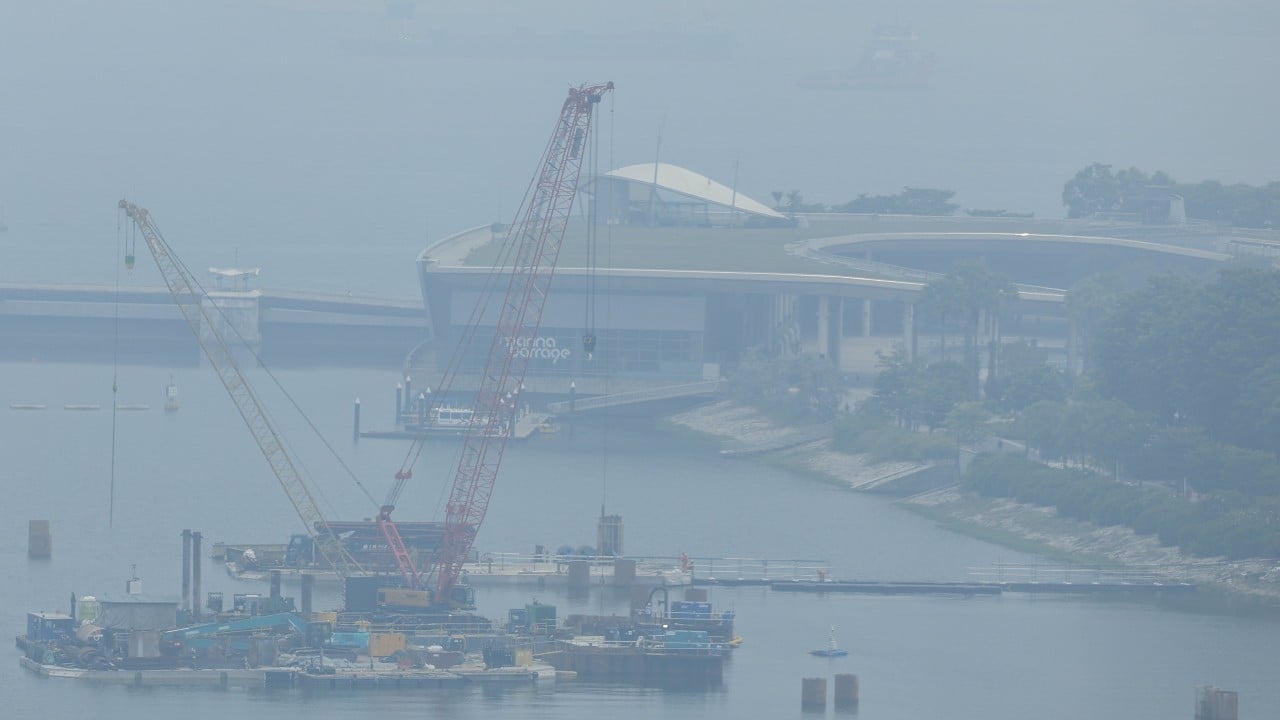
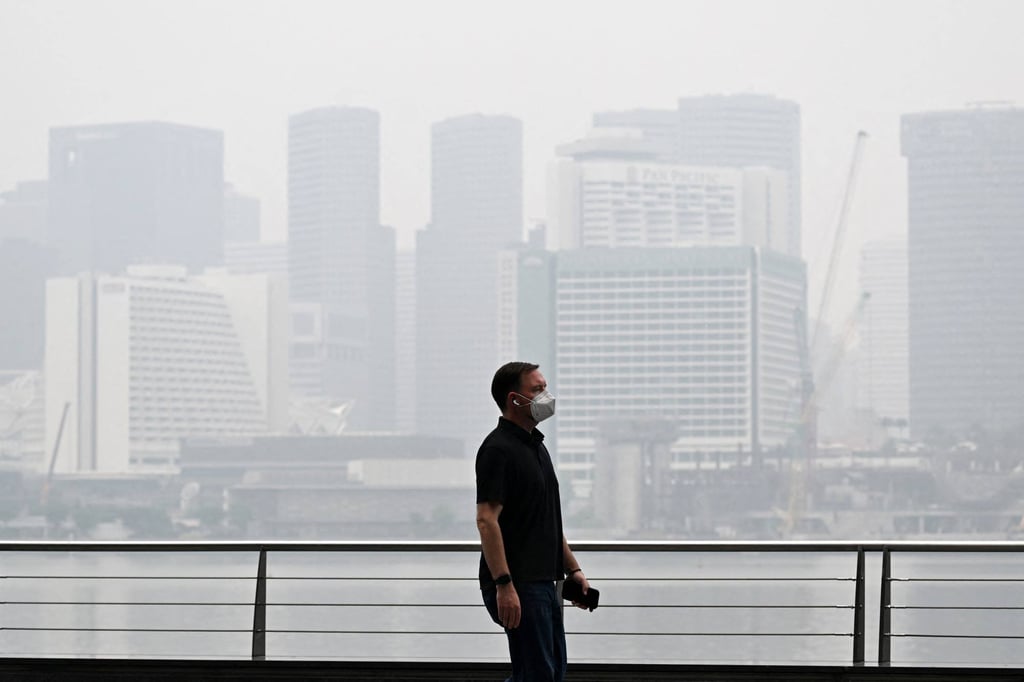
When Daniela Cruz arrived in Singapore last week, hazy skies obscured the picture-perfect sights she had seen on social media, offering a different view of the city state from the one she had expected.
The 27-year-old bank associate had travelled from Australia for the Formula One Singapore Grand Prix, but the smoky weather dampened her experience. “The buildings we saw on social media were covered in haze, and it made conditions extremely hot and humid,” she said.
The haze blanketing Singapore’s skies over the three-day event raised fears of disruption. On Thursday, a day before racing began, motorsport governing body FIA said the conditions could potentially restrict entertainment acts and outdoor activities.
This was not the first time the marquee event had faced uncertainty due to haze. In 2015 and 2019, organisers introduced precautionary measures, including health advisories and the sale of N95 masks, while both editions of the night race proceeded without major disruption, as did last weekend’s event.
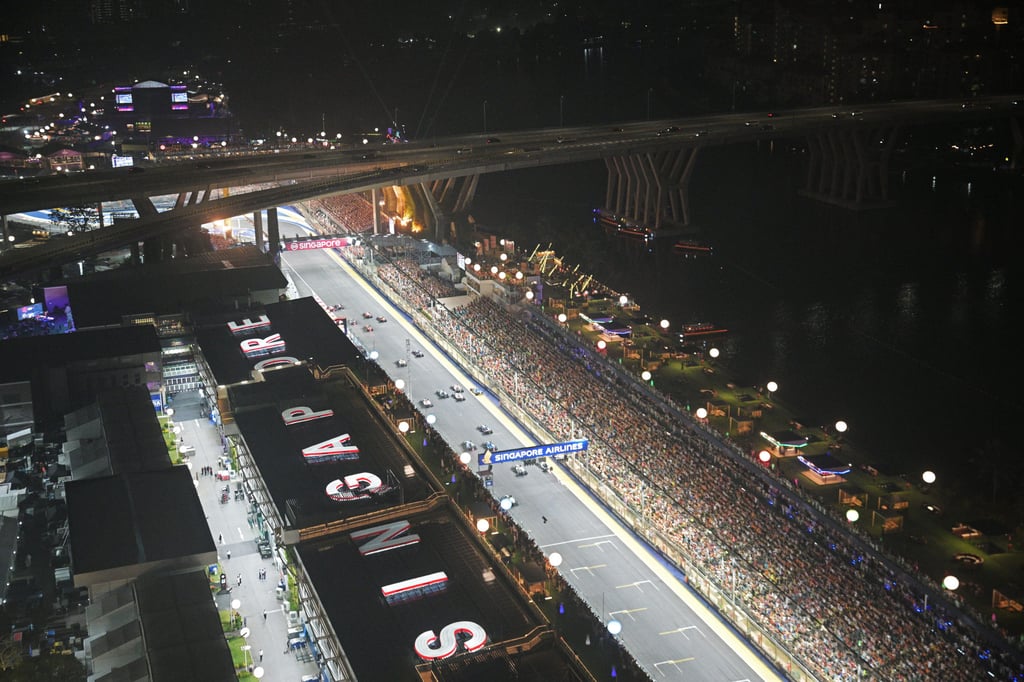
The poor weather did little to diminish the novelty of the night race, which drew a crowd of more than 300,000 this year.
But while Singapore managed to keep one of its flagship events running, the recurrence of haze could weaken the city state’s appeal as an international events hub, observers said. Smaller events have also faced cancellations as air quality deteriorated, with conditions showing little sign of improving.
The stakes are significant for a city that has invested heavily in attracting international visitors and major events.
From its debut in 2008 until 2024, the Singapore Grand Prix generated more than S$2.2 billion (US$1.72 billion) in incremental tourism receipts, with the figure for 2025 still being calculated, Trade and Industry Minister Gan Kim Yong said in February.
Singapore’s meetings, incentives, conferences and exhibitions (MICE) sector is another important contributor to its visitor economy, with tourism receipts from the segment reaching S$2.3 billion last year, a 35 per cent increase from S$1.7 billion in 2024.
Dedicated sports fans were unlikely to be deterred from future editions of the Singapore Grand Prix, one of the most distinctive events on the F1 calendar, said Guy Llewellyn, an assistant professor at EHL Hospitality Business School.
“A single hazy weekend is unlikely to outweigh its unique atmosphere, entertainment line-up, and broader appeal as a destination,” he added.
But first-time and leisure travellers who viewed the event as part of a wider holiday experience could be discouraged from revisiting the night race and Singapore, Llewellyn said.
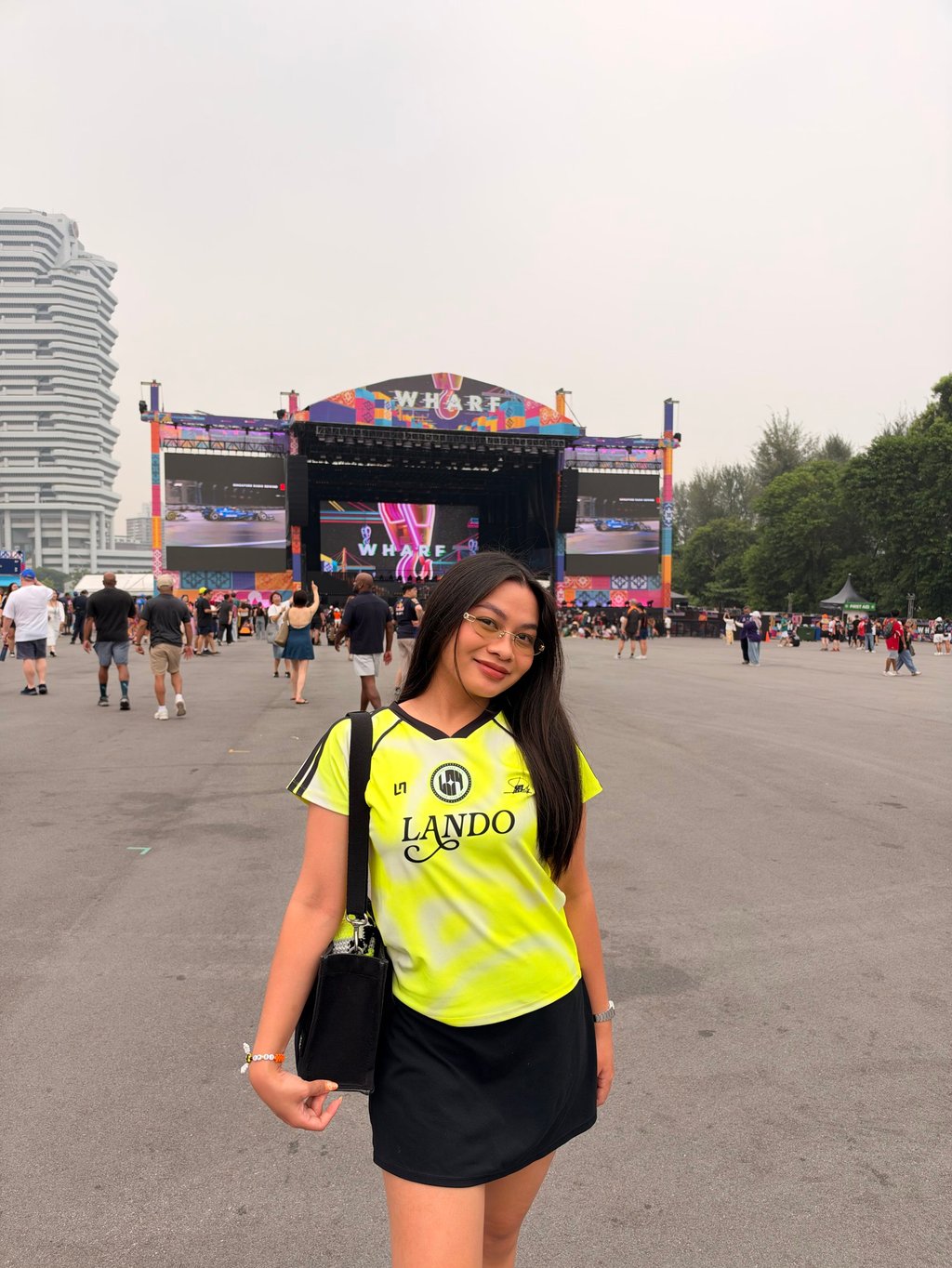
For Cruz, the smooth traffic flow and multitude of activities during the grand prix set a high bar for future races. But she gave the concerts, which featured American singer Lana Del Rey and Swedish pop star Zara Larsson, a miss to avoid having to walk long distances in the heat and haze.
“Regarding the haze, we can tolerate a level similar to the weekend’s, but a worse level would lead to us reconsidering visiting again.”
Foggy road ahead
In recent weeks, air quality in Singapore has deteriorated amid an increase in hotspots in neighbouring Indonesia and unfavourable weather, raising concerns over outdoor activities across the city state.
While the F1 race avoided disruption, some domestic events have been cancelled or suspended. The fate of coming activities remains uncertain as the government prepares contingency measures for worsening pollution.
Air quality in recent weeks has stayed primarily in the “unhealthy” range, with the Pollutant Standards Index (PSI) reading staying between 101 and 200. The city state recorded its highest reading this year of 192 on the opening day of the grand prix on Friday.
Singapore recorded its highest PM2.5 reading this year – which reflects the average concentration of fine particles in the air – on Wednesday, peaking at 288 in the western region.
As at 5pm on Wednesday, the PSI reading remained in the “unhealthy” range, rising to 175 in the west.
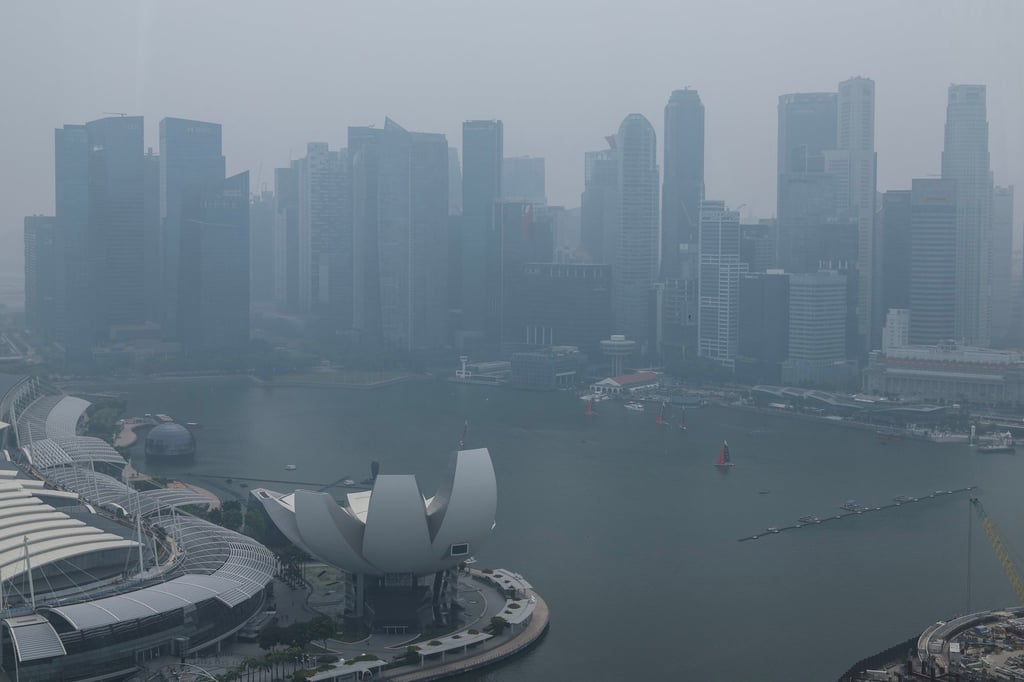
Some Singaporeans have chosen to stay indoors, with others donning masks outdoors.
Minister for Sustainability and the Environment Grace Fu on Saturday said the government had contingency plans in place across different air quality levels, and would distribute masks to eligible Singaporeans, such as the elderly or those in lower-income brackets, when the PSI exceeded 200 – deemed to be in the “very unhealthy” range.
Several public sports centres shut their doors on Wednesday, and the city state’s health promotion agency, which organises workout sessions and nature walks, has cancelled all outdoor activities since Saturday.
A number of running events have been suspended in recent weeks, including a ticketed 5km run at Sentosa on Sunday.
In 2015, thick haze led to the cancellation of the first night of finals at the FINA World Cup. PSI levels entered the “hazardous” range of above 300 that year.
Organisers with events slated for October told This Week in Asia they were prepared to suspend activities if the situation worsened and would heed advisories and regulations set out by authorities.
The National Environment Agency advises the public to avoid prolonged strenuous outdoor physical activities if air quality is in the “very unhealthy” range, while those with lung conditions are asked to refrain from being outdoors altogether.
Singapore’s sports agency advises organisers to consider suspending or modifying outdoor activities, and review the risks of conducting events in air-conditioned settings, when air quality levels enter the “very unhealthy” range.
Decisions on cancelling or modifying the Garmin Run Marathon Series on October 25, which 6,000 had signed up for, would be made a day before the race, a spokesperson said.
Garmin Run Club has cancelled multiple practices due to the haze in recent weeks and advised runners to adjust their training plans depending on the day’s haze levels.
Local club JRT Volleyball Academy cancelled training sessions on Saturday after forecasts showed air quality could deteriorate into the “very unhealthy” range.
Coaches were tasked with monitoring air quality and readings before and during sessions, said director Jerry Teo.
Observers urged event organisers to prioritise safety over commercial viability.
According to Llewellyn, destinations that adapt and manage health risks effectively are better placed to protect their reputation in the long run.
“Contingency planning can no longer be treated as an occasional disruption. It needs to become part of standard event management,” he said.
Zilmiyah Kamble, senior lecturer in hospitality and tourism management at James Cook University Singapore, said while the haze created “considerable uncertainty” for outdoor events, the city state was likely to remain an “attractive choice” as organisers were also assessing “the destination’s broader capacity to manage health, safety and operational disruption”.
KioskNews shows a cleaned-up reading view extracted from the publisher’s page — the original always lives on their site, not ours.