Xi-Trump summits must leave businesses with greater clarity, not less
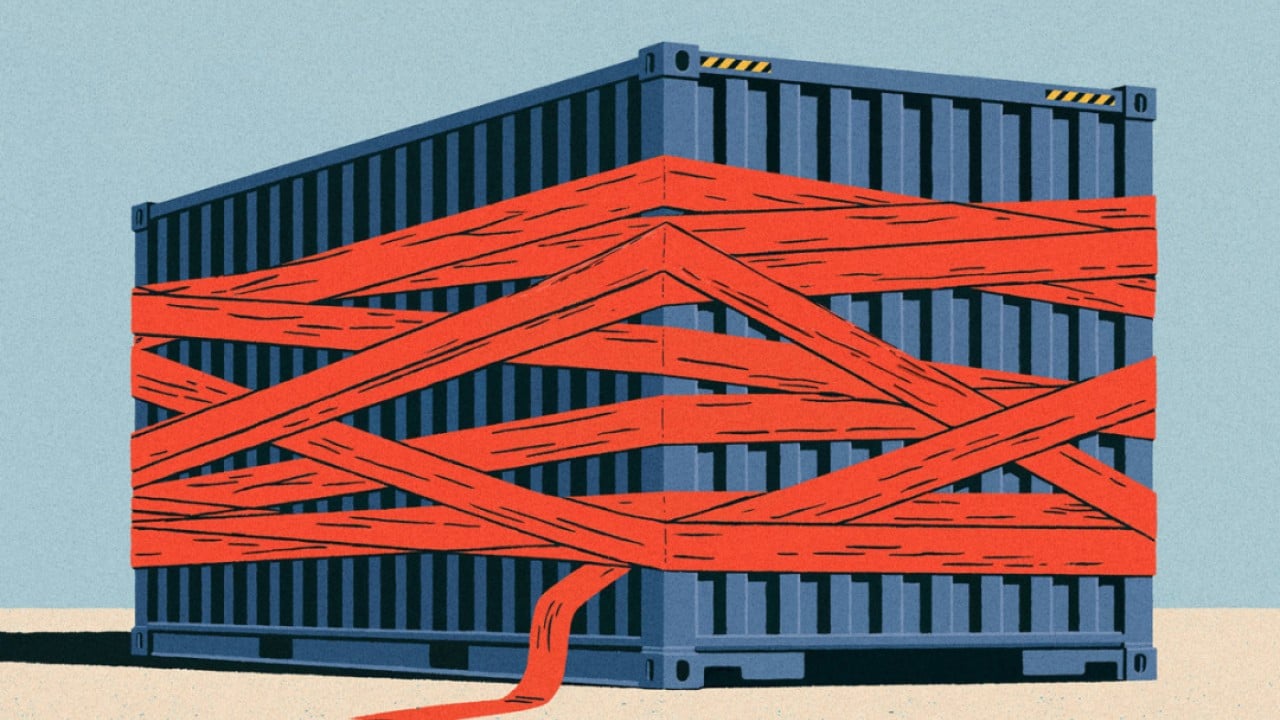
An aircraft supplier can have parts ready and a customer waiting yet be unable to ship while Washington holds up its licence. In Shanghai, Citi has approval to establish a securities business after years of waiting.
Companies must invest, sign contracts and move production while the two governments negotiate. A board needs to know what can proceed now, what remains conditional and what could stop the business after the money has been spent.
Chinese President Xi Jinping and US President Donald Trump met in Beijing and Washington this year. The summits of the Asia-Pacific Economic Cooperation (Apec) forum in Shenzhen in November and of the Group of 20 (G20) in Miami in December offer two further opportunities. Four meetings between the leaders of the world’s two largest economies create expectations. Work already begun gives those expectations substance.
At last October’s meeting in Busan on the Apec forum sidelines, the leaders bought time. They eased tariffs and suspended several measures for a year, including China’s new rare earth controls and reciprocal port fees. The immediate danger receded; the disputes did not.
In May this year, the two sides agreed to establish boards for trade and investment, giving officials channels to address commercial questions between summits. Through the trade board, the two sides agreed on a framework to lower tariffs on US$30 billion of non-sensitive goods in each direction, subject to domestic procedures. They extended the truce to January 10, but only by two months. Decisions since then show what businesses can act on and what the leaders still need to resolve.
02:58
US battery start-up launches China factory ahead of Trump-Xi summit in Washington
Washington is reportedly slowing down aircraft parts licensing and limiting the quantities approved for shipment to state-owned Commercial Aircraft Corporation of China (Comac) as it presses Beijing over rare earth restrictions. Washington wants supplies released. The supplier wants to fulfil an order. Holding up its licence puts pressure on Beijing while leaving the company unable to promise a delivery date.
Washington is reported to have suspended GE Aerospace’s engine shipments to Comac for about five weeks last year. Permission was restored as rare earth talks made progress. That precedent tells suppliers where a release might come from. It gives them no date they can promise their customers.
The uncertainty that troubles the company helps Washington negotiate. Leaders must decide where to keep using it and which business can proceed on dependable terms.
On October 16, Beijing proposed adding 40 technologies in artificial intelligence, biomedicine and solar power to its restricted or prohibited export catalogue. Consultation ends on November 15. Registration before export already applies to the technologies covered.
For a manufacturer planning an overseas factory, the question is whether its technology can go with it. Its foreign partner must know whether the expertise it is paying for will be available. The published list lets both check whether their plans involve technology Beijing proposes to restrict. They can investigate that risk before committing money.
Trump rejects working with China on AI despite Xi’s recent visit
On October 22, the US Treasury proposed expanding restrictions on American investment in sensitive technologies in China, including biotechnology. Comments close on December 7. Investors can examine whether a transaction would be covered and make their case. They can reconsider a deal before signing.
SCMP Plus is a new premium news platform that gives you an
all-inclusive edge to stay ahead on China news.
To access our exclusive content you’ll need to subscribe.
Already a subscriber?
LOG IN
Citi has received something firmer. On October 23, China approved the establishment of Citigroup Securities (China), its wholly owned securities company in Shanghai. Citi can plan the steps and spending needed to open. It still has to win customers and earn a return.
Europe shows what a longer agreement can offer. After recent talks in Beijing, EU trade commissioner Maros Sefcovic announced an understanding to moderate Chinese hybrid vehicle exports over four years. The European Union said this arrangement could more than halve projected imports of Chinese hybrids.
Manufacturers still need to know how access will be allocated and the arrangement implemented before turning sales estimates into production schedules.
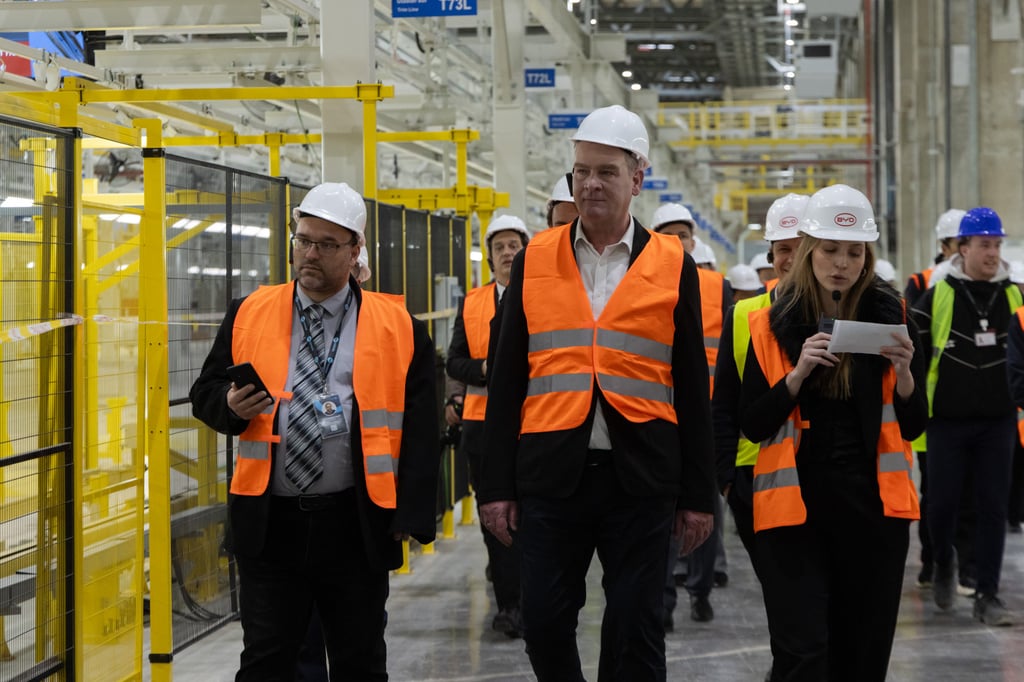
Alongside the import negotiations, expected European production requirements are influencing where companies build. A BYD adviser said last month that expected EU local content requirements added urgency to the Chinese carmaker’s scouting for a factory in Europe: an existing plant could start production sooner than one built from scratch.
A search lets BYD compare locations and costs. Buying a plant commits money that may be difficult to recover. Before proceeding, it must judge whether Chinese technology and components can reach the factory, and whether European production costs will leave a profit.
This is economic legibility in practice. Companies need to understand the permission to begin, the conditions for continuing and what could cause access to be withdrawn. They can then judge what to spend, what to postpone and whether they could keep supplying customers if permission changed.
02:05
Emboldened EU readies China company ‘kill switch’ as Beijing warns Brussels not to ‘fantasise’
The next test comes before the Shenzhen summit. China’s technology export restriction consultation closes on November 15, three days before Apec leaders gather.
Shenzhen should advance the work begun in Beijing and sustained in Washington. The trade and investment boards should give companies clearer answers about which transactions can proceed and on what conditions. Companies should know how decisions are reviewed and on what grounds permissions can be renewed or withdrawn.
Between Shenzhen and Miami, summit commitments should become licences, approvals and access that companies can use. By Miami, the leaders should be able to show what their year of engagement has made possible.
Companies will bear the consequences through factories built, contracts signed and jobs created or lost. Xi and Trump have two more opportunities this year to make the conditions governing those decisions clearer.
The rivalry will impose costs. Leaders should answer for the uncertainty they choose to preserve.
KioskNews shows a cleaned-up reading view extracted from the publisher’s page — the original always lives on their site, not ours.