AI voice scams mimic family and friends to steal money – this is how to spot deepfake calls
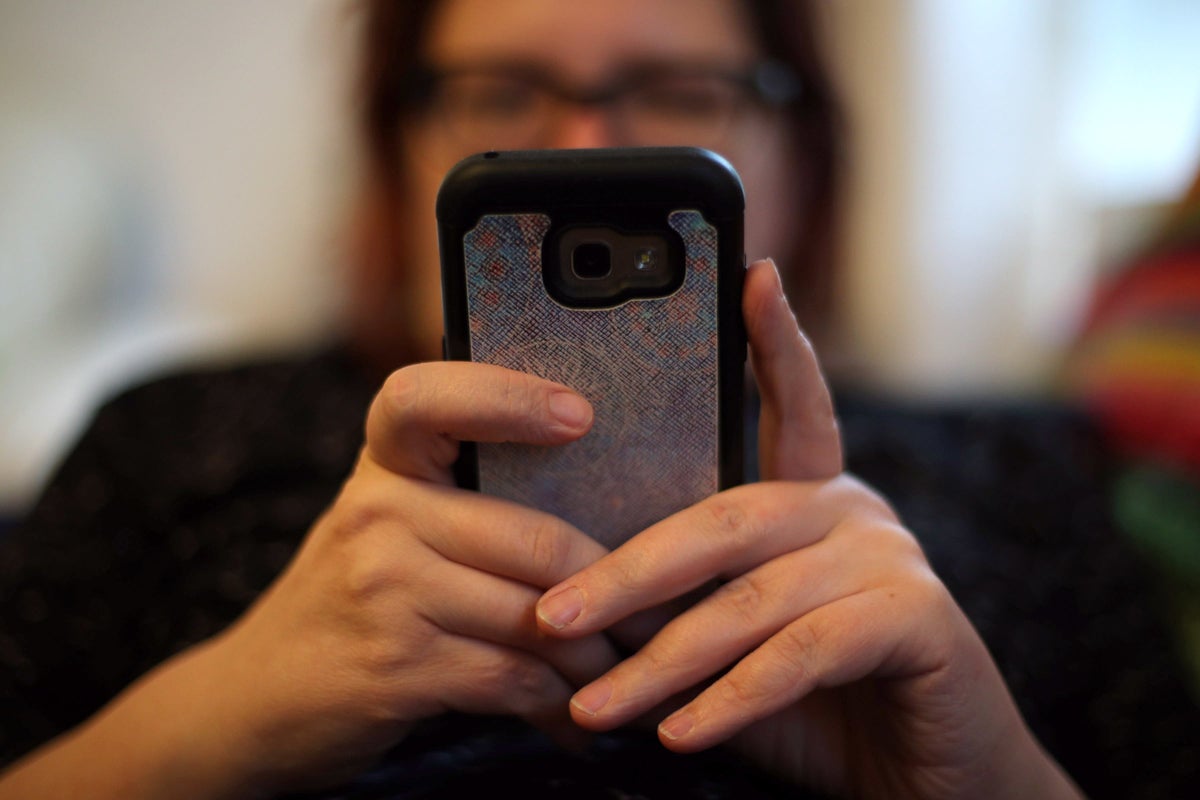
Criminals are using AI to mimic the voices and faces of scam victims’ family and friends to make them more susceptible to handing over money.
Technological advances in AI deepfake calls, messages and videos are making it harder to trust a familiar voice, recognisable face or even a number that appears on caller ID.
Fraud cases where criminals use AI to manipulate people and steal money have surged, with almost £1.3bn being stolen by scammers in 2025, according to a report by UK Finance earlier this year.
But Aaron Painter, founder and CEO of identity-verification company Nametag and author of the new book Deepfaked: Restoring Trust in the AI Era, explained we don’t need to become suspicious of everything we see and hear, but we do need some new rules for deciding who and what to trust.
“These scams can fool very smart, careful people,” Mr Painter told The Independent, explaining that his own grandmother almost fell victim to a phone scam.
Scammers used AI to mimic his voice and call his grandmother, claiming he was in trouble and needed her to send over money immediately. They had enough of his personal information to sound convincing, but explained one small detail that saved her — the caller referred to his grandfather with a nickname he didn’t use.
“She was still shaken for weeks. But the lesson for me was the clue was never in the pixels; it was in what only the real person would know,” he said.
What are the warning signs it’s a scam?
It’s becoming increasingly hard to spot a scam call by looking or listening, as fraudsters mimic voices and faces, meaning they can look like the person you know as much as they sound like them.
“My advice for folks is to stop trying to spot a deepfake and to instead focus on verifying the person,” Mr Painter said.
Red flags to watch out for include a caller asking for something with urgency, asking the victim to be secretive and asking for money, bank transfers, gift cards, passwords or one-time codes.
“The red flags to me are behavioural, not visual or auditory. So visual glitches like the odd blinking eye or the lip sync or things like that were useful two years ago, but now the technology has gotten so good they're unreliable,” Mr Painter said.
A new number or account is also a warning sign. He explained scammers will often use an emotional hook, such as someone has lost their phone and they are in trouble, a boss has a confidential deal, or a celebrity is endorsing a product.
.jpg)
How can you verify the caller?
A practical step a consumer being called by a business or bank can take is to hang up and call back on the number you already have – never one someone gives you.
For example, if someone pretending to be the bank calls, redial the number on the back of your card.
But to verify family members, Mr Painter suggests having a family safe word or a shared memory question about something that hasn’t been posted online.
If a family member or friend is calling on a different number, hanging up and calling them back on the number you have saved is also a way of checking.
“It’s not foolproof, but it’s a really good practical start,” he added.
What steps should you take?
If you are on a call and you suspect it’s a scam, “stop engaging, send no money, no codes, no details,” Mr Painter said.
If it’s a financial scam, report it to the bank and submit a report through the Report Fraud Service. Mr Painter also suggests warning the person who was impersonated so they can alert others.
KioskNews shows a cleaned-up reading view extracted from the publisher’s page — the original always lives on their site, not ours.