Touring can take musicians to isolating, anxious extremes. Access to therapy on the road is a vital support
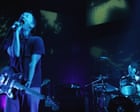
When Radiohead started touring, it was hugely exciting, but we got signed when we had been going for five or six years and had only really played in Oxford. Suddenly you’re entering a new world: the first flush of fame, being compared to everyone else, the furnace-like experience when a band takes off and a whole new routine of late nights, bad food and everything else that goes on around live music. Everything is heightened and it can be very isolating.
In 1992 we were playing small venues in a van and then suddenly in 1993 we were spending the second half of the year in the US. On our second long tour that year, everything caught up with me. I kind of withdrew into myself. Something about being in the US made me feel “impostor syndrome”. I really did feel a very long way from home. All that anxiety has to come out somewhere – for some it’s drink and drugs – but for me it came out in my playing. There was one particular show where we were opening for Tears for Fears and another band who had [Blondie’s] Clem Burke on drums. Clem was my absolute drummer hero but I just hit peak overwhelm, and my drumming went off a cliff. Every limb seemed to be going at its own speed. The kick drum became like trying to open a heavy door.
By the end of the tour it was very noticeable. I was lucky in that I could speak to my wife – this was pre-Zoom or FaceTime, so meant very expensive phone calls! – but after that tour one of our managers asked me to go and have a chat and broached it with me very nicely. Having that space to begin talking about it was absolutely invaluable. Similarly, when we opened for James and then REM, they became kind of mentors: seeing how other people navigate it all was fascinating.
On Radiohead’s tour last autumn, with the help of the Music Industry Therapist Collective, we were able to put an initiative in place to support the health and well-being of all tour personnel. The MITC provided introductory sessions during rehearsals and production build, and confidential drop-in therapy sessions were available to anyone in the touring party during the tour if they wanted them. But until now there’s been nothing like that available for bands playing venues like the ones we did when we started.
At that level, your margins are nonexistent, your workload is much greater – loading the gear and so on – and you’re driving yourself between shows. You’re expected to get your head down and get on with it, but it can mean times when you’re not necessarily looking after yourself physically and you can feel very isolated. There’s an emotional and geographical displacement in moving from place to place and living on top of each other. There’s the sound check, the gig, meeting people afterwards, anxiety that some people guiding you may not have your best interests at heart. You can feel really vulnerable, and there’s no way of getting off that roundabout until you get home. It’s difficult to talk about because nobody wants to rock the boat, and other people might be going through the same thing, so you don’t want to burden them.
That’s why I’m supporting a new project called the Pay It Forward Fund, which has been set up by Tamsin Embleton and the Music Industry Therapist Collective to provide much-needed mental health support for musicians and crews on smaller tours, having grown out of the kind of help MITC already provides to larger tours. If someone is looking to reach out to a therapist, it can be really good to talk to someone who has lived experience in the music industry, so this project will mean people have someone to talk to who understands what they’re going through. I’ve volunteered for the Samaritans since I was a student and know how important it is to talk.
I’d have really appreciated something like the Pay It Forward Fund back in Radiohead’s early days, so that’s the kind of space I hope it can provide. Initially £272,000 is being provided to finance 150 tour teams of practitioners over a three-year period, an occupational health, mental health education and pastoral care programme for crews and artists on smaller tours. Hopefully after that it will become an everyday part of touring and make the sort of difference it would have done for me. You might be on the other side of the world, but you can reach out and talk to somebody face to face.
Applications for the Pay It Forward Fund are now open. MITC’s book Touring And Mental Health: the Music Industry Manual, edited by Tamsin Embleton, is published by Omnibus
KioskNews shows a cleaned-up reading view extracted from the publisher’s page — the original always lives on their site, not ours.