Healey insists he will bring welfare bill down despite delaying decisions
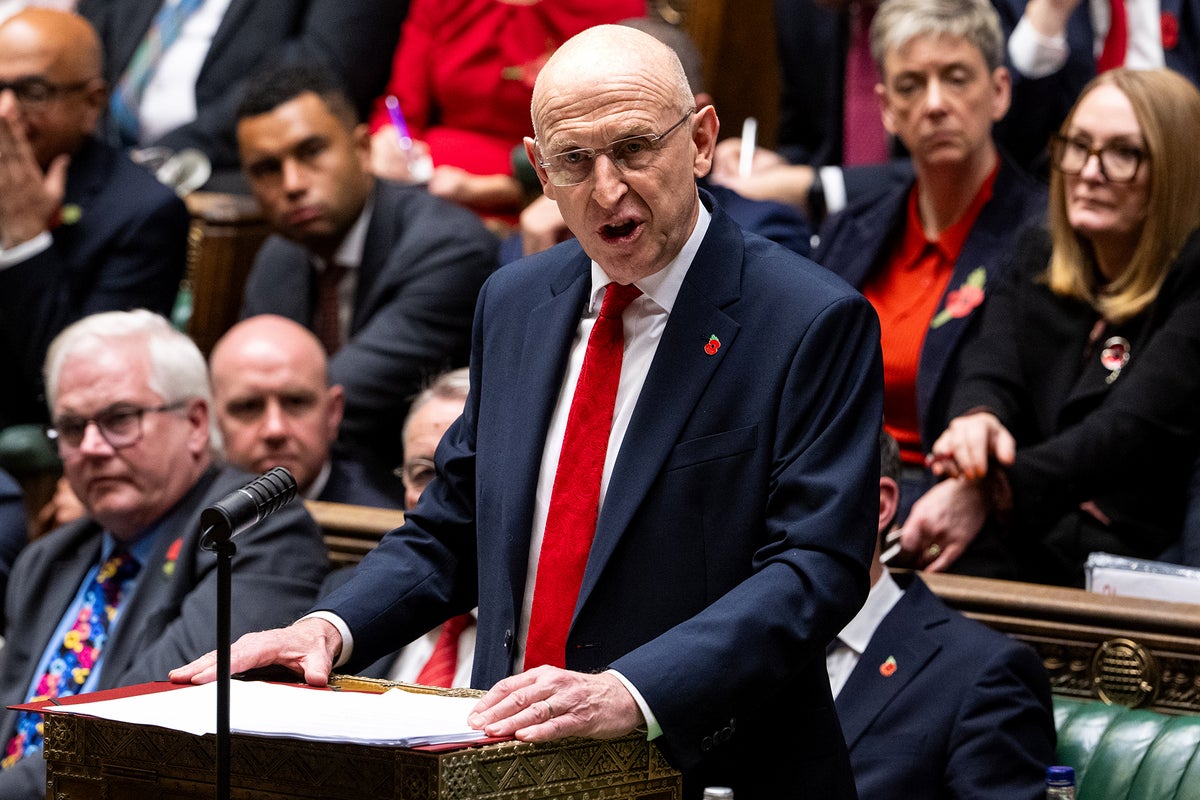
John Healey has insisted that the government will bring the ballooning welfare bill down, despite appearing to delay tough decisions on the issue at the Budget.
The chancellor’s Budget has faced criticism for not dealing with the ballooning cost of welfare, including from Tory leader Kemi Badenoch, who said the country is “drowning in an out-of-control welfare system”.
Meanwhile, the influential Institute for Fiscal Studies think tank warned the Budget delayed tough decisions.
It came as the Office for Budget Responsibility (OBR) predicted that the total cost of health-related benefits will exceed £100bn by the end of the decade, with three quarters of the payments forecast to be paid to working-age adults.
But speaking to GB News, Mr Healey said ministers have already brought in a range of measures to cut the cost.
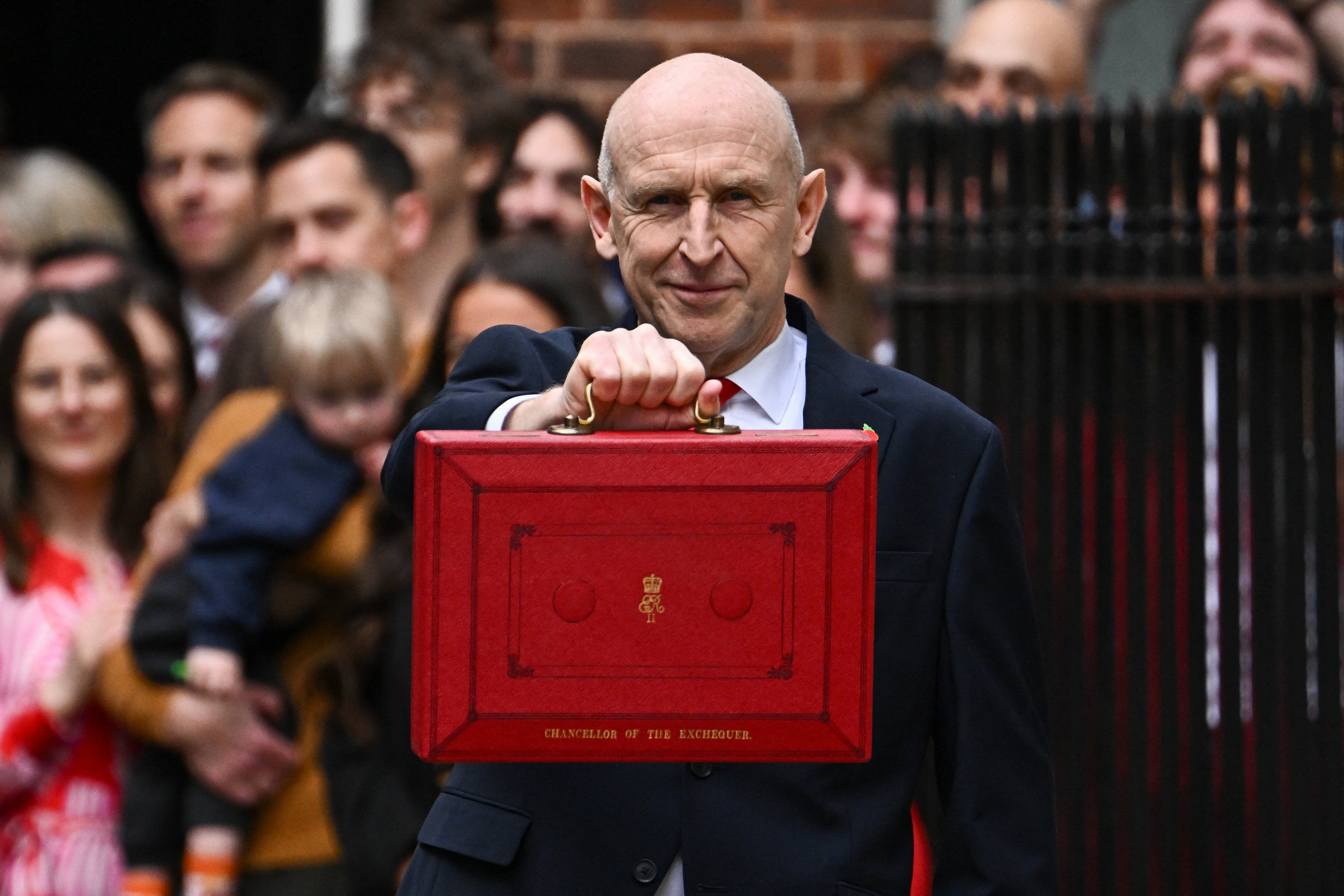
He told the broadcaster: “This was a broken system. And two years ago we started putting back in place face-to-face assessments. We’ve changed terms of universal credit, so people don’t have to brand themselves as too sick to work.
“So, those are changes we’re making now. But in the long run, as I’ve argued, and the prime minister has said, too, we have to bring the cost of benefits down.
“We will, but we have to do that, especially for our young people, in a way that gives them a chance to make something of themselves. And when we’ve got a million youngsters that aren’t working and aren’t in education or training, that’s a moral duty to do this, and we will.”
But the chancellor told BBC Radio 4’s Today programme that “crude cuts” to the welfare system would be a bad idea when “people are feeling the cost-of-living pressures”.
However, Mr Healey vowed there would be a “reduction in the benefits bill” before the next General Election, telling the programme: “There will be a reduction in the benefits bill, we’ll do that in a Labour way and we’ll do that because it is simply not good for Britain or progressive to have a bigger and bigger benefits bill.”
He also warned that the government “can never remove completely the cost-of-living pressures that people feel”.
“We can help where we can and that’s what I’m doing with creating a bit of breathing space for these households”, he said.
Delivering his Budget on Wednesday, Mr Healey delayed major changes to welfare until 2027, arguing the government would wait for the outcome of Alan Milburn’s review into the youth unemployment crisis, which is due to be published next month.
The OBR forecast that the total cost of health-related benefits, which includes sickness benefits and personal independence payments (Pip), will reach £105bn by the 2028-29 financial year.
KioskNews shows a cleaned-up reading view extracted from the publisher’s page — the original always lives on their site, not ours.