19 Years Later, 'The Sopranos' Most Powerful Line Is Also Its Most Misunderstood

Amanda M. Castro is a Network TV writer at Collider and a New York–based journalist whose work has appeared in Newsweek, where she is an Associate Editor, and The U.S. Sun, where she previously served as a Senior Consumer Reporter.
She specializes in network television coverage, delivering sharp, thoughtful analysis of long-running procedural hits and ambitious new dramas across broadcast TV. At Collider, Amanda explores character arcs, storytelling trends, and the cultural impact of network series that keep audiences tuning in week after week.
Born and raised in Puerto Rico, Amanda is bilingual and holds a degree in Communication, Film, and Media Studies from the University of New Haven.
Sign in to your Collider account
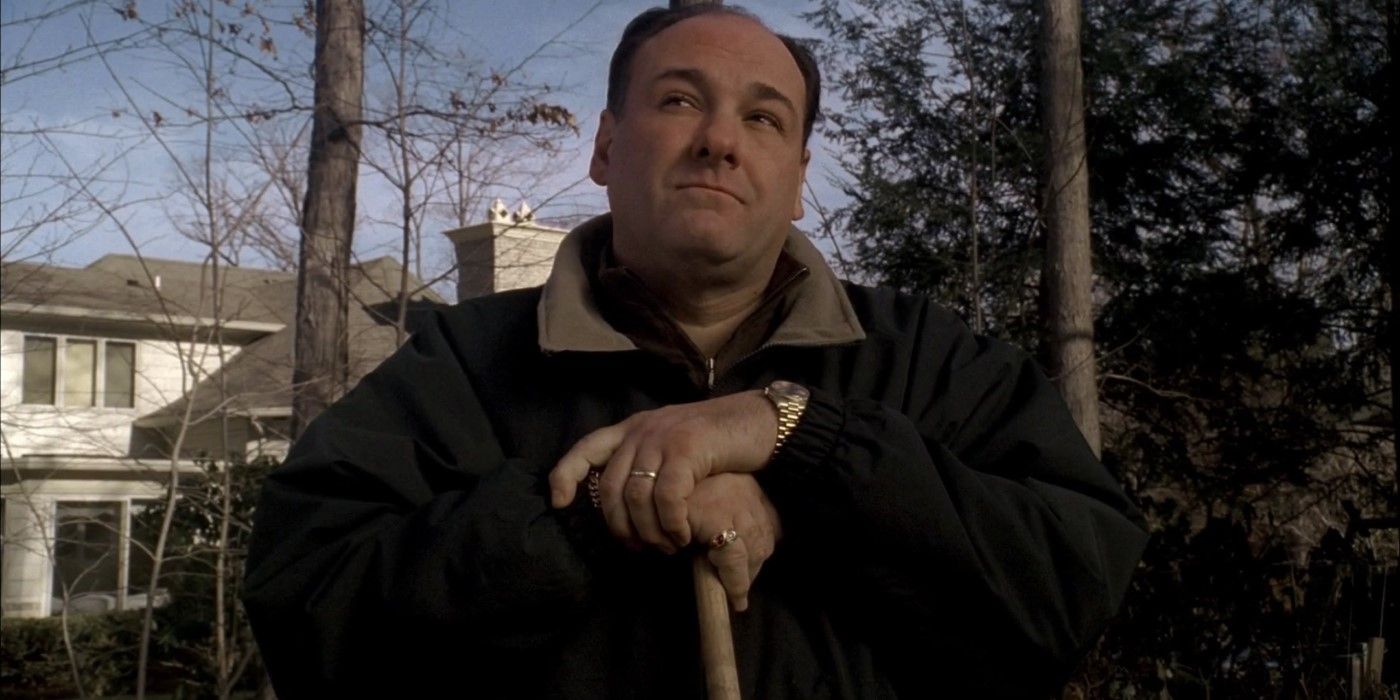
Tony Soprano (James Gandolfini) is adept at making heartrending situations seem like unavoidable consequences of fate. This is one of his strengths whenever he sits in Dr. Jennifer Melfi's (Lorraine Bracco) office, where even a moment of clarity can become an opportunity to justify himself. In Season 1, Episode 7, "Down Neck," Tony gives one of his most revealing remarks about his character: "You're born into this s**t; you are what you are."
He’s discussing his father, Johnny Boy Soprano (Joseph Siravo), and the childhood that led him down the path of organized crime, almost like a family lineage. Beyond the fact that the discussion matters, he’s not just telling his childhood story. He’s in therapy because of his son, A.J. Melfi (Robert Iler) wants to know what Tony was like at his son’s age. In trying to explain his son, he starts telling stories from his own life.
It’s a fascinating choice; he understands that his childhood was shaped by things he couldn’t control. What he finds hard to understand is that A.J. is raised in a completely different environment, where Tony is already a father. The quotation suggests Tony is willing to make peace with his past, but it also shows he doesn’t consider major changes in the future.
Johnny Boy Soprano Was Tony's First Example of What a Man Should Be

Tony's recollections of his father are complicated, but Johnny Boy's impact is undeniable. He was a gangster whose line of work involved violence and intimidation, and Tony witnessed this world closely. He remembers the more pleasant details: his father's fondness for food, his enjoyment of life, and his fondness for people. Tony's memories of his father go beyond seeing him as the one-dimensional gangster. He also remembers his father, whom he respected, noting that what made him admirable at one point was also what made him dangerous.
On the other hand, his mother, Livia (Nancy Marchand), certainly didn't provide comfort and support. Tony's connection to her was also strained, and he often struggles to remember his childhood. Besides punishment and problems, the family showed little warmth, unlike his father's, so it's understandable that Tony sees his life as shaped by circumstances and events in his early life, long before he could understand them.
The interesting point, though, is that Tony had some other options. He was bright and sporty enough to pursue a different path in life and his dreams outside the underworld and his father's operation. His view of himself, portraying himself as simply being who he is supposed to be, seems to be unrealistic.
Tony Wants A.J. to Be Nothing Like Him, Except in All the Ways That Matter

The ironic twist in "Down Neck" is that, although Tony recounts his childhood, he does so because of A.J.'s concerns. He thinks A.J. would join the Mafia like him, but Tony realizes A.J. is a softer child who might not be cut out for the life Tony is living.
Despite his good intentions, Tony's understanding of protection is rather twisted. Meadow (Jamie-Lynn Sigler) and A.J. enjoy the luxury that comes with Tony's criminal profession. Tony believes he can give Meadow and A.J. everything that comes with his criminal career without exposing them to its sources of wealth. In other words, he thinks that he can protect and be generous at the same time while restricting the flow of information about his true life. Tony lies and deceives his kids, preparing them to accept the good things in life as well-deserved.
A.J. is especially interesting in this case because Tony worries that his son has inherited some of his personal struggles, but he pays little attention to his parenting. A child doesn't need to inherit bad qualities to pick up bad habits by watching his parents; Tony worries about A.J.'s future but doesn't set a good example of the path he wants his kid to avoid.
'The Sopranos' Doesn't Confuse Tony's Childhood With an Excuse
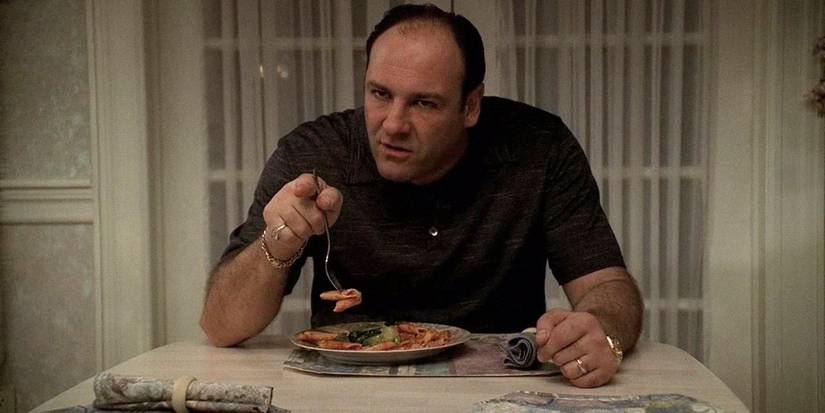
One reason the show remains interesting is that it takes the protagonist's mind seriously. The sessions with the therapist are a place for Tony to talk about anything he has on his mind, including his childhood, panic attacks, different reluctant feelings, and the things that still haunt him as an adult. For a time, the audience believes Tony may solve his problems through therapy; however, Melfi comes to a different conclusion. In the penultimate episode of the show, “The Blue Comet,” the therapist decides to end their relationship when she gets to know that sociopaths often use therapy to achieve their goals. This suggests that the audience has paid close attention to the sessions where the protagonist discusses issues he may do nothing about.
At that moment, the difference between understanding oneself and wishing for improvement is clear. For several years, Tony has talked about his father, mother, and many other influences on his life. After talking about his past, he can make sense of his actions and attitudes, but that doesn’t mean he wants to take responsibility. The most annoying thing about Tony is that he doesn't completely disregard the outcome of his actions; he has enough information to feel concerned about his children’s future and understands he wouldn't want his children to grow up the way he did. Still, again and again, he tries to justify his behavior by arguing that it is simply his nature.
Nineteen years after the last episode of The Sopranos, that line still hurts because it sounds like a valid thought. It isn't valid, though; it is just another excuse to avoid a difficult conversation. Johnny Boy shaped Tony Soprano, but Tony has had enough time to make his own choices. His children have to pay for those choices and actions.
- Release Date
- 1999 - 2007-00-00
- Network
- HBO
- Showrunner
- David Chase
- Directors
- Tim Van Patten, John Patterson, Alan Taylor, Jack Bender, Steve Buscemi, Daniel Attias, David Chase, Andy Wolk, Danny Leiner, David Nutter, James Hayman, Lee Tamahori, Lorraine Senna, Matthew Penn, Mike Figgis, Nick Gomez, Peter Bogdanovich, Phil Abraham, Rodrigo García
- Writers
- Michael Imperioli, Jason Cahill, Lawrence Konner, David Flebotte, James Manos, Jr., Salvatore Stabile, Toni Kalem, Mark Saraceni, Nick Santora
-

Tony Soprano
-

Carmela Soprano
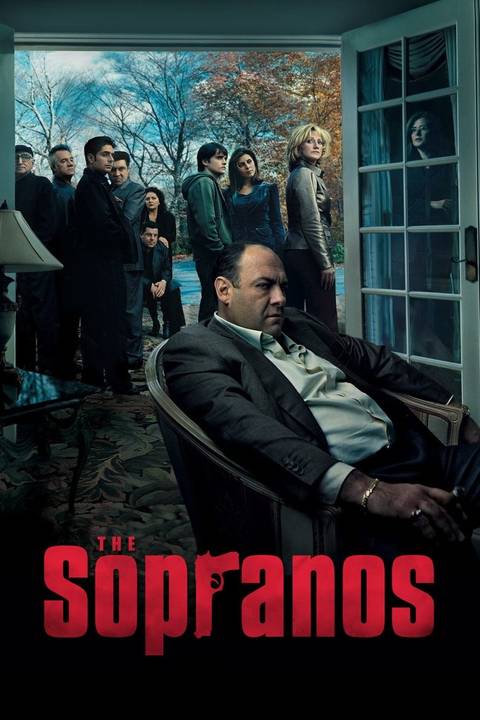
New Jersey mob boss Tony Soprano deals with personal and professional issues in his home and business life that affect his mental state, leading him to seek professional psychiatric counseling.
KioskNews shows a cleaned-up reading view extracted from the publisher’s page — the original always lives on their site, not ours.