Why Netanyahu is accusing Arab Parties of ‘stealing’ Israel election and what officials found
Netanyahu says Arab-led parties stole Israel's election with foreign money. Police and election officials say there is no evidence. Here is why the claim matters for who forms the next government.
5 min readOct 31, 2026 08:06 AM IST First published on: Oct 31, 2026 at 08:06 AM IST
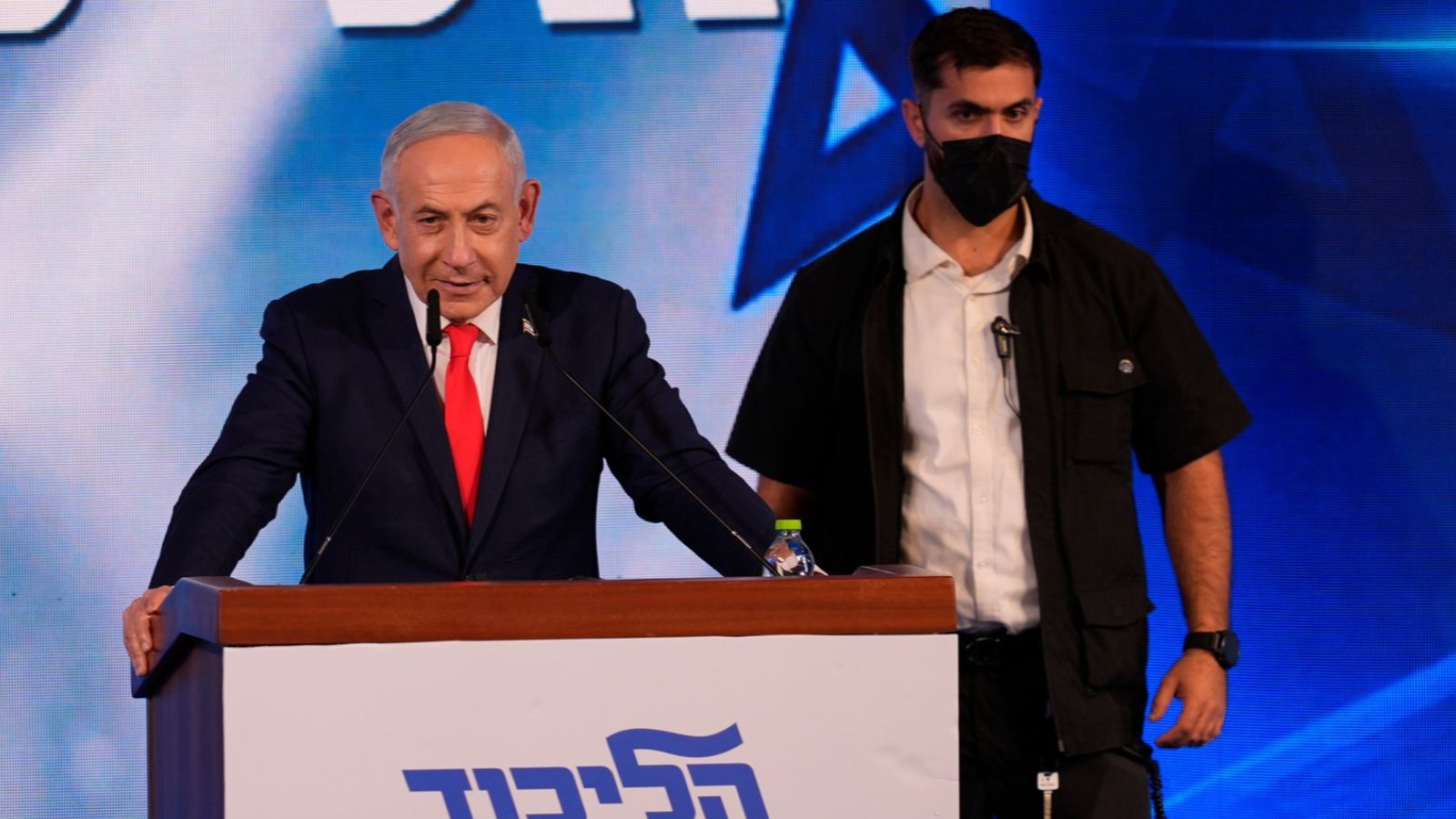
Israeli Prime Minister Benjamin Netanyahu speaks to supporters at Likud party headquarters in Jerusalem following the release of the first exit poll results in Israel's general election. (Photo: AP)
Israel election results 2026: Israel election has led to a political deadlock with no party crossing the majority mark. Even as the parties deliberate on fresh strategy and new alliances, the Arab parties with their unprecedented performance are hard to ignore.
The Arab parties, that include Joint List and Ra’am, have secured 19 seats, a performance triggered by a record turnout. Prime Minister Benjamin Netanyahu’s Likud party has linked the ‘historic’ performance to foreign money and fraud. However, the Israeli authorities, election officials and the Arab parties have said that there is no evidence of either. With neither bloc near 61 seats, those parties could pick the next government. So is this a fraud case, or a move to keep them out?
What Netanyahu and Likud claim
On Thursday, October 29, Netanyahu said on social media that foreign forces wanted to take over the Knesset and end right-wing rule. He named the matter Ra’amgate and called it “an earthquake,”. He said votes were bought with cash, and warned that such a government could lead to an Israeli military retreat, including in the conflict with Iran. He urged the police and the Shin Bet, Israel’s internal security agency, to use all means to investigate.
On Wednesday, he also accused the parties of bribery, threats, violence and multiple voting, and said Likud was giving the authorities hundreds of testimonies and pieces of evidence.

All ballots counted · Official certification pending
Israel election 2026: Who won how many seats?
The 120 Knesset seats split three ways. Neither major bloc reaches the 61 needed for a majority on its own.
All ballots counted · Official certification pending. The Central Elections Committee has finished counting the regular and double-envelope ballots. Seats shown are the reported completed-count figures (Globes, Oct 29, 2026, 6:15pm Israel time), still subject to final verification. Official results are expected on Nov 4, 2026. Bloc groupings are editorial, not Central Elections Committee categories.
61 = majority
UTJ
Netanyahu bloc
53
27
6
7
7
6
Eight seats short of a 61-seat majority.
Likud 27
Shas 6
United Torah Judaism 7
Otzma Yehudit 7
Religious Zionism–Zehut 6
Opposition bloc
48
21
12
8
7
Thirteen seats short of a majority without support from outside its bloc.
Yashar 21
B’Yachad 12
The Democrats 8
Yisrael Beytenu 7
Arab-led parties
19
11
8
Two separate parties, not one bloc. The Joint List and Ra’am could take different positions in coalition talks.
Joint List 11
Ra’am 8
0
20
40
61
All 120 seats
53
48
19
61
Groupings are editorial. The blocs follow how Israeli media group the parties; they are not official Central Elections Committee categories. Forming a government is a separate process from the count, and no coalition is certain.
Sources: Seats: completed Central Elections Committee count as reported by Globes (Oct 29, 2026, 6:15pm Israel time), pending official certification, expected Nov 4, 2026. Bloc totals cross-checked with The Times of Israel (Oct 29, 2026).
Hebrew-language media said Likud believes the money came from Qatar and Turkey. Qatar denies any role. Likud and other right-wing figures point to high Arab turnout, organised transport to polling stations and fears of foreign-funded campaigns. They say a review is needed to keep public trust.
Story continues below this ad
What officials and police say
So far, the claims have not been backed up. Police said they hold no evidence, and that election day had fewer irregular incidents than in other elections. Dean Livne, acting head of the Central Election Committee, told Kan the committee had received “claims rather than evidence.” Kan and Ha’aretz, citing sources, said the suspicions were small and overstated.
Even so, committee chair and Supreme Court Justice Noam Sohlberg asked Shin Bet chief David Zini to look into possible foreign funding. He said he could not confirm the suspicions, but wanted a full inquiry and findings within a week. His letter named no country, Press Trust of India said.
Zini said on election day that the vote was safe and supervised. Israeli media said some of Likud’s concerns came from intelligence assessments, though the agency has not confirmed this. Separately, the Shin Bet is investigating several Netanyahu aides over alleged ties to Qatar, a case is unrelated.
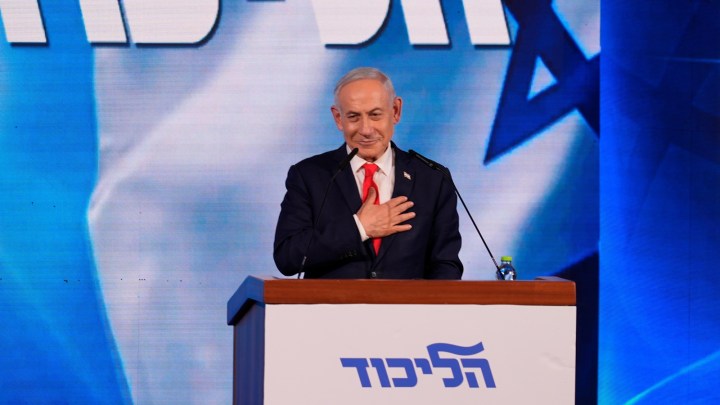
Ra’am denied involvement and said it would help any investigation. Al Jazeera said both Arab parties deny wrongdoing.
Story continues below this ad
Why it matters for forming a government
The numbers show why. Partial count gave Netanyahu’s bloc 53 seats, Eisenkot’s bloc 48 and Arab-led parties 19. A majority in the 120-seat Knesset needs 61. Joint List won 11 seats and Ra’am eight, and both are willing to work with the opposition. Most Zionist opposition parties pledged not to join a coalition with Arab parties, though. Opposition leaders remain split on whether Arab parties should join a coalition or back it from outside.
Gadi Eisenkot, Netanyahu’s main rival, accused him of running an influence campaign to cast doubt on the vote, but also said every complaint should be investigated. Likud officials discussed possible complaints about Arab communities in the weekend before voting, before any irregularities had been shown.
Amira Halperin of the Palm Beach Center for Democracy and Policy Research told DW that Likud may want to reduce Arab influence.
Record Arab turnout and what comes next
Arab turnout rose from about 50 percent in 2022 to about 80 percent, according to Israeli reports. Arab citizens make up about 20 percent of the population. Adalah, a legal rights group, said polling stations in Arab areas faced systematic delays on election day.
Story continues below this ad
The Central Election Committee is expected to publish final results by November 4. President Isaac Herzog will then consult the parties and ask one lawmaker to try to form a government. Al Jazeera put the question to analysts Sheikha Alanoud Hamad Saud Al Thani, Abed Abou Shhadeh and Adam Bellos.
KioskNews shows a cleaned-up reading view extracted from the publisher’s page — the original always lives on their site, not ours.