Inside Syria's campaign against Hezbollah: How Damascus is countering Iran’s proxy - analysis
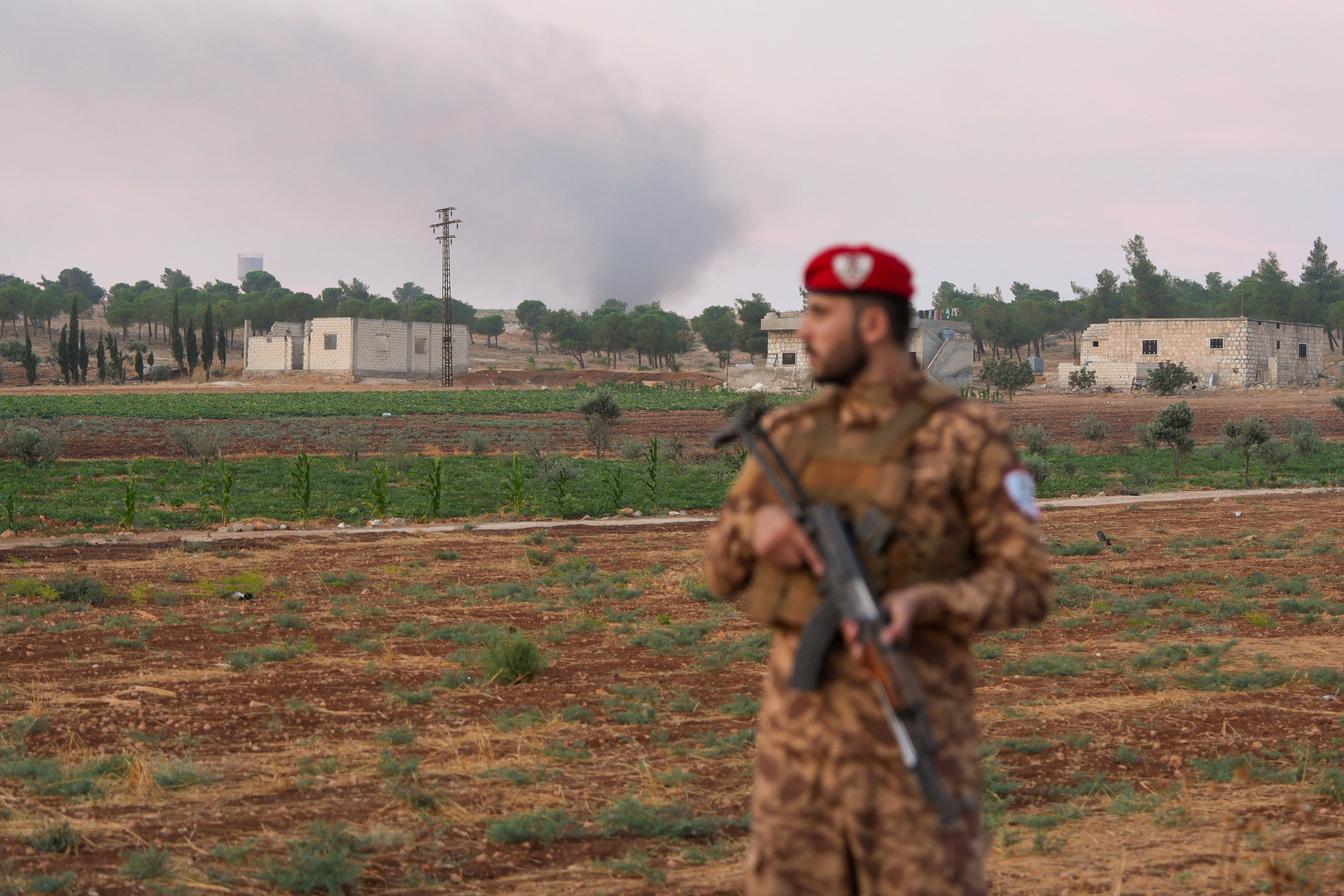
Syria’s new government has increasingly targeted Hezbollah-linked networks since the fall of the Assad regime in December 2024.
In the latest raid, Syria’s General Intelligence Service said that it operated in coordination with the Internal Security Forces and “foiled a plot targeting the Homs refinery, arresting members of a cell affiliated with Hezbollah militia and seizing explosive devices prepared for the attack.”
This is important and part of a pattern of Syrian security forces raids on Hezbollah operatives over the last few years. The recent raid “resulted in the arrest of the cell members involved and the seizure of explosives intended to target the refinery, according to the statement,” Syrian state media said.
What we know about previous attempts by Syria to stop Hezbollah threats: Hezbollah backed the Assad regime for years, and the new government of Syria views Hezbollah as a threat. Note that Hezbollah intervened in Syria’s civil war in 2013 to support Bashar al-Assad, particularly around al-Qusayr, near the Lebanese border. Syria also provided a vital land route for Iranian weapons shipments to Hezbollah.
Under the new President Ahmad al-Sharaa, Syrian security forces have sought to dismantle these networks, seize weapons shipments, and prevent Hezbollah from reestablishing a presence inside Syria. The campaign has included arresting alleged Hezbollah operatives, operations against weapons smuggling, and clashes along the Lebanese border.
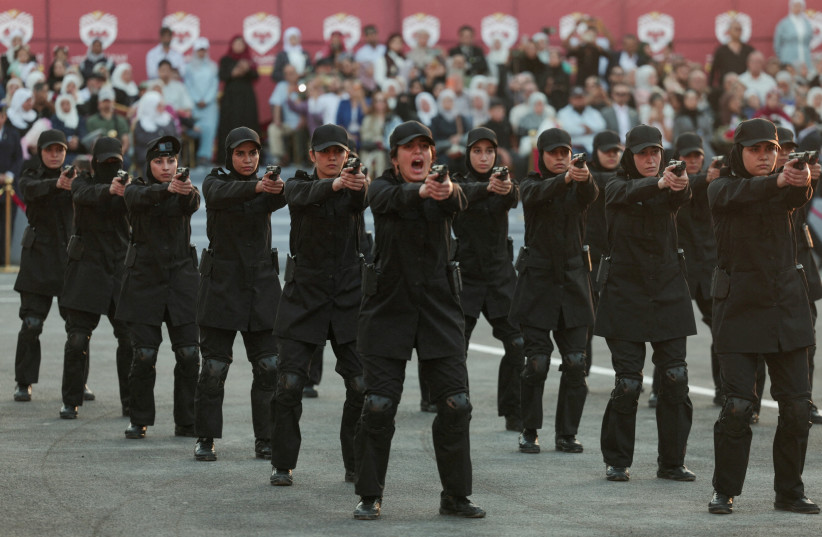
Major Hezbollah busts by Syria
The following are major Hezbollah operative busts from the last few years.
In February 2025, in the Damascus countryside, the Public Security Department said it had “apprehended groups engaged in smuggling and selling weapons to Lebanese Hezbollah in al-Qutayfah area of Damascus Countryside.”
Next was an arrest in March 2025. Syria said it had launched a security operation in the Sayyida Zaynab area of Damascus Countryside Governorate, targeting what it described as Hezbollah-linked cells planning criminal activities, SANA reported. Syria’s Ministry of Interior and the Damascus Countryside Security Directorate led the operation.
In September 2025, there was a raid in Sasa and Kanaker. Syrian authorities announced the arrest of a Hezbollah-linked cell allegedly trained in Lebanon. They seized 19 Grad rockets, anti-tank missiles, and launchers, Al-Monitor reported at the time.
In February, another raid took place in Mezzeh, near Damascus. It is close to an important military airport. The Syrian government said it dismantled a cell that had fired rockets at the airport. Officials said the weapons originated with Hezbollah.
Weapons shipments, explosives seized, plots uncovered
In May, more operations against Hezbollah cells in multiple provinces took place. Syrian authorities announced via SANA that there had been coordinated arrests of an alleged Hezbollah cell accused of planning assassinations of senior officials. Weapons, explosives, and surveillance equipment were found.
In July, shipments of weapons for Hezbollah were seized. The reports said that missiles, anti-tank weapons, and drones were found. The weapons were believed to be destined for Hezbollah.
Yesterday were the latest arrests of an alleged Hezbollah-linked cell accused of plotting attacks on the Homs refinery.
Together, these incidents illustrate how the collapse of the Assad regime has disrupted Hezbollah’s former Syrian operation and weapons corridors. The recurring arrests also illustrate the continued threat of Hezbollah.
It’s possible that for every arrest there are Hezbollah cells that continue to use Syrian territory to smuggle weapons. However, the pressure from the Syrian government makes it harder for Hezbollah.
KioskNews shows a cleaned-up reading view extracted from the publisher’s page — the original always lives on their site, not ours.