12 Years Later, Matthew McConaughey's Best True Detective Line Is Still The Greatest In Neo-Noir History

Ben Sherlock is a Tomatometer-approved film and TV critic who runs the massively underrated YouTube channel I Got Touched at the Cinema. Before working at Screen Rant, Ben wrote for Game Rant, Taste of Cinema, Comic Book Resources, and BabbleTop. He's also an indie filmmaker, a standup comedian, and an alumnus of the School of Rock.
Sign in to your ScreenRant account
While HBO has struggled to expand it into an anthology format, the first season of True Detective remains one of the greatest TV masterpieces of the 21st century. The subsequent seasons have all had their fair share of flaws (especially season 2), but season 1 remains a flawless masterpiece. Nic Pizzolatto’s devilishly complex plotting has the richness and density of the Great American Novel, and he wisely made the mystery secondary to the characters.
The first season of True Detective revolves around a complicated, years-long murder investigation, but the series is more interested in exploring what happened to these two detectives, and why their relationship has soured, than poring through the clues and questioning suspects. Woody Harrelson and Matthew McConaughey each gave a career-best performance bringing their respective halves of this crimefighting duo to life.
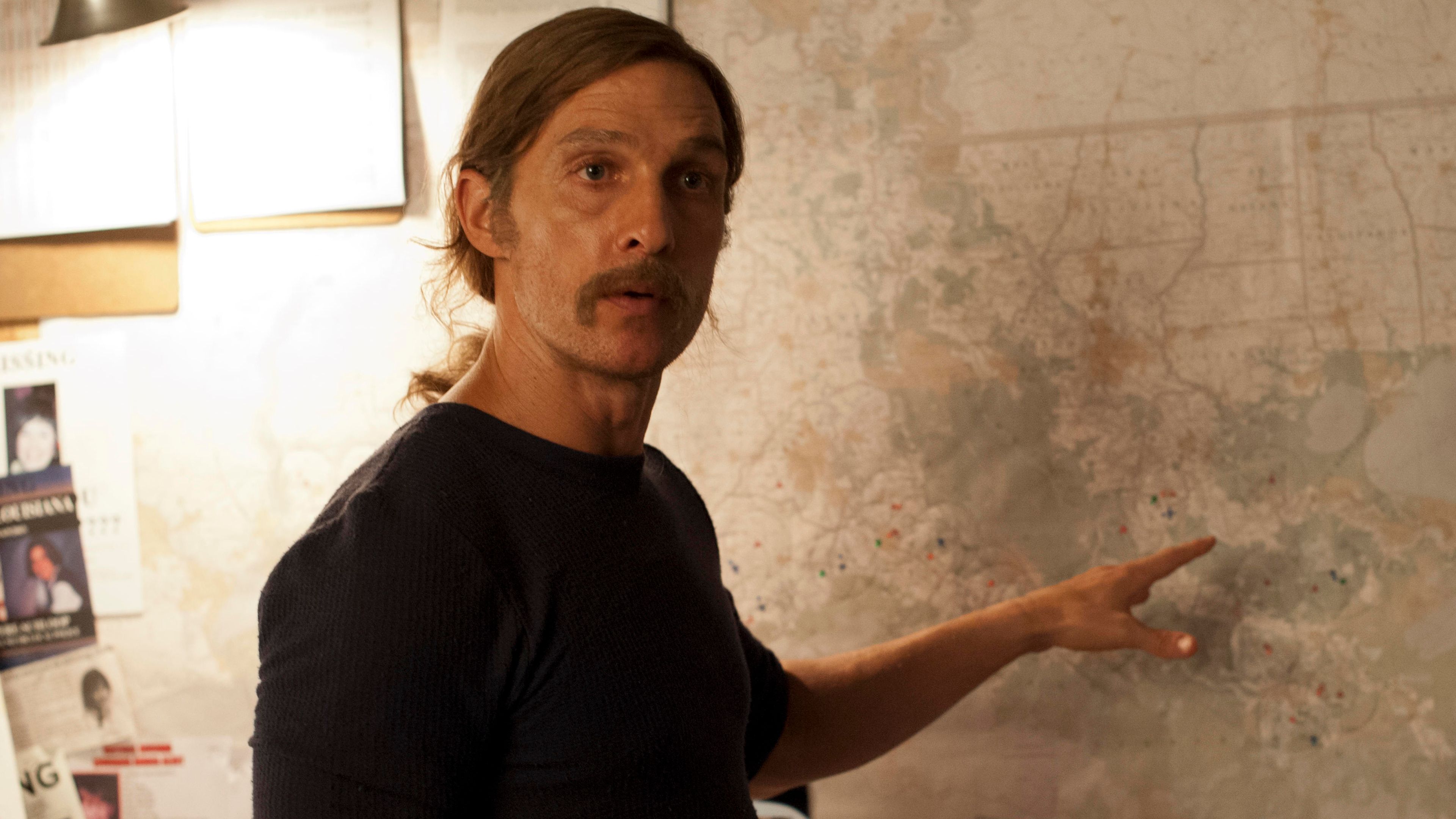
Harrelson’s Marty Hart is a typical Tony Soprano/Vic Mackey-style antihero — a violent man, an unfaithful husband, a selfish jerk — but McConaughey’s Rust Cohle is a much more original creation. Rust is the dark horse, who spends his days waxing philosophical about the inherent cruelty of the world and humanity’s capacity for inhumanity. Rust is one of the most quotable characters in TV history, but one of his many nihilistic nuggets feels archetypally noir.
Matthew McConaughey’s Best True Detective Quote Defines Neo-Noir

True Detective’s debut season is the quintessential neo-noir, because it explores the moral gray areas between cops and crooks. In the traditions of pulp fiction, classic film noirs followed hard-boiled detectives as they uncovered criminal conspiracies and brought down the big boss, often being seduced by a femme fatale along the way. But, starting with films like Chinatown and Taxi Driver in the 1970s, the neo-noir subverted those old-school conventions with more nuance and moral complexity.
While it takes its visual cues from the Southern Gothic aesthetic, True Detective season 1 is pure neo-noir. The killer is undoubtedly the bad guy, but Marty and Rust aren’t exactly the “good guys.” Rust summed this up perfectly with his best line. When Marty asks him if he wonders whether he’s a “bad man,” Rust doesn’t hesitate: “No, I don’t wonder, Marty. The world needs bad men; we keep the other bad men from the door.”
The reason the debate of good versus evil is so complicated is because there’s a vast middle ground in between, and the side of good doesn’t have a hope against the side of evil unless the good side has people who are willing to do immoral things to protect the rest of them from the even worse people on the evil side. Rust knows it’s his lot in life to be that guy, and he’s made peace with it. That’s what neo-noir is all about: Jake Gittes, John Klute, Rick Deckard, even Batman — they’re all variations on this guy.
Rust Cohle Is The Archetypal Neo-Noir Detective

While Jack Nicholson’s Jake might be the poster boy for the neo-noir subgenre, Rust is the ultimate neo-noir detective. He’s the good guy who’s willing to do bad things to stop the bad guys. He’s haunted by his unspeakable past, and unable to clear his mind of the trauma that defines him. He throws himself into each new case to distract himself from his pain. He’s carrying a lot of emotional baggage, but he doesn’t let that affect the work.
That line about “bad men” is just the tip of the iceberg; just about every line Rust says in True Detective season 1 is deeply profound, and dripping with subtext. His line about people who feel no shame or remorse — “People incapable of guilt usually do have a good time” — carries a particular sting after we’ve seen all the powerful people on the Epstein list protect each other from accountability.
KioskNews shows a cleaned-up reading view extracted from the publisher’s page — the original always lives on their site, not ours.