Did NIL really 'level the playing field' in recruiting? The answer is more complicated than you think

With how off the rails this college football season has been at times, it's easy to forget that one of the most important days in the sport is quickly approaching.
That's right, folks! In less than a week, National Early Signing Day will hit us, seemingly out of the blue.
Many fans seem to think that recruiting doesn't matter now that the transfer portal is as rampant as it is now, but championship programs are still built through elite recruiting.
Speaking of elite recruiting, the Miami Hurricanes pulled off another coup in the realm of talent acquisition by landing DJ Jacobs, a five-star edge rusher fresh off of decommitting from Ohio State.
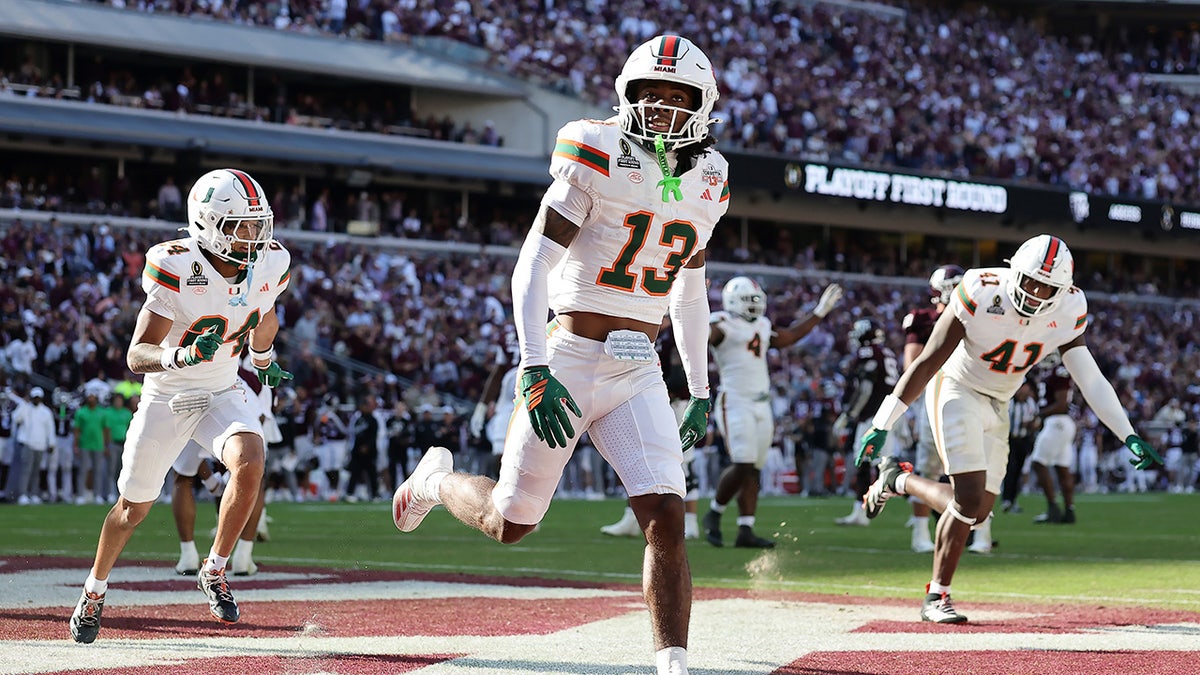
Bryce Fitzgerald (13) of the Miami Hurricanes celebrates after intercepting a pass in the fourth quarter against the Texas A&M Aggies during the 2025 College Football Playoff First Round Game at Kyle Field on Dec. 20, 2025 in College Station, Texas. (Alex Slitz/Getty Images)
If you're keeping track at home, that is Miami's seventh five-star commit in the 2027 recruiting cycle, according to the 247Sports composite rankings.
The Canes now have a signing class to rival the likes of some of Nick Saban's best hauls while coaching Alabama.
When the NIL era began in earnest in 2022, the rallying cry for those in favor was that this would mark the end of teams building "super classes."
A leveling of the playing field, so to speak.
With signing day just five days from now, we can look at the 2027 class in terms of being a nearly finished product and assess whether that's really the case.
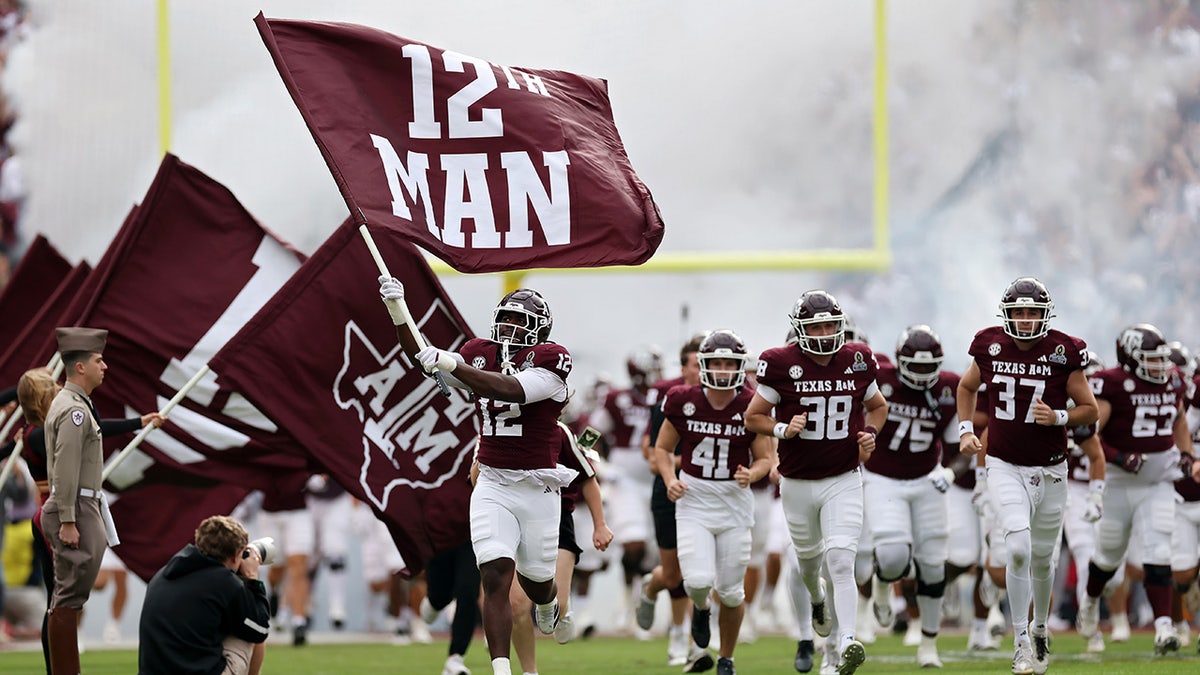
The Texas A&M Aggies take the field before the 2025 College Football Playoff First Round Game against the Miami Hurricanes at Kyle Field on Dec. 20, 2025 in College Station, Texas. (Tim Warner/Getty Images)
If you go back to the 2021 signing class - the year before it's widely agreed upon that NIL was introduced - you will see some familiar faces at the top of the heap.
Most notably, Alabama, with a class that looks eerily similar to Miami's 2027 stockpile.
Both teams have seven five-stars each to their name, with the Crimson Tide having two more signees total than Miami's 25 commits this year.
If you look directly below that, though, you'll see some changes.
Ohio State's 2021 signing class was equally as stacked as both Bama's that year and Miami's is for the 2027 cycle, with another seven five-stars in the fold.
That's 14 five-star prospects split between two programs, nearly half of the entire allotment in a given cycle (most classes have roughly 32 five-stars in any given year).
Ohio State head coach Ryan Day shouts to his team against Rutgers during the first half of an NCAA college football game, Saturday, Nov. 22, 2025, in Columbus, Ohio. (AP Photo/Jay LaPrete)
In 2027, that number is stretched out a bit more, with the top five teams holding 15 five-star commits.
Other than Miami's nearly historic haul, Notre Dame has three five-stars, followed by Texas A&M with two, Oregon with one, and then Florida with another two rounding out the top-five.
What is interesting to see, however, is that five of the top ten classes have at least three five-star prospects in their signing class.
In 2021, that number was four teams, all of which resided in the top five.
So, the talent is proliferating somewhat, just not as much as most people would lead you to believe.
And how about those "usual suspects" that everyone sees in the top ten year after year?
Surely, NIL has given more non-traditional recruiting powers a seat at the table, right?
Well, yes and no.
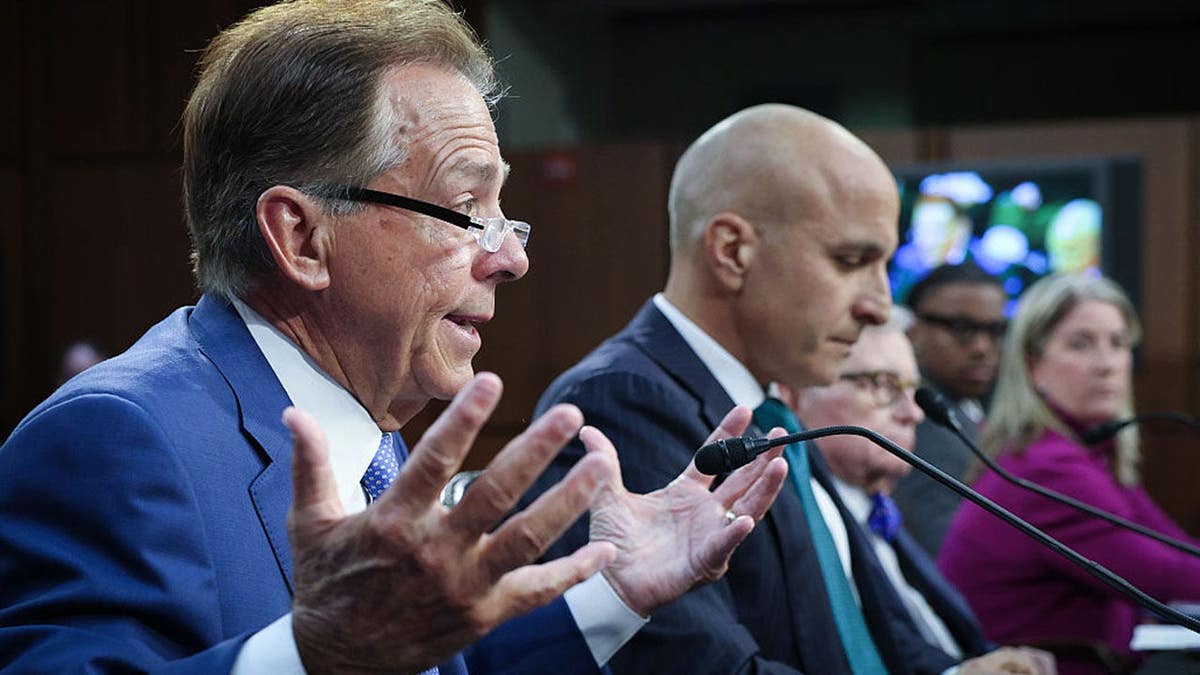
Nick Saban, former head football coach at the University of Alabama, testifies before the Senate Committee on Commerce, Science, and Transportation in Washington, D.C., on June 3, 2026. The committee heard testimony on protecting college sports, supporting student athletes, restoring fair compensation, and saving the games fans love. (Win McNamee/Getty Images)
While Alabama, LSU, and Clemson went from top-five classes in 2021 to on the outside of the top ten in 2027, you'll still see plenty of familiar faces dominating the recruiting rankings.
You still have perennial "offseason champs" like Ohio State, Texas, Oregon, and Georgia well represented in the top ten, however, it looks a little different this time around.
Take the Bulldogs, for instance.
Since head coach Kirby Smart walked through the door, Georgia has lived in the top-three range, signing multiple top-ranked classes during his time in Athens.
This year, the Dawgs occupy the number 10 spot in the recruiting rankings, unfamiliar territory for the nation's number one team in 2026.
The lone "outsider" is Texas Tech, which used to be happy to sign classes ranked in the top-30.
Now, the Red Raiders have the eighth-ranked signing class, with three five-star prospects joining the fold.
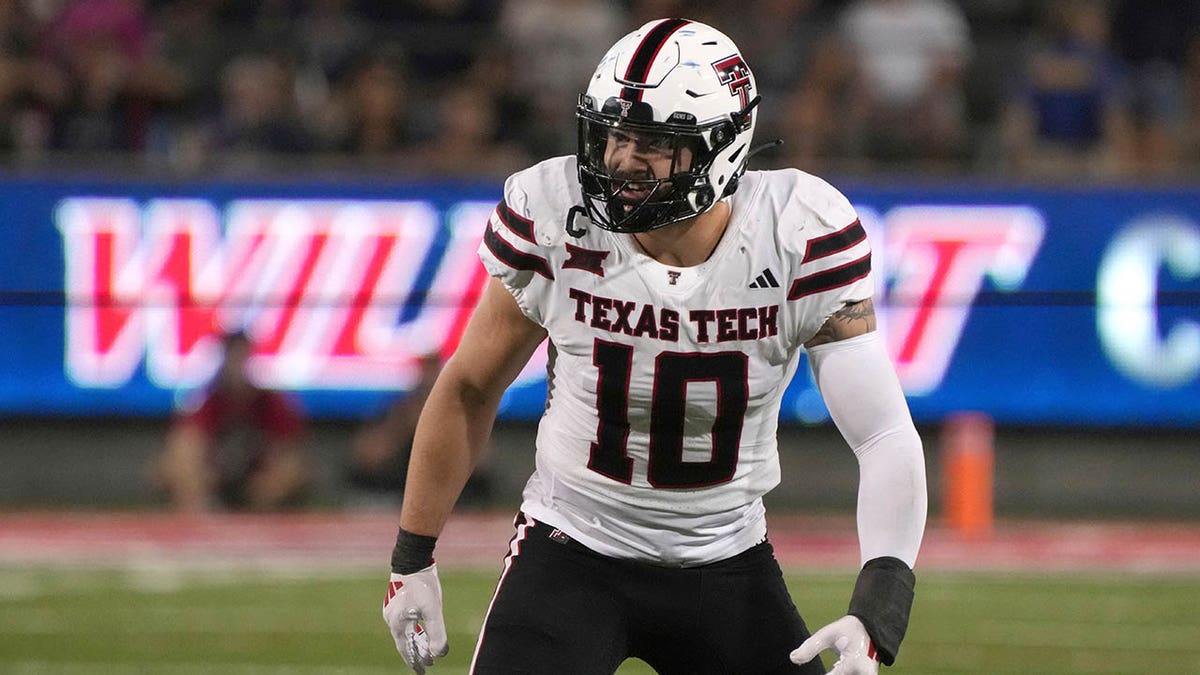
Texas Tech linebacker Jacob Rodriguez (10) is seen during an NCAA football game against Arizona on Oct. 5, 2024, in Tucson, Ariz. (AP Photo/Rick Scuteri, File)
All of this is a very long-winded way of saying that, while the recruiting landscape looks slightly different in 2026 than it did five years ago, it's not nearly as drastic a change as many are suggesting.
Blue bloods still litter the top of the recruiting rankings, and programs are still hoarding high-end talent at an insane clip.
Some of the logos at the very top may have changed, but the "haves" are still dominating the "have nots" in the talent acquisition business.
With that in mind, enjoy Early Signing Day, my fellow college football sickos.
Austin Perry is a writer for OutKick.
KioskNews shows a cleaned-up reading view extracted from the publisher’s page — the original always lives on their site, not ours.