How cooking changes egg protein: What happens to its nutritional value when heated
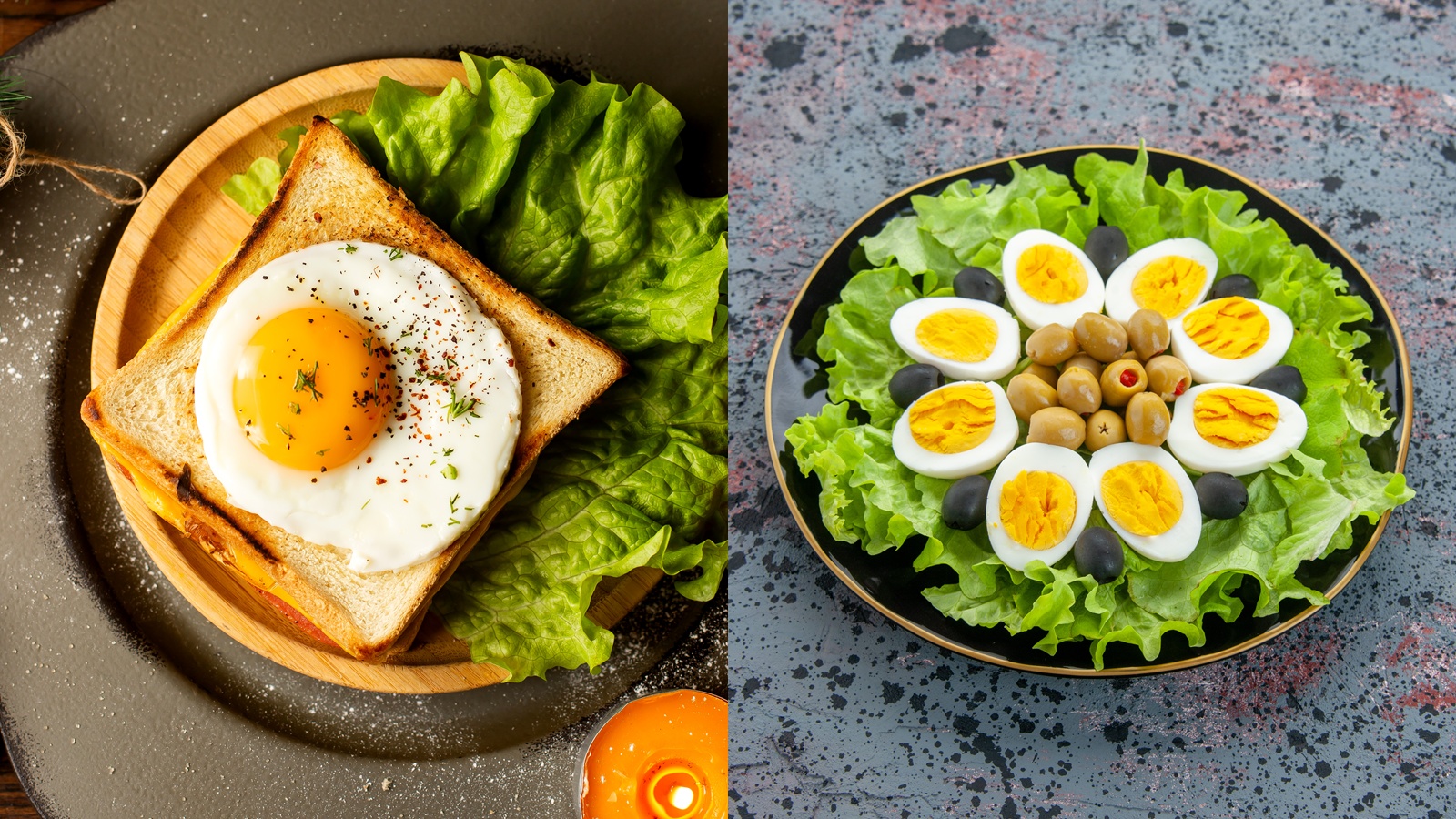
Does the cooking technique significantly change the protein quality or quantity in eggs? (Source: Freepik)
Eggs are one of the most accessible and affordable sources of high-quality protein. They’re versatile too; whether you like them boiled, poached, scrambled, or fried, there’s a preparation for everyone.
But while taste and texture vary across these cooking styles, curiosity is growing about how cooking methods might affect the protein you absorb from eggs. Some say boiling is best, while others argue that scrambling or poaching helps retain more nutrients. But does the cooking technique significantly change the protein quality or quantity?
Does the protein content in eggs change based on how they’re cooked—boiled, poached, scrambled, or fried?
Kanikka Malhotra, consultant dietitian and diabetes educator, tells indianexpress.com, “The protein content in eggs remains relatively unchanged regardless of common cooking methods, including boiling, poaching, scrambling, or frying. Raw eggs and cooked eggs both contain about 6.3g of protein per large egg. The minimal differences that might occur are usually due to extra ingredients — like milk or oil — added during cooking, not the process itself.”
DISCLAIMER: This article is based on information from the public domain and/or the experts we spoke to. Always consult your health practitioner before starting any routine.
She continues, “Scientifically, heat does not destroy or alter the amount of protein present; it only changes the proteins’ structure (denaturing). Whether you prefer your eggs boiled, poached, scrambled, or fried (minus added cheese or butter), you’re getting virtually the same amount of high-quality, complete protein.”
Does cooking affect egg protein bioavailability?
“Cooking eggs significantly improves protein bioavailability, or the amount of protein your body can absorb,” explains Malhotra, adding that cooking unfolds (denatures) proteins, making them easier for our digestive enzymes to break down.
Methods using moderate temperature and moist heat, like boiling or poaching, she states, help preserve digestibility, but any cooked egg — scrambled, boiled, or fried — offers excellent protein absorption compared to raw. “Gently cooked eggs represent a science-backed way to maximise usable protein while minimising risk from bacteria,” notes the expert.
Story continues below this ad
Cooking techniques that might degrade or denature the protein to a degree that impacts its nutritional benefit
According to Malhotra, extreme heat or prolonged cooking can slightly degrade certain amino acids in egg protein, but under normal home cooking, this impact is negligible. Cooking denatures proteins, making them more digestible and absorbable.
“Only excessive methods (such as deep frying at extremely high temperatures or burning) might moderately lower the excellent amino acid composition found in eggs, but the protein quality remains very high. For regular diets, using boiling, poaching, or light scrambling, you safely get nearly all the nutritional benefits egg protein has to offer,” concludes Malhotra.
DISCLAIMER: This article is based on information from the public domain and/or the experts we spoke to. Always consult your health practitioner before starting any routine.
KioskNews shows a cleaned-up reading view extracted from the publisher’s page — the original always lives on their site, not ours.