Expert ‘bat wranglers’ put GPS trackers on California’s bats
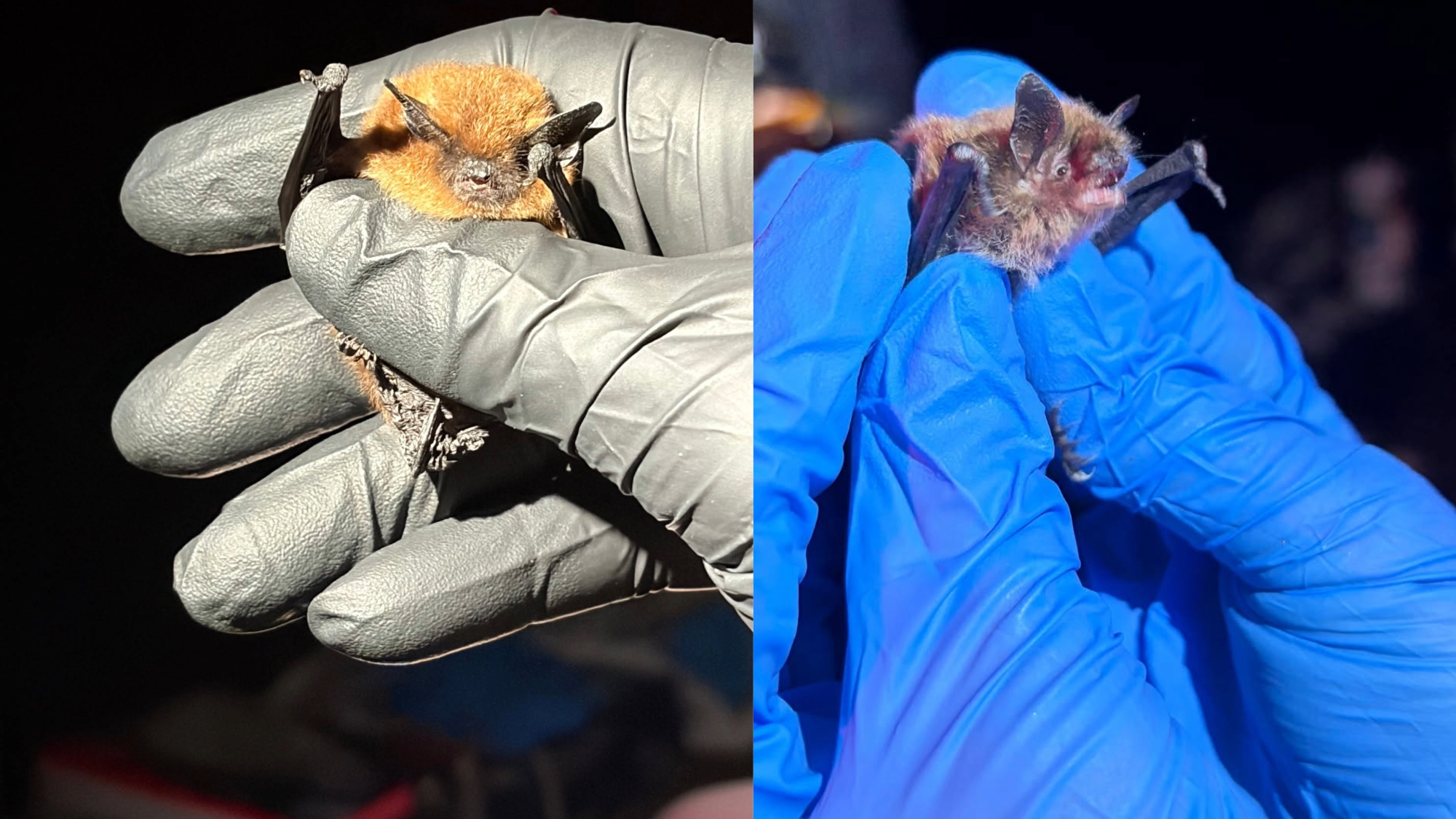
October is officially Bat Appreciation Month. In the spirit of the season and conservation, a team of biologists in California recently spent time finding bats at Muir Woods National Monument and Samuel P. Taylor State Park. And while Halloween is fast approaching, the activity had nothing to do with spooky festivities and everything to do with tracking hoary (Lasiurus cinereus) and western red bats (Lasiurus blossevillii).
The goal of their survey was to put GPS trackers on bats from the two migratory species. Hoary bats have grey-white fur and are the most widespread bat species in North, Central, and South America. Western red bats, also known as southern red bats, sport a reddish fur and are found in parts of South America. In redwood forests, bats like nesting within holes inside large trees.
“When they migrate, those little guys can cover a LOT of ground!” the Golden Gate National Recreation Area writes, referencing both species. “By learning about these migratory patterns, we can better understand entire ecosystems like Muir Woods.”
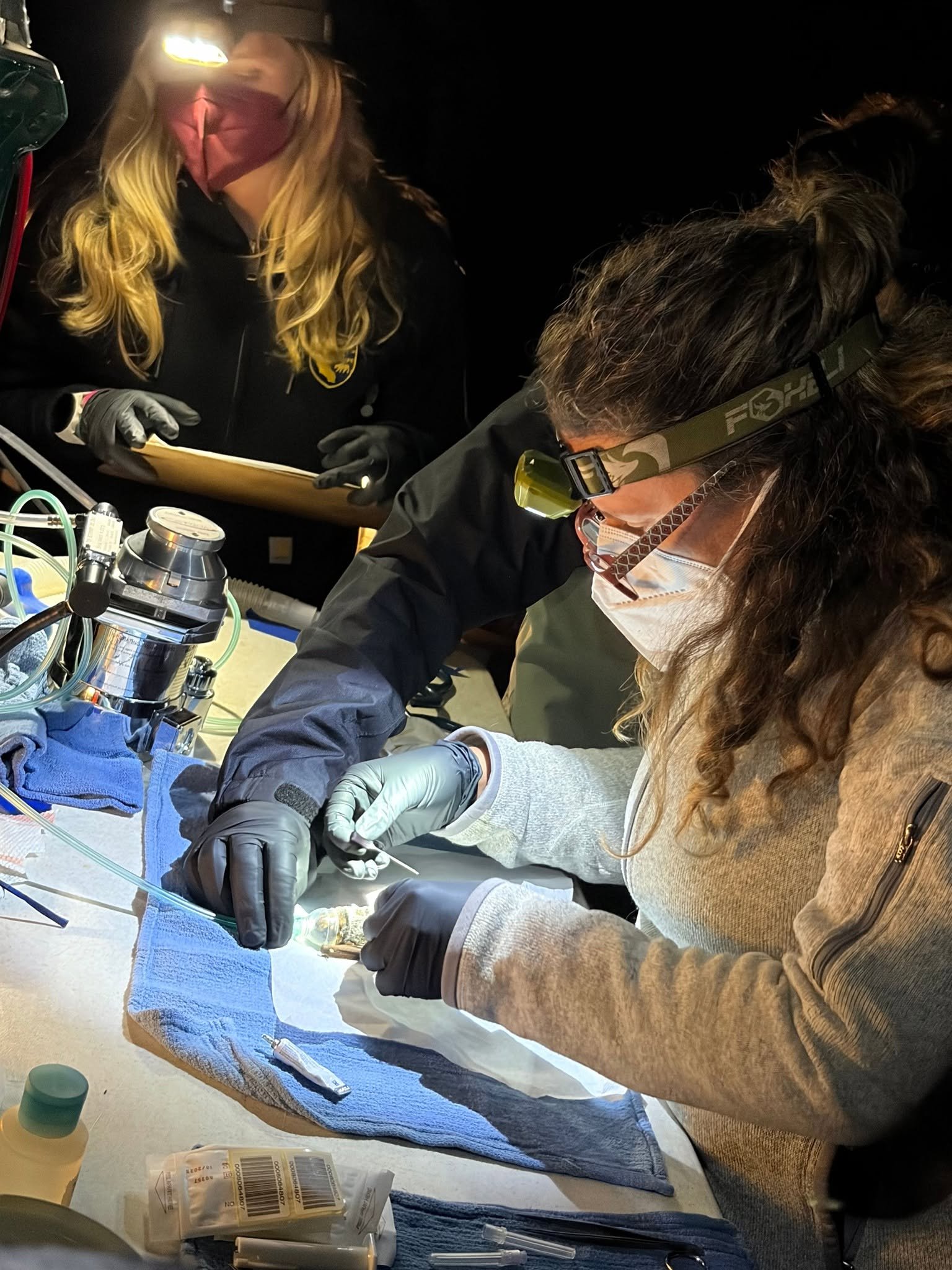
Bats are important members of such ecosystems. They are pollinators, they spread seeds, and they help manage insect populations. To catch these helpful agents, scientists set up a sheer, delicate net called a “mist net” over a creek at dusk. All bats are nocturnal, and when they went searching for their next meal—bugs—they flew into the net.
It was a bit of a trick for the winged mammals, but a treat for the human team. “Expert bat wranglers” carefully took them out of the nets, noted their weight and size, presumably attached the GPS tracker, and then returned them to the wild.
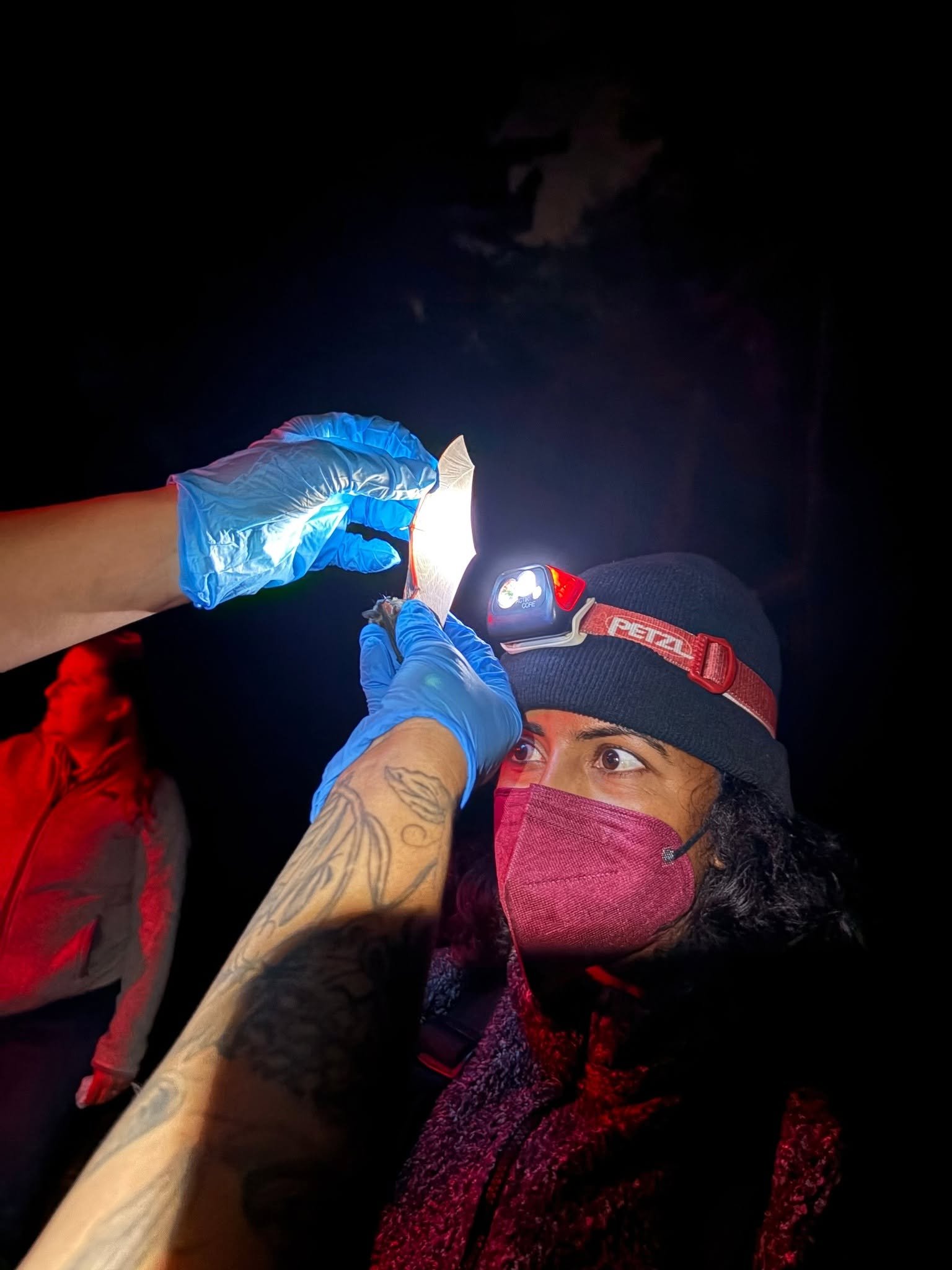
The Golden Gate National Recreation Area’s shared pictures of tiny, disgruntled looking bats carefully pinched between gloved fingers. In one image, an expert holds a bat wing up to the light of a colleague’s headlamp. In fact, illuminated wing membrane patterns literally shed light on the bat’s age and developmental stage.
While this survey focused on two bat species, researchers at the Muir Woods National Monument have previously spotted 10 different species.
KioskNews shows a cleaned-up reading view extracted from the publisher’s page — the original always lives on their site, not ours.