Toxic online subcultures fuelling Asia’s school attacks
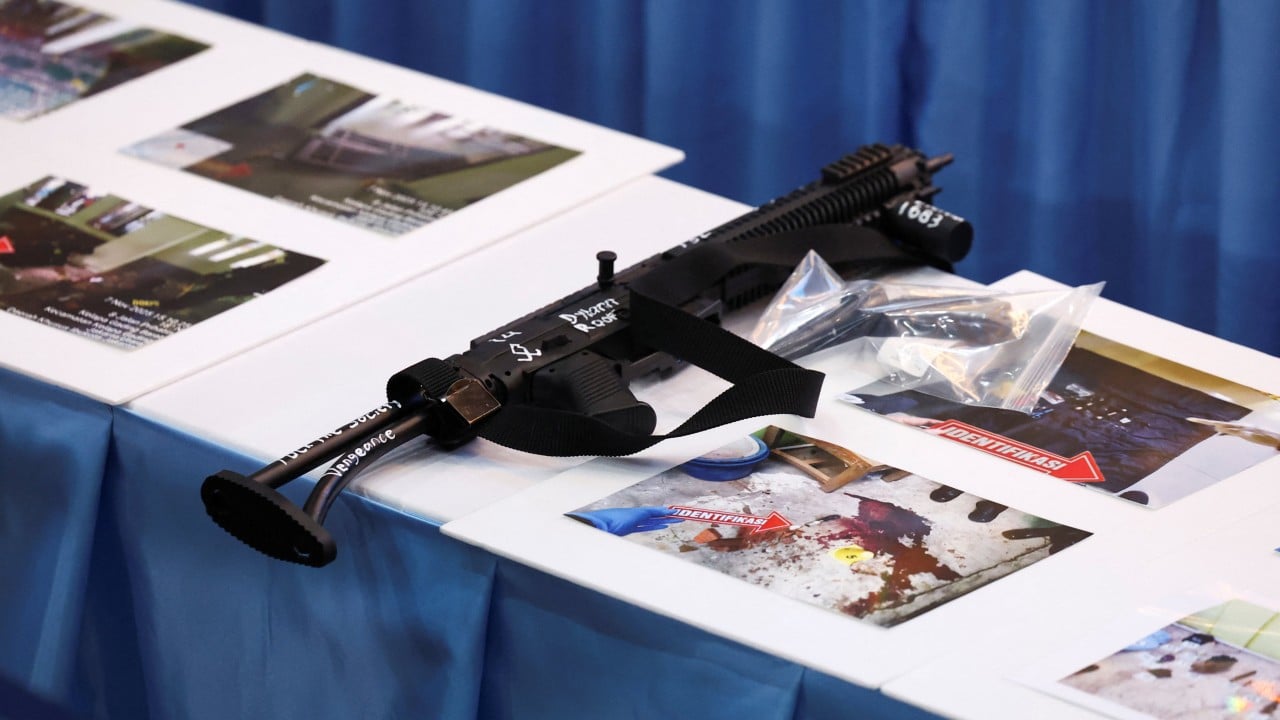
Recent school attacks across Malaysia have shone a light on a troubling trend of teenagers joining an online subculture that glamorises real-life killers, according to a prominent security analyst.
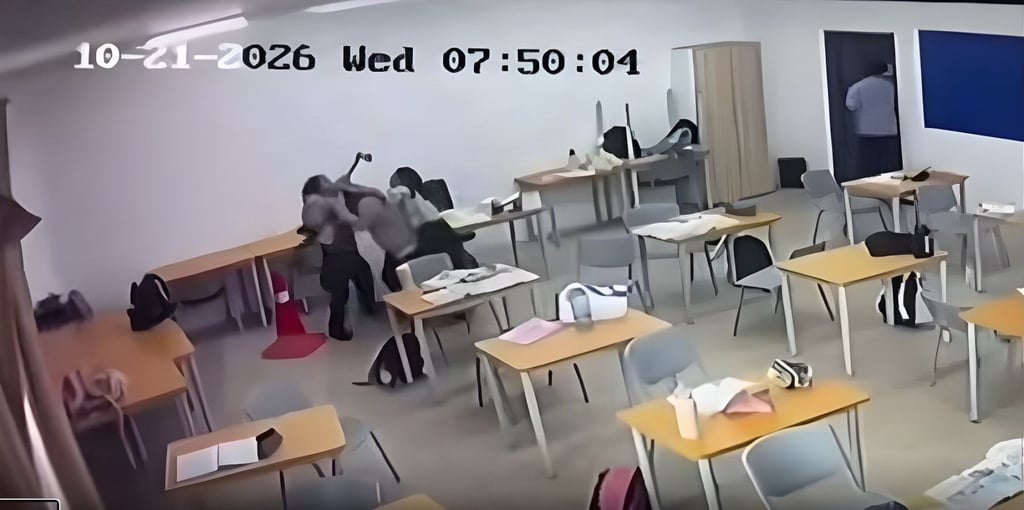
Three violent incidents in Malaysian schools – in Kuching on October 21, Banting in July and Bandar Utama in October last year – could be linked to the True Crime Community (TCC), said Munira Mustaffa, founder of Kuala Lumpur-based security consulting firm Chasseur Group.
In the Kuching case, the suspect live-streamed an axe attack on a teacher, while a female student who stabbed her schoolmate in Banting flashed an “OK” hand gesture in a TikTok video posted before the assault.
The TCC subculture typically glorifies serial killers and mass murderers – such as the 1999 Columbine High School massacre in the United States – while instilling a narrative among members that the world is cruel towards them. Adam Lanza, who murdered 26 people at Sandy Hook Elementary School in 2012, had reportedly taken part in similar online communities before the killings.
“Exposure to this subculture risks driving teenagers towards misanthropic and nihilistic violent extremism, a belief system that instils deep hatred towards humanity and society as a whole,” Munira told Malaysian state news agency Bernama.
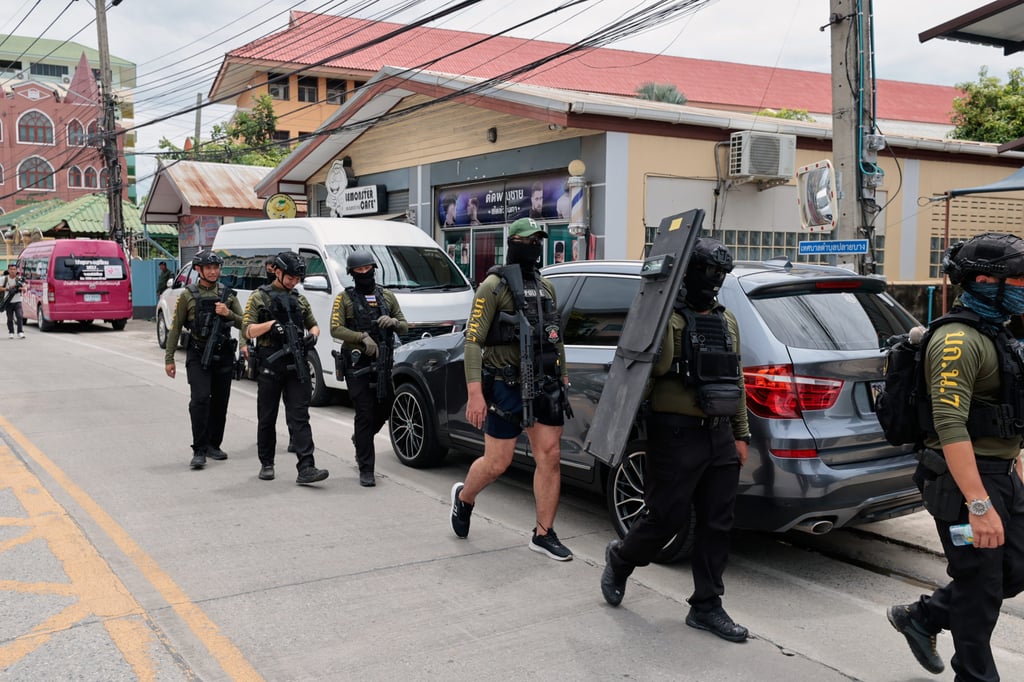
The trend went well beyond Malaysia’s borders, Munira wrote in an op-ed published by the Malay Mail. She pointed to three fatal school shootings in the Philippines during the second quarter of this year alone, as well as an August incident in Thailand in which a 14-year-old killed his grandparents before opening fire on teachers and classmates.
The TCC – best understood as a fandom organised around mass murderers – gained notoriety across Southeast Asia following last November’s bombing at State High School 72 in Jakarta. An investigation by Indonesian counterterrorism police found that the 17-year-old perpetrator had been influenced by the subculture.
“On the surface, these youths had no prior connections because of geographical distance and separate social circles,” Munira said. “Even so, apart from their age, what most of them had in common was claims of being victims of bullying, all the while nursing personal vendettas or suffering mental health crises.”
There was also another thing they all shared: “Each has either followed, immersed themselves in or taken part in an online subculture that valorises and adulates mass shooters,” she added. “The TCC dissects and disseminates violent content to study and learn from, [and members] are well-versed in the community’s coded language and dog whistles.”
These teenaged offenders were difficult to detect as they usually acted alone, often motivated by personal grievances that escalated into hatred towards society.
“They meticulously plan their targets, timing and locations, usually focusing on soft targets such as schools,” Munira said. “They release manifestos or live-stream their attacks to draw the attention of their subculture community.”
After a school shooting on September 18 at Banga National High School in the southern Philippine province of South Cotabato, police confirmed they were investigating links to the network.
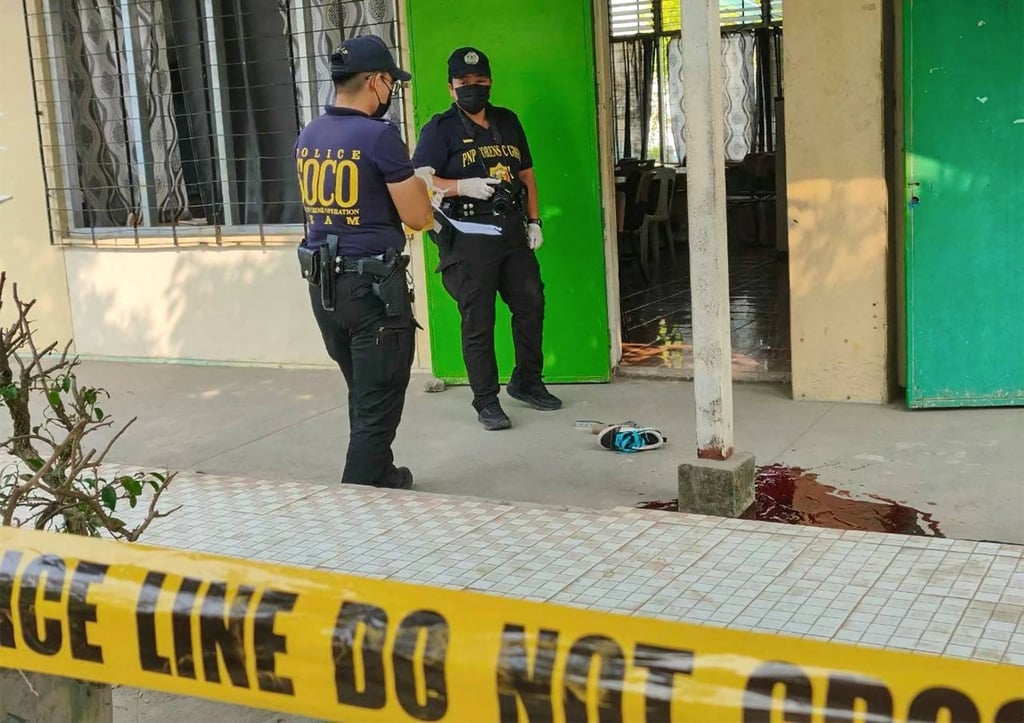
“The suspect … posted his manifesto, stating that he is a member of the True Crime Community,” police regional director Alan Bolongon Manibog told the Australian Broadcasting Corporation. In the document, the 16-year-old shooter referenced the Jakarta school bombing.
The subculture celebrated the recent Philippine school shootings, Angel Redoble of the Philippine Society of Cyber Security Professionals told the broadcaster.
“After every shooting, there is strong support and glorification on content platforms like TikTok, where the True Crime Community is,” he said.
Munira said school attacks could be prevented if schools, parents, authorities and students worked together, particularly as teenagers often seek attention from their peers before carrying out their plans.
“Prevention efforts require a high level of trust between students and teachers. Students must feel safe and confident that they will not face repercussions if they report a friend’s suspicious behaviour,” she said.
“At the same time, teachers and parents must be alert to behavioural changes and red flags, including monitoring who their children associate with online.”
KioskNews shows a cleaned-up reading view extracted from the publisher’s page — the original always lives on their site, not ours.