Outbreaks of bedbugs are becoming increasingly common. An expert says why

Insecticide resistance and increased travel could be fuelling a rise in bedbug infestations, experts have warned, after a plane was grounded and the pests were spotted on trains.
A Qantas flight from Italy to Australia was cancelled when passengers in the economy section complained to crew that they had been bitten by bedbugs.
The aircraft was grounded for a “deep clean” after the long-haul flight arrived in Rome. A spokesperson apologised for the cancellation.
Bedbugs were also spotted in two Southeastern train driver carriages in the UK, though none were found in passenger areas. The company said this was an “isolated” incident and they cleaned the trains before returning them to service.
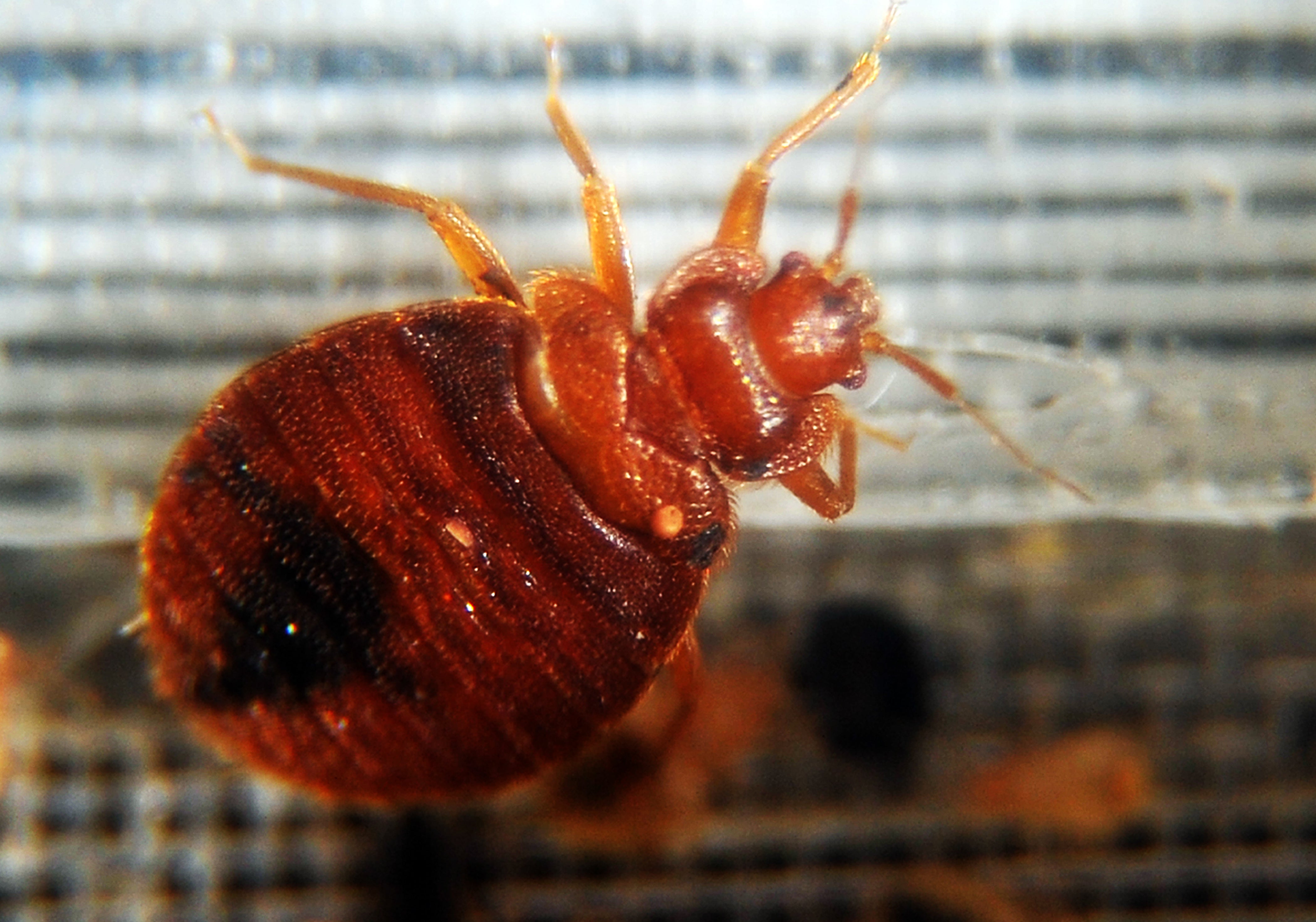
What do bedbugs look like?
Bedbugs are small reddish-brown coloured insects which do not have wings and are about the size and shape of an apple seed.
The nocturnal bugs hide during the day and come out at night to feed while people sleep. The bloodsuckers are drawn to body warmth and the carbon dioxide people exhale.
They ride in luggage, backpacks, coats and used furniture before settling where people sleep. Apartments and hotels with shared walls let them move between units, experts warn.
Are bedbug outbreaks increasing?
Cases of bedbugs are rising by about 20 per cent a year in London and other big European cities, a bedbug monitoring company has said.
The blood-sucking pests were seen in one in every 42 hotel rooms observed by Valpas, which produces bedbug traps and monitors, The Times reported.
It has also been reported by Metro that a London borough had to tackle 40 per cent more bedbug infestations this year, compared to the same period in 2025.
What is causing the rise?
Insecticide resistance and increased travel could be causing cases to rise.
“Public transport provides opportunities for bedbugs to move between locations because thousands of people use the same seating and storage areas,” James Rhoades, owner of ThermoPest Bedbug Treatment London, a London-based specialist bedbug treatment company, said.
“A passenger could unknowingly bring a bedbug onto a train or aircraft in their luggage. The insect could then move into a seat seam or another concealed area, potentially being picked up by someone else.”
But he stressed that despite the recent outbreaks, finding bedbugs on public transport is still very uncommon.
“Insecticide resistance is definitely growing; we are seeing this mostly in London, which is why we offer only heat treatments, since it's the most effective way to get rid of bedbugs, as they cannot survive heat,” Mr Rhoades added.
“With heat treatments, we heat the entire rooms up above 50C and hold that temperature for a number of hours. At this temperature, nothing can survive.”
Abhi Nav, a licensed exterminator and the owner of AstraHive Pest Control, added he sees many DIY treatments fail because the bugs can survive without feeding for months.
“Insecticide resistance is a legitimate concern, which is why a proper inspection and a multi-step treatment with follow-ups matter,” he said, explaining many surface spray treatments rarely work.
KioskNews shows a cleaned-up reading view extracted from the publisher’s page — the original always lives on their site, not ours.