What is ‘Made in Europe’? The scheme that Britain wants to be included in
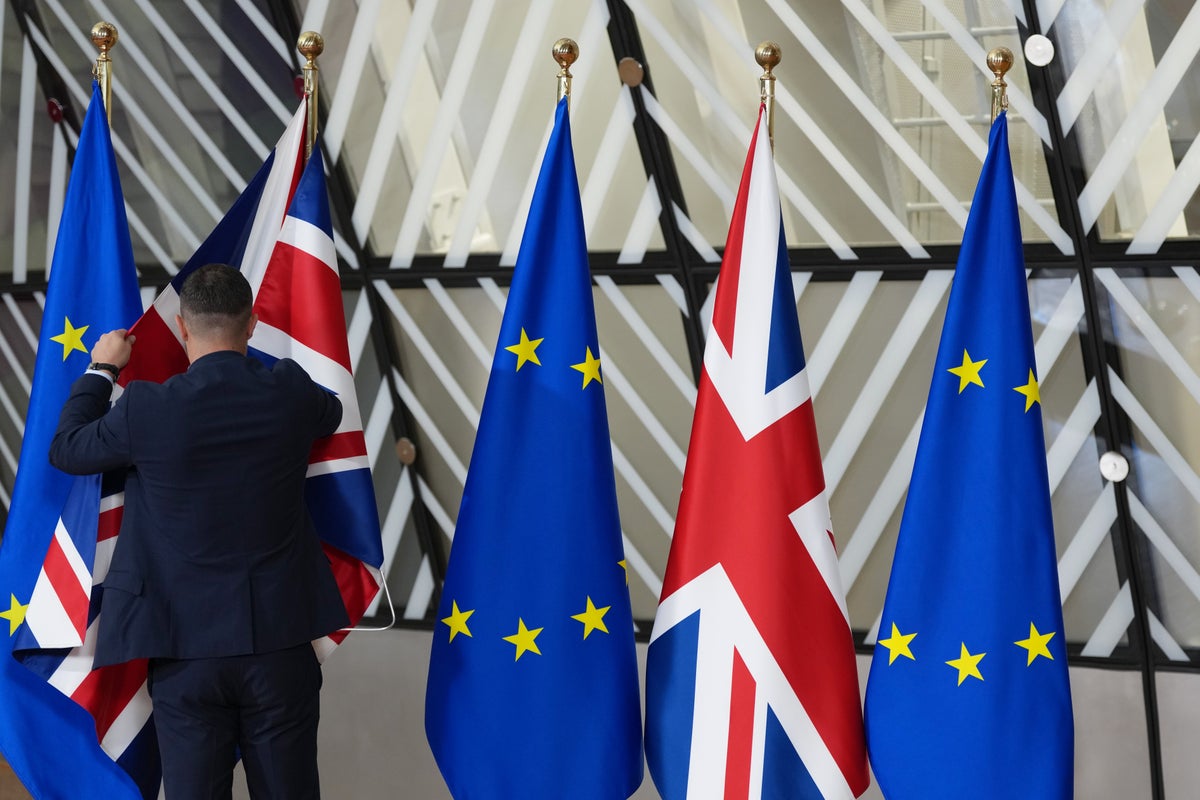
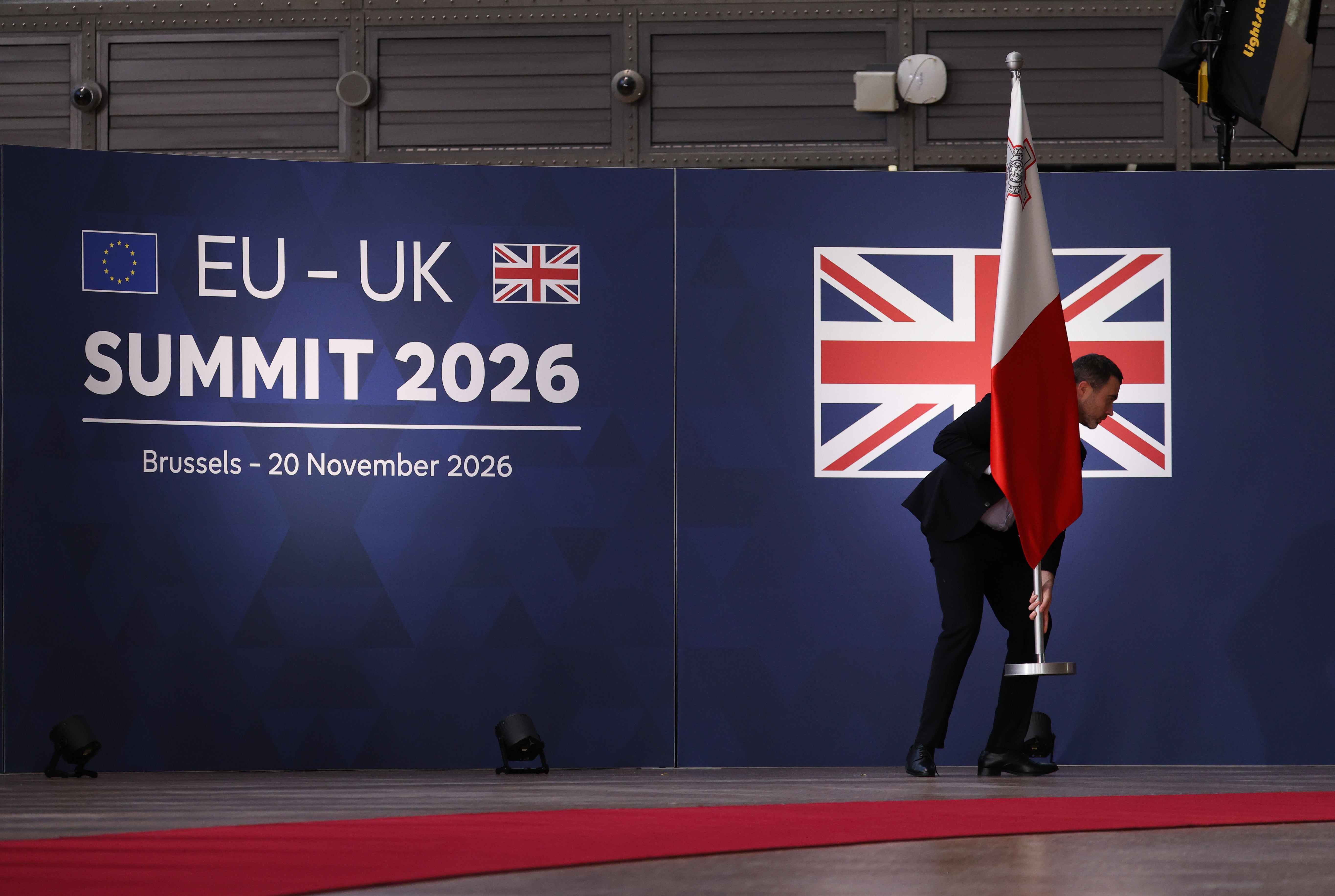
The UK and the European Union are set to agree on measures easing food trade and youth mobility at a summit on Friday. While marking a reset in ties, the gathering is likely to expose lingering divisions and long-term uncertainties over their relationship.
A decade after Britain voted to leave the 27-nation bloc, initial rancour has faded. Shared global challenges — including Russia's full-scale invasion of Ukraine, US tariffs, Chinese control of critical minerals and war in Iran — have underlined the necessity of a closer alliance.
Postponed from July following the resignation of Keir Starmer, Burnham's predecessor, the summit aims to address a portion of those economic losses through a package of agreements.
The most significant measure would permit cross-border trade in animals, plants and products such as seeds or sausages without current certificates and controls. British estimates indicate this could add up to £5.1 billion ($6.70 billion) a year to the economy.
Meanwhile, a key UK demand involves securing special status under the bloc's "Made in Europe" rules, notably for cars.
The EU has indicated willingness to grant this, provided Britain aligns with its policies, which could mean imposing tariffs on Chinese electric vehicles.
But what actually is the ‘Made in Europe’ scheme? Here, The Independent takes a closer look.
What is the ‘Made in Europe’ scheme?
The ‘Made in Europe’ scheme, currently moving through the European Parliament, aims to protect continental manufacturing from global competition.
Part of the Industrial Accelerator Act, the plan would offer EU firms priority for public contracts and subsidies.
The Industrial Accelerator Act itself is part of broader EU efforts to help local industries compete with producers abroad who do not face Europe's strict regulations and higher energy prices.
It is aimed in particular at reducing reliance on China, which dominates production of many green technologies, including most solar panel components.
However, defining ‘Made in Europe’ remains a point of discussion. Under the proposal, goods from the 27 member states, as well as single market partners Iceland, Liechtenstein and Norway, are covered.
Certain non-EU nations could also qualify if they grant reciprocal access to their public procurement and subsidy programmes, according to Reuters, while eligibility would usually be restricted to countries covered by WTO procurement rules or trade agreements with the bloc.
Why does the UK want to be part of ‘Made in Europe’?
Downing Street has previously said that inclusion in the EU’s “Made in Europe” scheme would be “good news” for Britain’s car industry.
Reports in October suggested France and Germany had put forward a proposal to allow the UK’s automotive industry to be included in the Industrial Accelerator Act.
But, as reported by The Guardian, inclusion would be conditional on Britain aligning with the EU’s position on tariffs for Chinese-made electric vehicles.
A No 10 spokeswoman said the Government would “welcome the objective to have the UK included in the Industrial Accelerator Act”.
She added: “This would be good news for the British automotive industry and the jobs and investment it supports across the UK.”
It comes after Prime Minister Andy Burnham told French President Emmanuel Macron in September that the “buy European” programme “could pose significant challenges” for UK industry.
Concerns had been raised that UK industries, including car manufacturing and steel, would suffer if the plan shut out British firms that trade across the UK-EU border.
KioskNews shows a cleaned-up reading view extracted from the publisher’s page — the original always lives on their site, not ours.