Turkey gets a glowup: how a Chinese BBQ spot remade the Thanksgiving bird
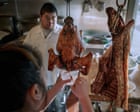
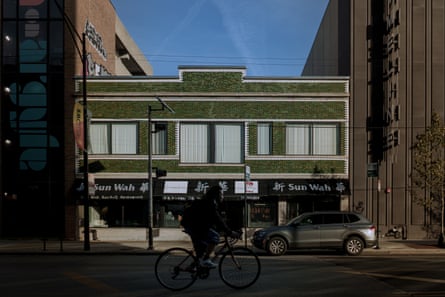
Behind an Uptown Chicago facade of glass and green-glazed bricks, rows of mahogany-red ducks glisten.
This neighborhood is sometimes called “New Chinatown”, sometimes “Little Vietnam”. And this tidy restaurant is Sun Wah BBQ, which Eric and Lynda Cheng opened in 1987. Today, it’s also an unlikely Thanksgiving destination.
Every November, customers bring their own turkeys to Sun Wah to be prepared in the style of a Hong Kong roast duck. This year, the Cheng family will roast close to 200 turkeys, thanks to a TikTok video that increased demand. But this annual tradition, turning pale workaday turkeys into gorgeously lacquered holiday centerpieces, began as an informal favor about two decades ago.
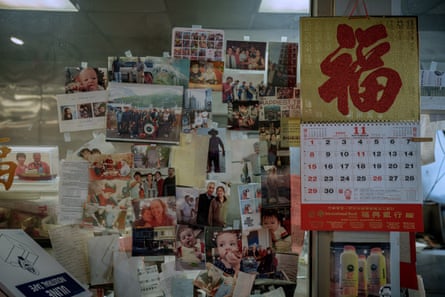
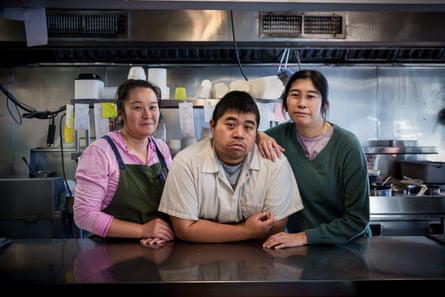
Bottom: Siblings Laura, Michael and Kelly Cheng, co-owners of their family’s restaurant, stand for a portrait in the kitchen at Sun Wah BBQ on 18 November.
Photograph: Jamie Kelter Davis/The GuardianThe first requests came from immigrant families in the neighborhood, recalled co-owner and manager Kelly Cheng, Eric and Lynda’s daughter. Eric had fled mainland China for Hong Kong in the 1970s, married Lynda, and apprenticed in Chinese barbecue, where meats are roasted in extremely hot ovens rather than smoked low and slow, like most American barbecue. The couple eventually settled in New York City, where Eric worked in Chinatown restaurants and opened his own. Then, on a visit to Chicago, the Chengs saw a gap: what they call the “food of emperors” was underrepresented in the city.
Another gap became apparent after the Chengs opened shop in the Windy City, this time between immigrant workers and their employers. Chinese, Vietnamese and Thai residents were often flummoxed by a holiday gift from their workplaces: turkeys for Thanksgiving and hams for Christmas. For many, the turkey was an unfamiliar bird – not to mention the full Thanksgiving spread.
“It came frozen, so they just stuck it back in the freezer,” said Kelly. “Come spring, they’re cleaning out their freezer and a lot of them shop at our restaurant, so they came in and were like, ‘Can you cook this?’ That’s how it started.”
At first, Sun Wah tried standard “American-style” oven-roasting and spatchcocking. The results were decidedly mixed: undercooked, overcooked, bland or oversalted. The family was upfront about their own inexperience: “We don’t know how, well, we’ll do it, but we’ll do it for you.”
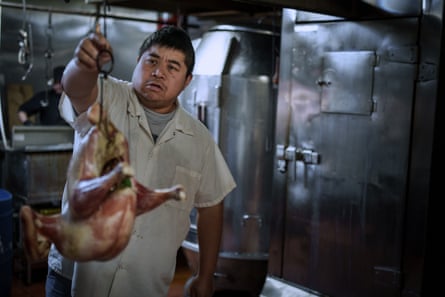
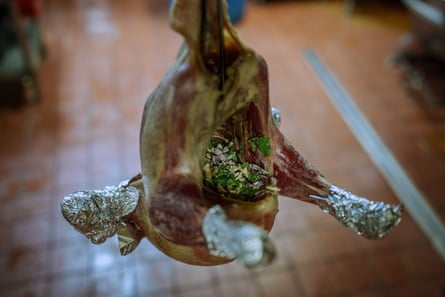
Bottom: A turkey prepared using the traditional peking duck method hangs from a hook alongside ducks.
Photograph: Jamie Kelter Davis/The GuardianOver time, the Chengs adapted Eric’s Chinese barbecue techniques for a much larger, less forgiving bird. “We’ll cook it Chinese-style, where it’s going to be a flavor we like,” said Kelly.
Roasted duck is a centuries-old culinary tradition in China. The Chengs specifically prepare their turkey in the Hong Kong- or Cantonese- style, where the bird is stuffed with aromatics, different from the peking duck method, where air is pushed under the fowl’s skin and the meat is expertly carved into thin slices. The Chengs treat the turkey’s cavity with bean paste, five-spice blend, cilantro, shallots and ginger, working a mixture of dry and wet seasonings into each bird before letting it air-dry for a day.
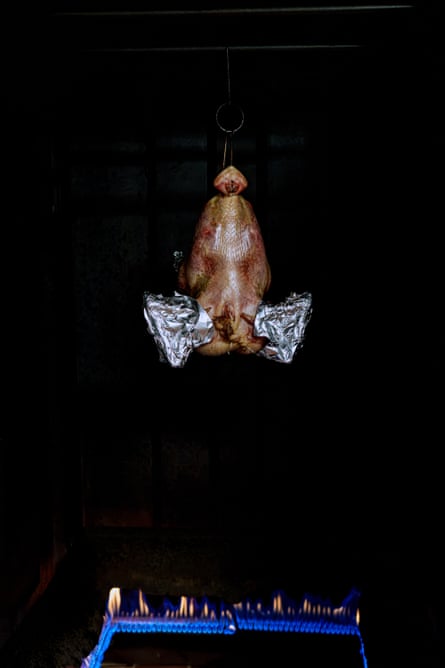
The turkeys then roast, hanging, inside the restaurant’s custom-built vertical vaults at 500F for two to four hours. The fat renders. The skin crisps. The meat stays succulently moist.
For years, Sun Wah’s turkey service managed to be both a neighborhood tradition and something of a local secret. TikTok, however, changed that.
Typically, the Chengs quietly begin taking orders online and by phone in early November, charging $8 per pound for a restaurant-supplied turkey customers will pick up around Thanksgiving or $5.50 per pound for customers who bring their own. This year, someone beat them to it.
The video came from Kate Bachman, a Chicago-based creator who shares apartment cooking, creative hosting ideas and neighborhood food discoveries. Bachman first tried Sun Wah’s turkey at a Friendsgiving two years earlier, hosted by a friend who dubbed the occasion “ThanksPeking”. The bird was so delicious she was still thinking about it two years later, when she hosted her own gathering and brought a turkey to Sun Wah herself.
“Especially when hosting in a small kitchen like I do, outsourcing the turkey makes timing the oven schedule way more manageable,” she said. She wanted to share the discovery with others who might appreciate a less stressful Thanksgiving.
But for Sun Wah, the unexpected publicity was a mixed blessing. The restaurant was flooded with calls from first-time customers. Longtime customers who had been bringing in their birds for 10 years were calling, hoping the Chengs could squeeze them in.
“That’s the power of social media,” Kelly said with a laugh.
Kelly didn’t grow up dreaming of running a restaurant. She jokes that she learned to manage one before finishing grade school, but after graduating college she wanted some distance from the family business. She thought she found it in Hong Kong.
“Only to find that halfway across the world, I’m sitting in my rented condo watching bootleg videos and thinking, ‘I am freaking bored,’” she said on a recent Friday afternoon in the Sun Wah dining room before dinner service. “I realized I missed the noise.”
Thanksgiving at the restaurant certainly provides it. For the Chengs, the holiday begins days early. On Thanksgiving morning, Kelly’s brother Michael has the ovens running by 4.30am; Kelly arrives a few hours later, and by 8:30, the restaurant’s dozen or so employees are working at full steam.
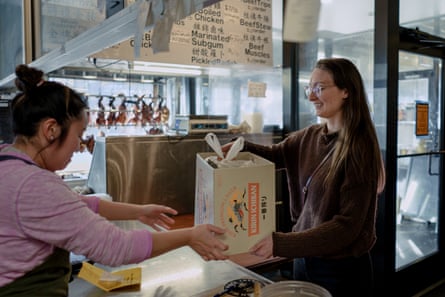
Bottom: Laura Cheng, co-owner of Sun Wah BBQ, hands customer Nikki Hadock her turkey. Hadock is serving the specially prepared turkey at a Friendsgiving gathering for the second year.
Photograph: Jamie Kelter Davis/The GuardianThe Thanksgiving roasting bonanza is a logistical juggling act that has prompted some disagreement within the family. Her semi-retired father, Eric, is enthusiastic about taking more orders. Kelly’s siblings, Michael and Laura, who still work in the kitchen as the barbecue chef and executive chef, are less convinced.
The restaurant remains open for dine-in and carry-out service. The roasting chambers turn out Chinese barbecue while the front kitchen keeps up with orders for noodles, congee and dim sum. Turkey customers may also order beef chow fun, Yang Chow fried rice, baby bok choy or potstickers.
Soon, they’ll file through the anise- and cinnamon-perfumed lobby, collecting their barbecued birds and heading home to bustling Thanksgiving tables. And what began as a practical solution for immigrant neighbors has become something larger: a Thanksgiving tradition embraced by longtime regulars and newcomers alike. In a city like Chicago, shaped by generations of immigration, Sun Wah’s turkeys are a reminder that American holiday traditions aren’t simply inherited. They’re adapted, reinvented and passed from one table to another.
The Chengs’ own holiday dinner comes later, perhaps over hot pot after the restaurant closes. Often, it came the following Sunday, when the family gathered at her grandmother’s house.
There, Kelly’s grandmother made congee from the leftover roasted bird. The bones gave the rice porridge a deeply savory flavor, and she added soft, boiled peanuts because Kelly’s grandfather loved them.
“It wasn’t my favorite kind of congee,” Kelly recalled. But it was the flavor that mattered. “You can’t top roasted turkey congee.”
The Guardian’s Feast app brings flavors from around the globe to your table, with more than 7,000 recipes spanning dozens of cuisines, each curated by food experts who truly know them.
KioskNews shows a cleaned-up reading view extracted from the publisher’s page — the original always lives on their site, not ours.