SHS placement: Catholic Bishops demand probe into alleged payments for school places
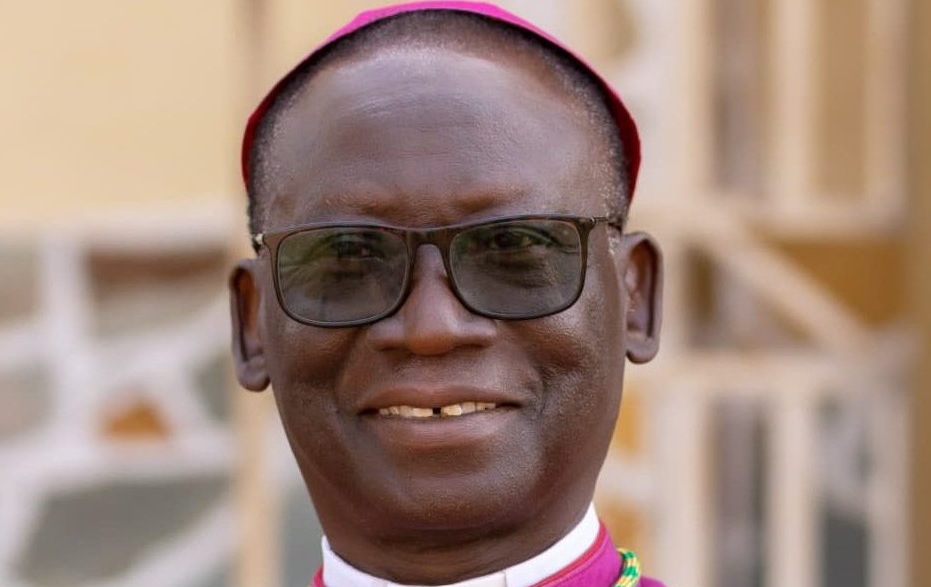
President of the Ghana Catholic Bishops’ Conference, Most Rev. Matthew Kwasi Gyamf
The Ghana Catholic Bishops’ Conference has called for an independent investigation into allegations that parents are being asked to pay money to secure senior high school places for their children.
The Bishops say such allegations raise serious concerns about the integrity and fairness of Ghana’s computerised school placement system.
In a statement on Monday, the Conference said the annual placement process continues to generate anxiety, disappointment and allegations of unfairness among students, parents and the wider public.
It stressed that education is a fundamental right and no child should be unfairly denied access to a suitable school, manipulated or humiliated during the placement process.
The Bishops were particularly concerned about reports that parents are being asked to pay to secure placements.
“If placement is meant to be free, no official, agent, or intermediary should request or accept payment for it.”
They said the allegations must be investigated and anyone found responsible should face disciplinary action and, where necessary, criminal charges.
The Conference, however, cautioned against allowing unproven accusations to damage the reputations of honest public servants.
It also demanded clarity over the practice of so-called “protocol” admissions, particularly where places in highly sought-after schools are allegedly set aside through discretionary arrangements.
The Bishops want the public to know the legal basis for such arrangements, the number of places involved, the criteria used and those responsible for the decisions.
“No placement system can inspire confidence if parents believe that money, connections, or influence can secure places unavailable to more deserving but less privileged children.”
The Conference said the computerised placement system was introduced to promote fairness, efficiency and equal access. However, recurring difficulties make an independent review necessary.
Of the 604,567 candidates who qualified for placement this year, 527,932 had been placed by the time the results were released.
The Bishops also raised concerns about students being placed in schools unsuitable for their sex, disability, circumstances or location.
They said no student should be placed in a day school so far from home that daily attendance becomes unreasonable, costly or unsafe.
Students with disabilities, they added, should be placed in schools equipped to meet their needs, while genuine placement errors must be corrected quickly through accessible channels.
The Bishops want the placement system examined by independent technical experts, with the main findings made public.
They are also calling for a stronger appeals process, with clear steps and time limits, and priority given to cases involving sex, disability, medical needs, serious distance difficulties and administrative errors.
The Conference further wants greater transparency on the factors determining placement, including examination scores, programme choices, cut-offs or rankings and available places.
It said the government should also consider appointing an independent official to resolve complaints that cannot be settled through ordinary channels.
The Bishops concluded that technology can support fairness but cannot replace human responsibility in determining whether a placement outcome is educationally sound and morally right.
DISCLAIMER: The Views, Comments, Opinions, Contributions and Statements made by Readers and Contributors on this platform do not necessarily represent the views or policy of Multimedia Group Limited.
Tags:
DISCLAIMER: The Views, Comments, Opinions, Contributions and Statements made by Readers and Contributors on this platform do not necessarily represent the views or policy of Multimedia Group Limited.
KioskNews shows a cleaned-up reading view extracted from the publisher’s page — the original always lives on their site, not ours.