Democratic rights curtailed during Emergency, but it was done constitutionally: Sonia Gandhi
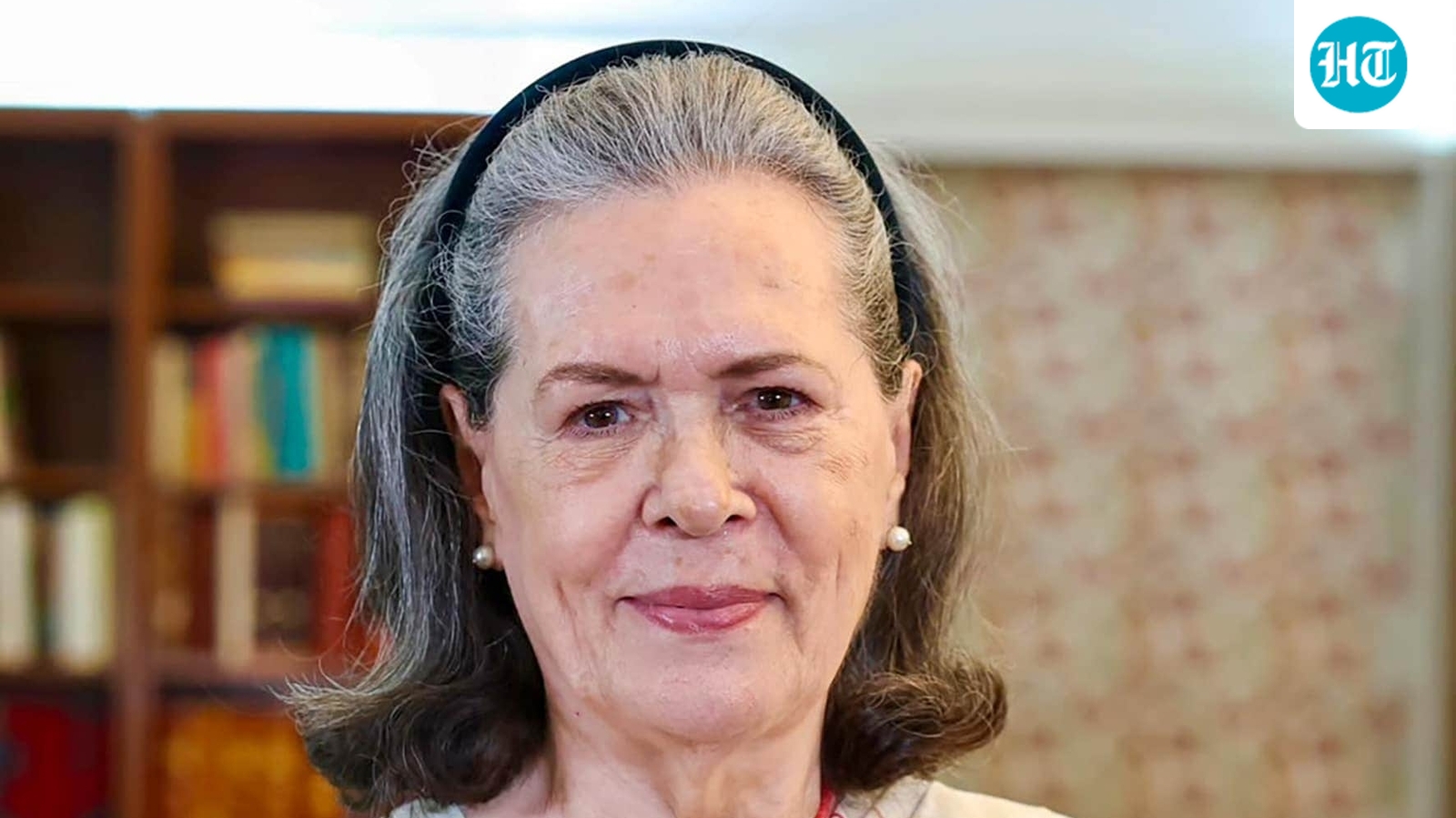
Weighing in on the Emergency, Congress Parliamentary Party chairperson Sonia Gandhi has said democratic rights had been curtailed but it was done constitutionally, and when she sees from Indira Gandhi's point of view, the then prime minister was struggling to cope with the rapidly deteriorating prevailing circumstances including widespread organised unrest.
In an interview published in The Hindu on Saturday ahead of the launch of her book, 'Belonging: A Journey of Love', Gandhi also said that hindsight allows people to put things better in perspective and pointed out that Indira Gandhi herself later publicly expressed regret and apologised for excesses during the Emergency.
Asked about Sanjay Gandhi's name becoming synonymous with the Emergency, and whether the excesses of that time could have been avoided had Indira Gandhi listened to her elder son Rajiv and to others, Sonia Gandhi said, "It was not only Sanjay, though in the public mind he is often seen as synonymous with the Emergency. There was a lot of pressure from some of her senior colleagues, and I think there were very few people around her like Rajiv who had a different point of view."
Also Read | ‘Great damage to India in 12 years’: Sonia Gandhi’s dig at govt ahead of book launch
"I think eventually my mother-in-law began to understand the situation through her own wisdom and took actions to remedy it," she said.
"It was only after the Emergency that I came to know the true gravity of what had been happening. Yes, democratic rights had been curtailed and there was a suspension of habeas corpus, but it was done constitutionally," the former Congress chief said.
"Yet, when I take myself back to that period and try and see it from Mrs Gandhi's point of view, I see her struggling to cope with the rapidly deteriorating prevailing circumstances: violent protests, government offices and public transport set on fire, widespread organised unrest and even a call for the bureaucracy and armed forces to disobey orders," Gandhi said.
Hindsight allows us to put things better in perspective, she said.
Sonia Gandhi pointed out that Indira herself came to recognise what was happening and called for the March 1977 election.
Also Read | ‘People may change their view about me’: Sonia Gandhi expects ‘tamasha’ after ‘Belonging’ release
"And you know very well that she herself later publicly expressed regret and apologised for excesses during the Emergency," the former Congress chief said.
Emergency was imposed by then Prime Minister Indira Gandhi just before midnight of June 25, 1975.
President Fakhruddin Ali Ahmed issued the proclamation at Gandhi's behest that was later ratified by the Union Cabinet.
On January 18, 1977, Indira Gandhi called for fresh elections and released all political prisoners.
On March 16, 1977, Indira Gandhi and her son Sanjay Gandhi were defeated in Lok Sabha elections and on March 21 that year, the Emergency officially came to an end.
The BJP has strongly criticised the Congress over the Emergency, calling it a "murder of democracy".
The Modi government has been observing 'Samvidhan Hatya Diwas' to mark the "dark phase" in Indian democracy.
KioskNews shows a cleaned-up reading view extracted from the publisher’s page — the original always lives on their site, not ours.