Malaysian regulator sues Google for US$146m over ‘harmful’ online content

Malaysia’s internet regulator has filed two lawsuits against Google seeking a combined 600 million ringgit (US$146 million) in damages over the US technology giant’s alleged failure to address harmful content on YouTube, including online gambling, scams and allegedly defamatory videos by a government critic.
The lawsuits come nearly a year after Malaysia brought major social media platforms, including YouTube, under its licensing regime as part of the government’s efforts to hold technology companies legally accountable for harmful material circulating on their platforms, particularly content accessible to children.
The Malaysian Communications and Multimedia Commission (MCMC) on Wednesday said it was seeking 300 million ringgit in each lawsuit, comprising equal amounts in general, aggravated and exemplary damages.
“The damages sought are intended to remedy the substantial resources and manpower expended in addressing more than 50,000 harmful online contents arising from Google’s systemic failure and to ensure a safe social media platform,” the commission said.
“The claims also reflect the gravity of the alleged violations, the need to hold a global technology corporation accountable, and to act as an effective deterrent against future non-compliance.”

Between January 1 and October 28 this year, the regulator submitted 74,703 reports to YouTube, of which 99.8 per cent concerned online gambling.
Fewer than half of the gambling-related reports received a response or resulted in content removal within 24 hours, nearly 5,000 went unanswered and 35 took more than 90 days to elicit a response or takedown.
The second lawsuit concerns the republication of allegedly false and defamatory material by Malaysian political blogger Wan Muhammad Azri Wan Deris, better known as Papagomo, despite an interim injunction issued by the Kuala Lumpur High Court in June.
According to court documents cited by national news agency Bernama, MCMC is also seeking an order compelling Google to maintain the suspension of the blogger’s YouTube account and remove similar content within 24 hours, including material published through third-party accounts.
This Week in Asia has reached out to Google for comment.
Digital reckoning
Benjamin Loh, a media studies lecturer at Monash University Malaysia, described the lawsuits as a “very significant move” but questioned the regulator’s decision to pursue litigation rather than enforcement through its licensing system, which “was supposed to be the main point of it”.
He said the lawsuits could compel global technology companies to take their obligations in smaller markets more seriously. “It’s good that the government is taking these platform owners to task,” Loh told This Week in Asia.
Malaysia’s Online Safety Act came into force in January, imposing obligations on digital platforms to protect users against harmful material, including child sexual abuse content, financial fraud and cyberbullying.
In June, Malaysia joined Australia and neighbouring Indonesia in imposing age restrictions on social media, barring children under 16 from opening their own accounts on platforms including YouTube, Facebook, Instagram and TikTok.
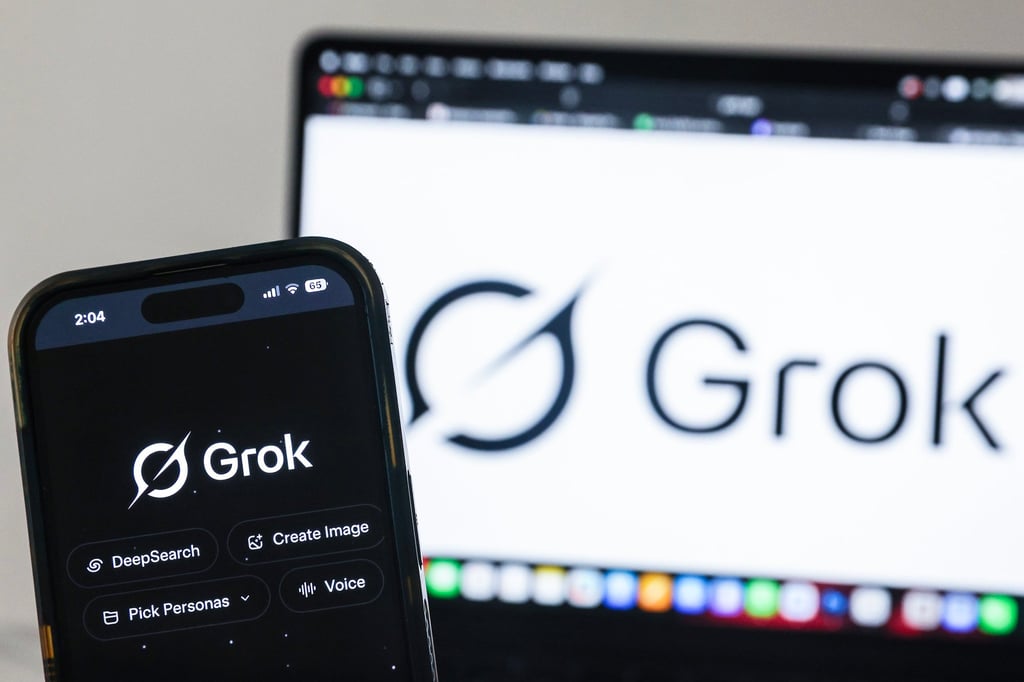
MCMC initiated civil proceedings against messaging platform Telegram in June last year over allegedly unlawful content circulated through two channels. In January, it also announced plans to pursue legal action against Elon Musk’s X and artificial intelligence company xAI over safety concerns involving its chatbot Grok.
Loh said he had mixed feelings about the precedent the lawsuits against Google could set.
“On the one hand, the issues related to online gambling should be addressed, but the inclusion of an anti-government critic in the lawsuit does raise some concerns of government overreach and clamping down on freedom of speech,” he said.
KioskNews shows a cleaned-up reading view extracted from the publisher’s page — the original always lives on their site, not ours.