Nasa’s Voyager 1 to make history by reaching a light-day from Earth
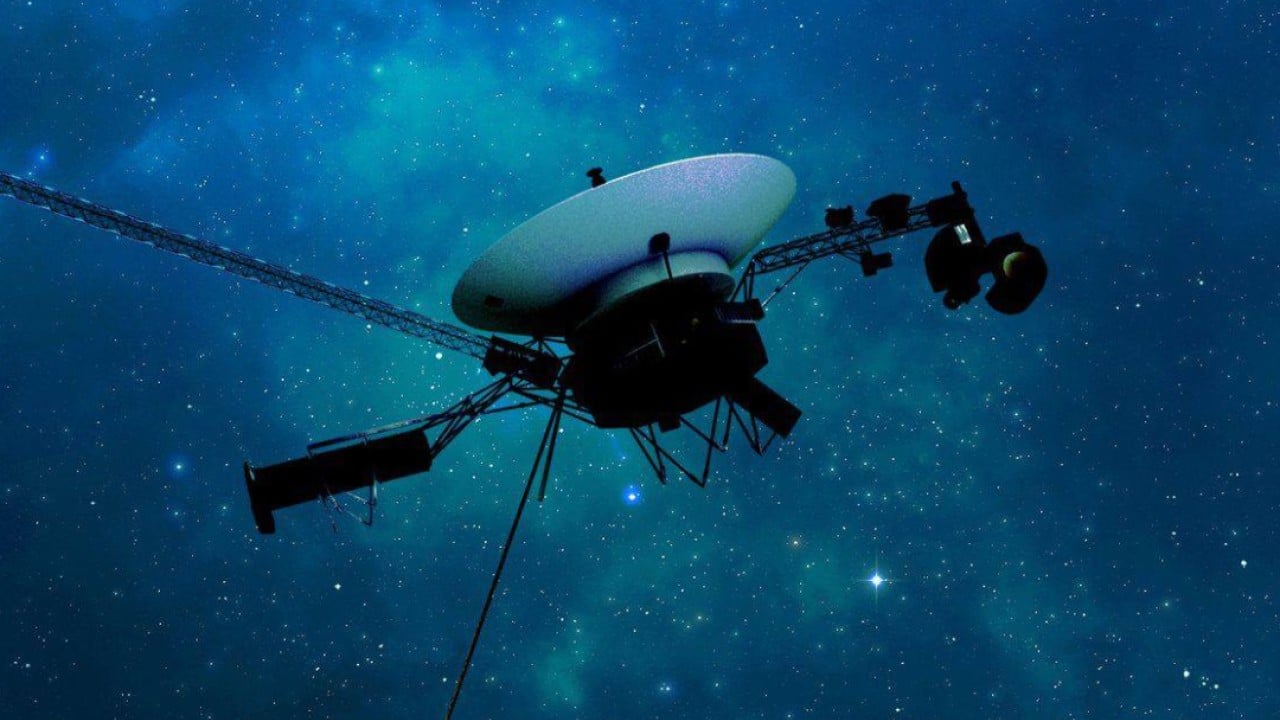
On Wednesday, November 18, almost half a century after it lifted off from Cape Canaveral, the Voyager 1 spacecraft will cross a technological and astronomical milestone when it hurtles beyond one light-day’s travel time from Earth.
It’s also a 26-billion-kilometre milestone, as that is the approximate distance light covers in 24 hours and how far Voyager 1 has now travelled in what Nasa has described as an “epic” journey since launching on September 5, 1977.
The approximately 800kg probe with its 3.7-metre dish will reach one light-day on Wednesday, seven seconds after clocks hit 5.16am on the US east coast (6.16pm Hong Kong time).
To put the 26-billion-kilometre distance in perspective, Voyager 1 flew past Jupiter as far back as 1979 before swinging by Saturn the following year. A manned spacecraft such as those used to travel to the moon – or, as some hope, to Mars – could take up to six years to get to Jupiter, depending on orbits.
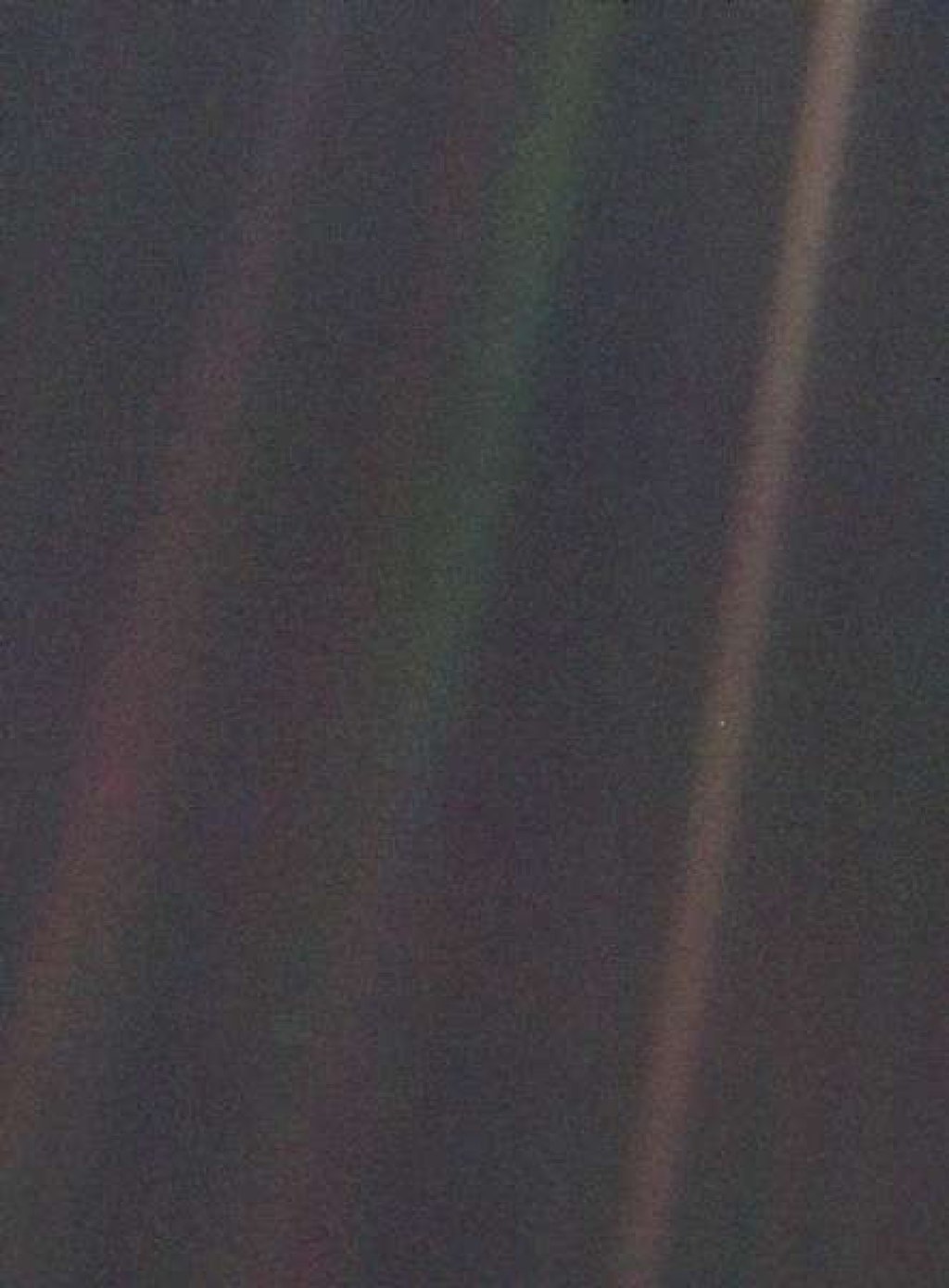
Besides venturing further than any other human-made object, Voyager 1 in 1990 snapped the most distant picture of Earth: the iconic “Pale Blue Dot” as seen from beyond Neptune.
A further landmark – or spacemark really – was reached in 2012 when it crossed out of the solar system and into interstellar space.
It then took the spacecraft 14 years to get from exiting the solar system to a final approach to one light-day away.
Slow? Hardly. Voyager 1 has been careering through the void at around 61,000km/h – fast enough to reach the moon in about seven hours or circle the Earth in the time it takes to play half a football match.
But even at such velocity, it would take Voyager 1 up to 75,000 years to reach the nearest star to Earth aside from the sun. At 4.25 light-years away, Proxima Centauri is a neighbour in interstellar terms. But while those light-years can be counted on a hand, they add up to almost 40 trillion kilometres.
In any case, Voyager 1 is not headed in the direction of Proxima Centauri. Instead, according to Nasa, it will pass within about 1.7 light-years of Gliese 445, a star in the Ursa Minor constellation, also known as the Little Bear or the Little Dipper, which can be caught at a glance by any amateur night-sky watcher.
That milestone won’t come for about 40,000 years, so don’t wait up.
But there is another space breakthrough to look forward to that does not entail a wait time amounting to multiples of recorded human history.
Voyager 2, which was launched two weeks earlier than Voyager 1 but was dispatched on a more roundabout route taking in Uranus and Neptune, will cross the light-day threshold in about nine years from now.
KioskNews shows a cleaned-up reading view extracted from the publisher’s page — the original always lives on their site, not ours.