The 10 Greatest Thrillers Based on Books, Ranked

Ryan Heffernan is a Senior Writer at Collider. Storytelling has been one of his interests since an early age, with his appreciation for film and television becoming a particular interest of his during his teenage years.
This passion saw Ryan graduate from the University of Canberra in 2020 with an Honours Degree in Film Production. In the years since, he has found freelance work as a videographer and editor in the Canberra region while also becoming entrenched in the city's film-making community.
In addition to cinema and writing, Ryan's other major interest is sport, with him having a particular love for Australian Rules football, Formula 1, and cricket. He also has casual interests in reading, gaming, and history.
A fun fact for any movie trivia buffs out there: the first-ever adaptation cinema presented of a novel came in the form of the now-lost 45-second short Trilby and Little Billee in 1896. Needless to say, the medium has changed a lot in the 130 years since its release, but filmmakers continue to draw inspiration directly from the pages of literature. Fantasy has reveled in the realization of J. R. R. Tolkien’s The Lord of the Rings epics, and science fiction has enjoyed the adaptations of everything from 2001: A Space Odyssey to Dune. Still, few genres have struck gold so prolifically through translating page to screen as the thriller.
The marriage of cerebral storytelling suspense with the atmospheric allure of a visual display has worked wonders in everything from old-school film noir to morbid, murderous marvels of the modern day. Whether they are outstanding adaptations of equally outstanding books or revered classics that improve upon their source material, these thrillers are the absolute best to have found their origin in the form of novels.
10 'Gone Girl' (2014)

Standing as one of the most renowned novel adaptations of the 21st century so far, Gone Girl brings Gillian Flynn’s macabre story of marriage toxicity and manipulation to the screen as a uniquely haunting yet hypnotic viewing experience. What begins as a probing missing persons case, with Nick Dunne (Ben Affleck) returning home to find the house trashed and his wife gone, slowly turns into a dread-inducing descent into the nature of the Dunnes’ relationship and a scorching critique of media circus sensationalism.
The precision of David Fincher’s direction is a triumph, his technically perfect yet icy-cold visual aesthetic beautifully mimicking the tone of the Dunne marriage. The icing on the cake is Rosamund Pike’s exceptional performance. She plays Amy Dunne as the epitome of wicked cunning, a ruthless and unpredictable villainess hellbent on making Nick pay for his slights against her. Gone Girl has an edge of psychotic suspense that makes it one of the defining movies of the 2010s as well as one of the best thrillers in recent decades.
9 'The Prestige' (2006)
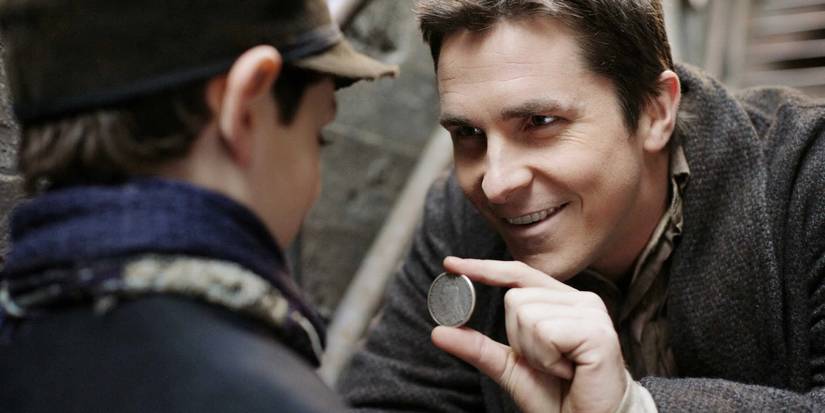
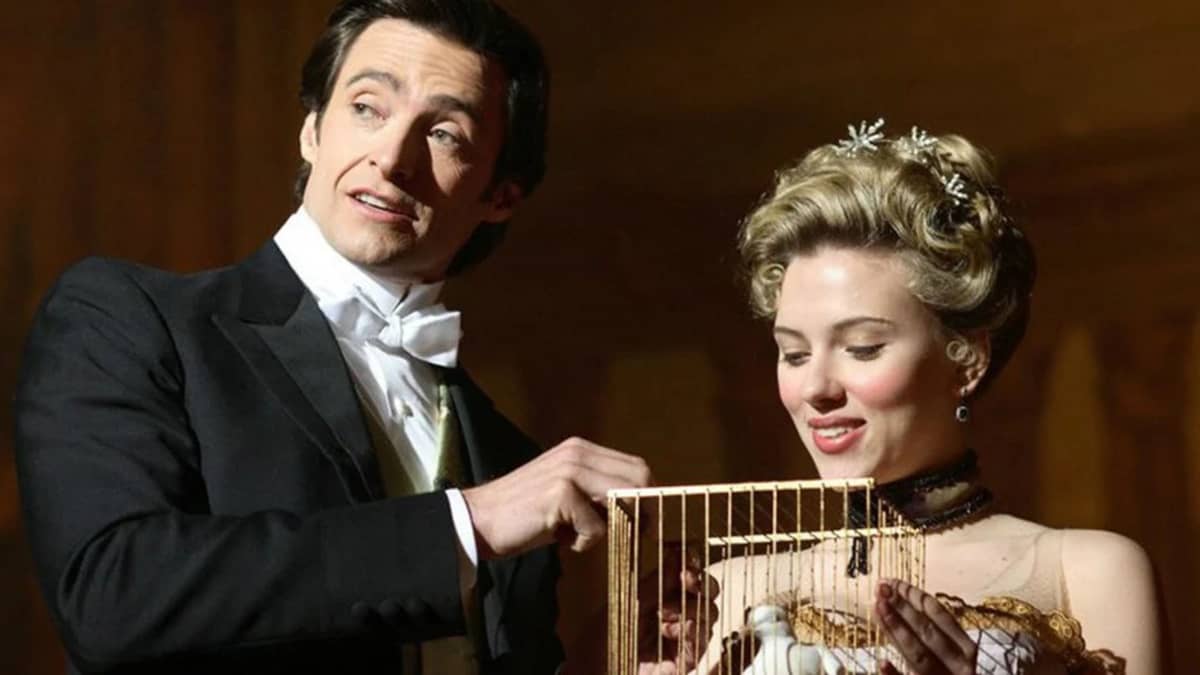
Nestled between the releases of Batman Begins and The Dark Knight, The Prestige might just stand as the most overlooked gem in Christopher Nolan’s filmography. Interestingly, the movie is quite close to Christopher Priest’s 1995 novel in terms of themes and concept, but its structure, pacing, and execution are completely different. The changes work to the film’s advantage, though, bringing the late 19th-century magician rivalry to the screen with a sense of gravitas that permeates throughout the entire picture.
In true Nolan fashion, The Prestige incorporates a vibrant non-linear structure as it explores the hostilities between Robert Angier (Hugh Jackman) and Alfred Borden (Christian Bale). It unfurls like a magician’s trick. It presents normality, immerses viewers in an extraordinary tale of revenge, then ends with a series of revelations that completely recontextualize the story. That it does all this while always staying in complete control of the simmering tension is sublime, making The Prestige one of the best thrillers of the century.
8 'The Night of the Hunter' (1955)

In 1953, David Grubb’s debut novel was published, becoming a critically acclaimed bestseller and launching an impressive career for Grubb. Unfortunately, Charles Laughton’s sole directorial effort didn’t fare so well with audiences and critics. The tragedy here is that it is a masterpiece of adaptation as well as being an outstanding movie in its own right, remaining completely faithful to Grubb’s book while realizing the story with one of the most astonishing visual displays cinema has ever seen.
The macabre story follows Harry Powell (Robert Mitchum), a serial killer who poses as a priest to get close to the widow and family of a recently executed bank robber to find out where the crook stashed the money. Mitchum is phenomenal as the vile protagonist, his predatory, calculating evil clashing with the innocent yet fierce conviction of the children who refuse to yield to him. Hints of German Expressionism, Southern Gothic gloom, and the stark shadows of film noir imbue The Night of the Hunter with an air of mythic grandeur.
7 'High and Low' (1963)
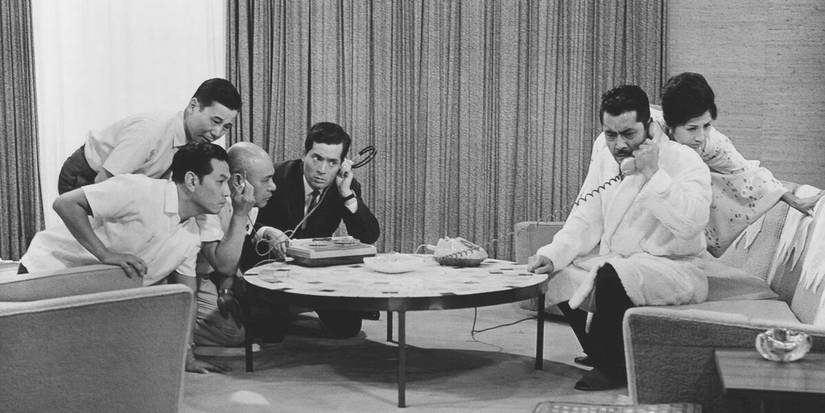
Blending moral drama, police procedural tension, and sprawling social commentary together with aplomb, High and Low is one of many enduring epic masterpieces of Akira Kurosawa’s career. It is undeniably his best thriller, starting as an intricate look at capitalist ambition and moral duty. The young son of Kingo Gondō’s (Toshirō Mifune) chauffeur is abducted and held for ransom. The first half of the movie transpires entirely in the Gondō household, with Kingo’s ambitious business transaction to be sacrificed if he agrees to pay the kidnappers.
The claustrophobic intensity gives way to city-spanning grandiosity at the midpoint, with the second half of the movie revolving around the police’s efforts to apprehend the criminal. Only the first half of the movie adheres to Ed McBain’s original novel, King’s Random, but Kurosawa’s evolution of the source material is an improvement, not only adding a greater sense of perspective and scope to the story, but expanding on the theme of class disparity as well. High and Low proves that McBein’s story belongs on the screen.
6 'Double Indemnity' (1944)
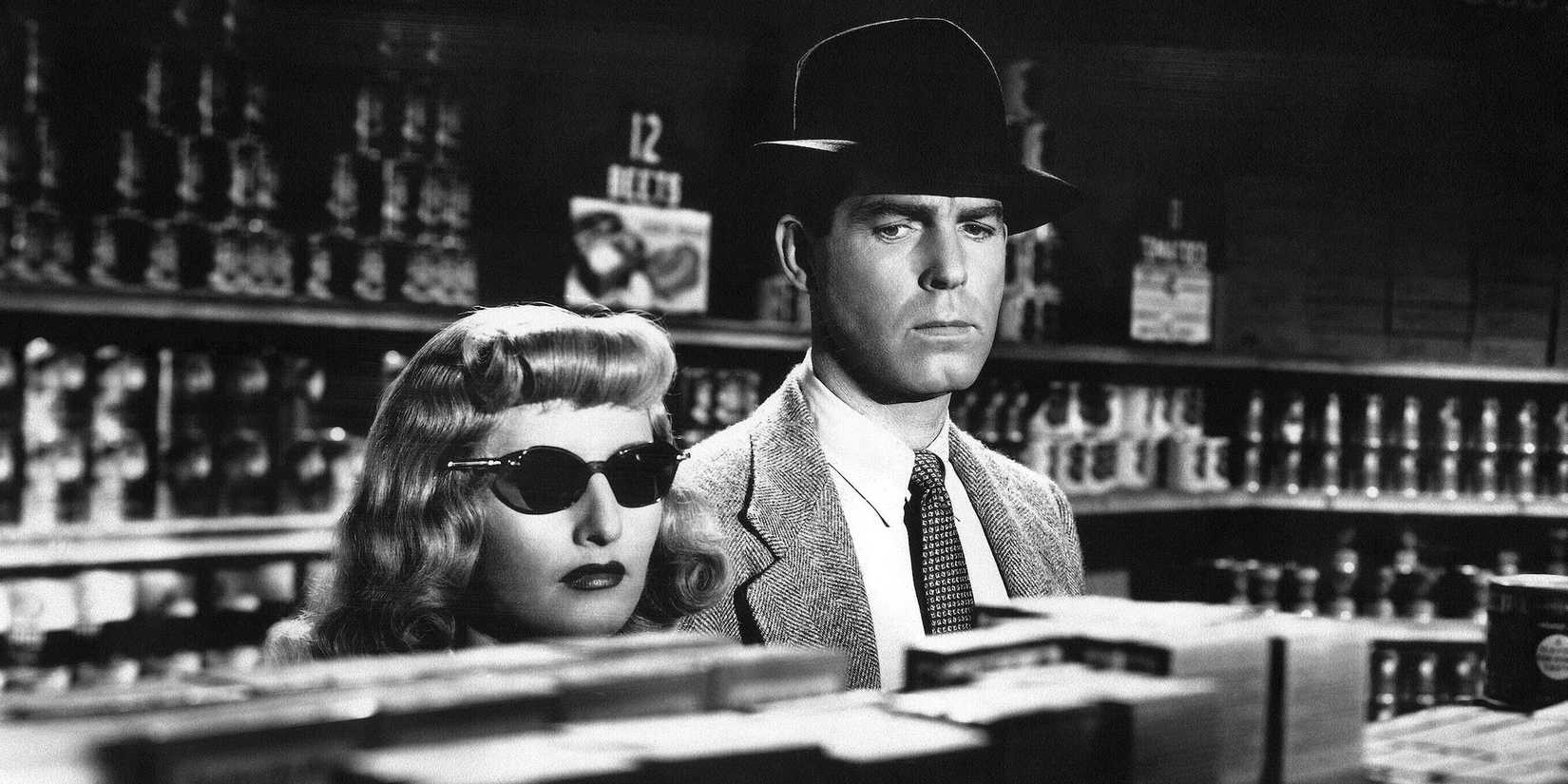
Film noir seems a uniquely cinematic form of storytelling, but many of the genre’s defining classics are adaptations of novels. This is true of The Maltese Falcon, The Big Sleep, and Laura, but the very best is Billy Wilder’s infectiously wicked crime caper, Double Indemnity. It revels in a sense of moral bankruptcy, unfolding as mortally wounded insurance salesman Walter Neff (Fred MacMurray) records a confession of his murderous plot with Phyllis Dietrichson (Barbara Stanwyck) to kill her husband and claim the life insurance payout.
From the first scene, audiences know Neff’s nefarious ploy is going to backfire at some point, but that knowledge only heightens the stakes. Dietrichson’s alluring villainy feels wicked and damning, and the investigation of Barton Keyes (Edward G. Robinson) looms large over Neff’s grandest aspirations. Interestingly, Double Indemnity is a rare case where film censorship may have aided a movie, with the changes made to subdue the extremity of James M. Cain's novel resulting in a sharper, cleaner ending and a more accessible tone.
5 'Children of Men' (2006)
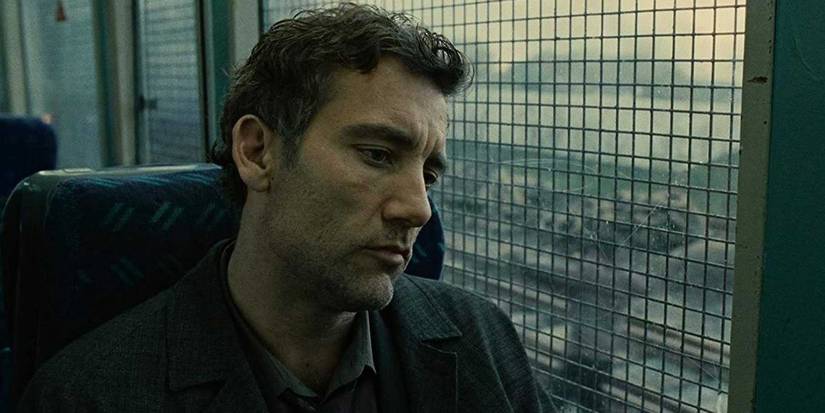
A loose adaptation at best, Children of Men takes the core premise of P. D. James’ dystopian novel, but completely reinvents its plot points, character dynamics, and thematic focus. This is always a dangerous path to take when bringing a book to the screen, but under the careful eye of Alfonso Cuarón, it proves to be inspired, with many believing the film outshines the novel in terms of philosophical depth, visceral worldbuilding, and emotional impact.
Set in a near-future where humanity has lost the ability to procreate, a former political activist is called upon by his ex-wife and past colleague to escort the first pregnant woman in 18 years through England’s crumbling civilization to a supposed safe harbor at sea. Every ounce of this existential dread is felt, especially as Cuarón’s kinetic style mixes with a sense of tragedy and despair, conjuring a palpable feeling of resignation in every single scene. The result is not only an outstanding dystopian thriller, but one of the most underrated movies of all time as well.
4 'No Country for Old Men' (2007)
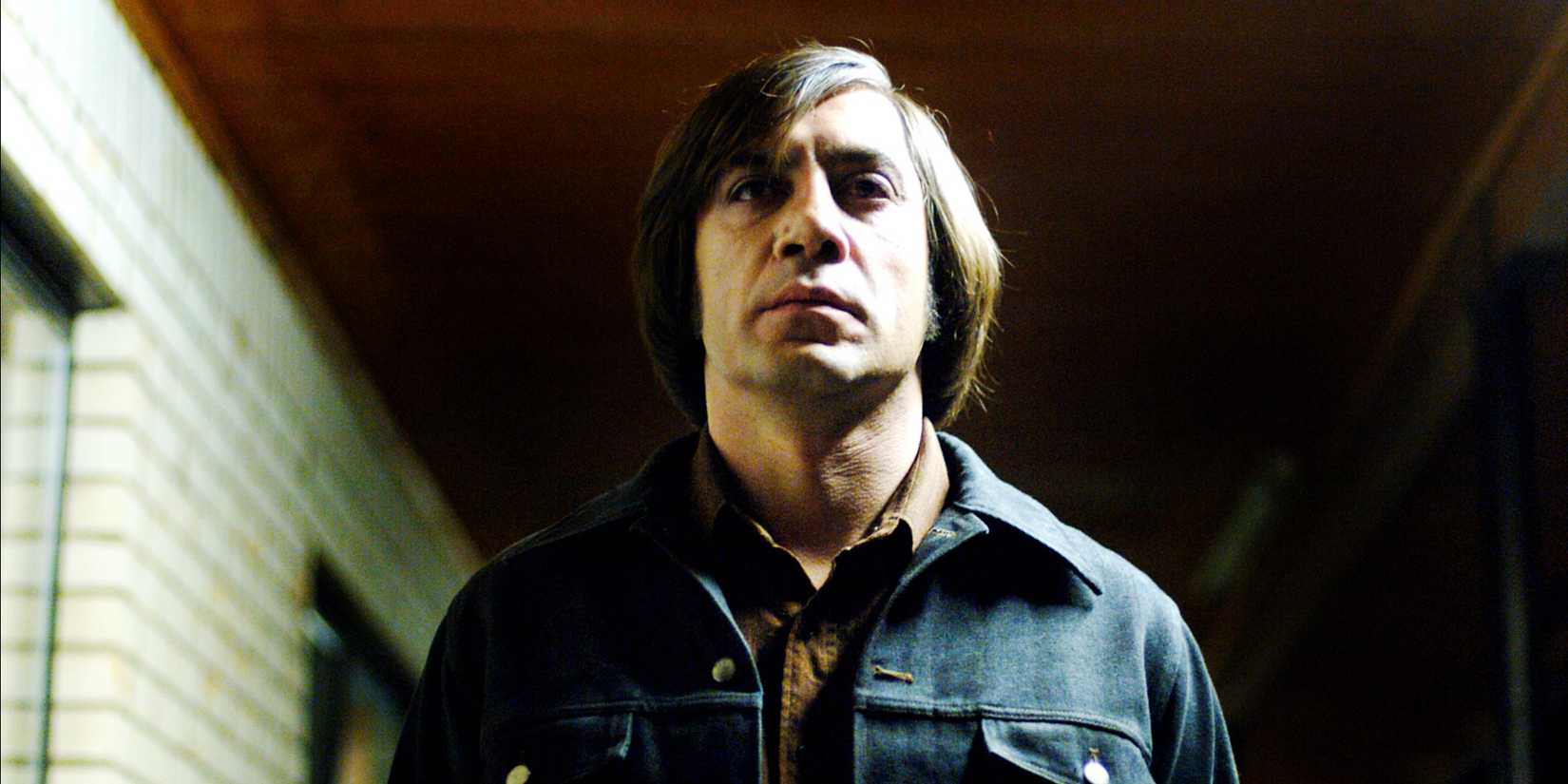
The 21st century has seen a number of adaptations of books that were long considered to be unadaptable. Few are as true to the source material as No Country for Old Men, with the Coen Brothers excelling at translating Cormac McCarthy’s neo-Western noir thriller to the screen even with its unusual narrative structure, prolific use of internal monologue, and stark defiance of Hollywood conventions. The Coens turn these obstacles into strengths, using silence and subversion to conjure one of the most relentlessly and fiendishly intelligent thrillers ever made.
It is a masterclass in show-don’t-tell storytelling. Characters enact their plans to outwit each other in silence, and the film trusts viewers to be sharp enough to put two and two together to deduce what is being achieved. This engrossing, attention-grabbing approach works beautifully in tandem with the sparse hostility of the film’s atmosphere and Javier Bardem’s imposing performance as the psychotic hitman Anton Chigurh. The few deviations the Coens do make from McCarthy’s novel are perfectly suited to the screen.
3 'The Silence of the Lambs' (1991)
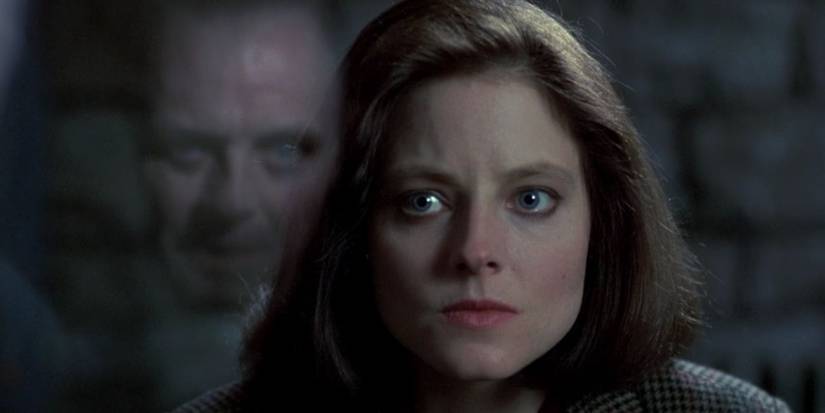
The 1990s are one of the greatest eras for suspense cinema, making it all the more impressive that The Silence of the Lambs stands tall as the finest movie the genre saw across the decade. As an adaptation, it thrives at streamlining the main story by cutting away superfluous subplots, focusing entirely on FBI cadet Clarice Starling’s (Jodie Foster) psychological cat-and-mouse game with detained cannibalistic serial killer and psychological genius Dr. Hannibal Lecter (Anthony Hopkins).
The tension of Thomas Harris’ pulsating novel is realized through the brilliance of the two lead performances as well as Jonathan Demme’s astute direction, an uneasy mixture of invasive intimacy and restraint that stokes imagined horrors. The Silence of the Lambs is chilling at its most intense moments, but it is truly captivating from beginning to end with its dramatic depth and suffocating atmosphere of relentless hostility. It's the third and latest movie to win the “Big Five” at the Academy Awards, and has cemented its legacy as a defining classic of thriller cinema at large.
2 'Jaws' (1975)
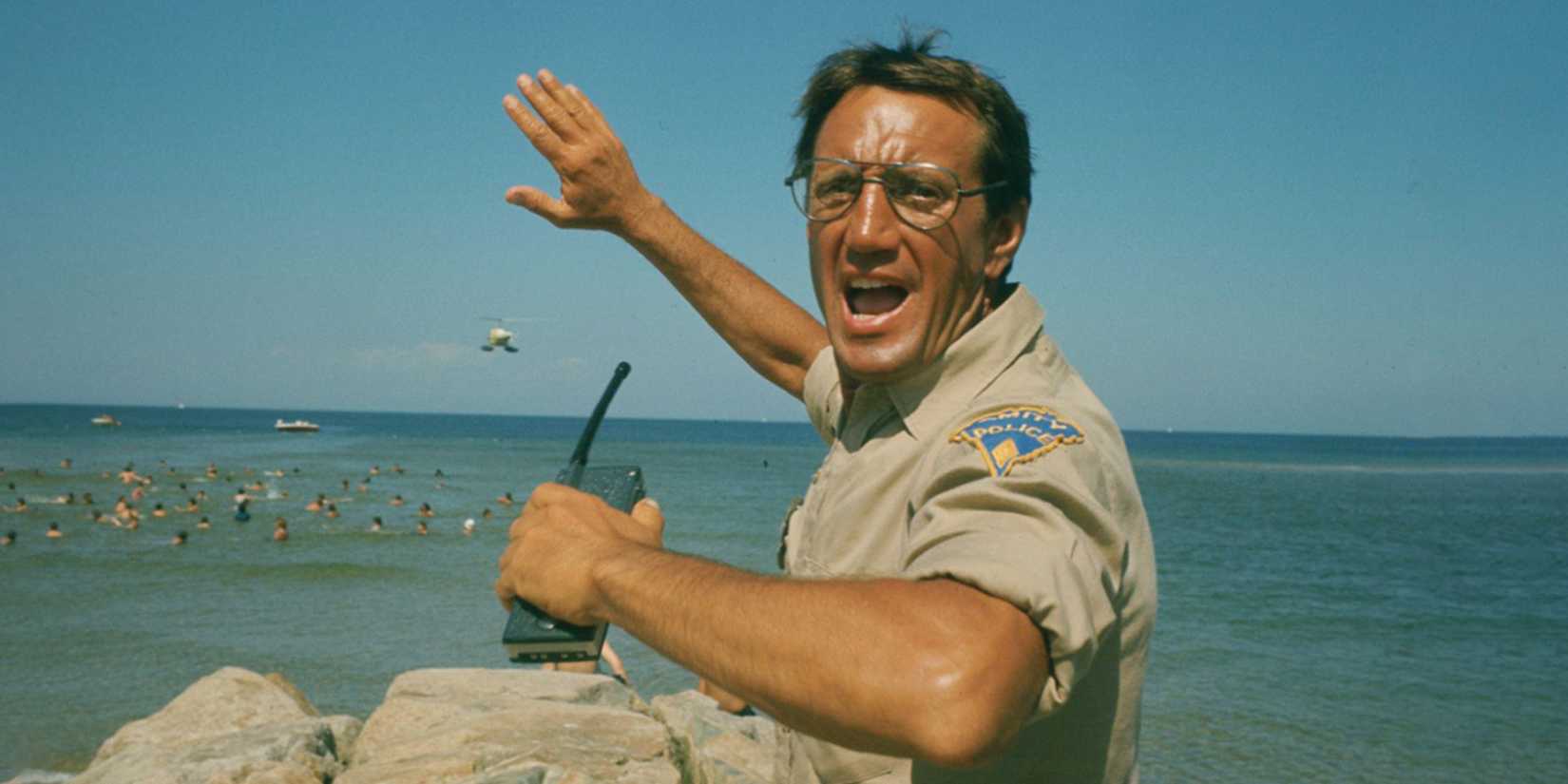
Jaws being based on a book feels like the ultimate trivia trick question that nobody gets right. It takes the basic premise of Peter Benchley’s 1974 novel and improves everything, stripping unnecessary subplots and reinventing now-iconic characters as it follows a police chief, a marine biologist, and a shark hunter tasked with stopping a shark’s attacks that are threatening to ruin Amity Island’s much-needed holiday revenue.
The terror of the shark is that it is so rarely glimpsed. Steven Spielberg uses point-of-view shots, rippling water, and shadows to conjure an air of dread that allows the beastly nature of the shark to fester in the viewer’s mind. John Williams’ iconic score is the cherry on top, imbuing every underwater sequence with blood-curdling tension. It plays on primal, existential fears, executed with such craft that it has become one of the medium’s most timeless triumphs and a true feat of thriller cinema at its most engaging.
1 'Psycho' (1960)
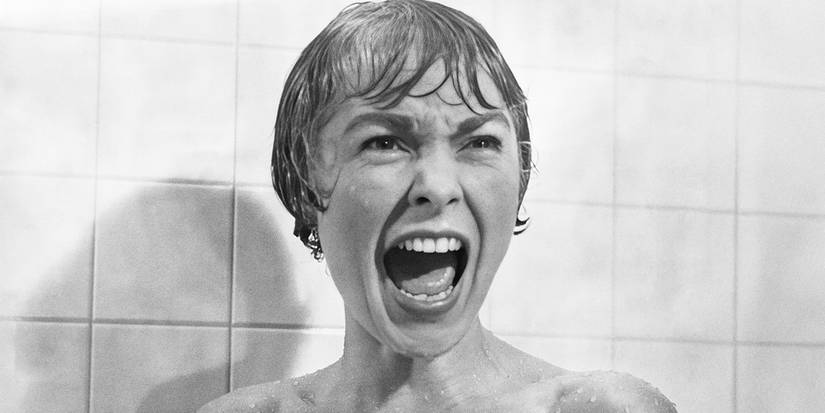
Psycho is revered as Alfred Hitchcock’s magnum opus, and it runs surprisingly close to its source material. However, screenwriter Joseph Stefano makes some minor changes to Robert Bloch’s novel that have a drastic effect, particularly tied to plot structure and the character of Norman Bates (Anthony Perkins). Both versions follow a secretary who embezzles money from her boss, flees the city, and winds up at Bates Motel, where her death incites an investigation.
Bloch’s novel plays on the psychological tension of the characters well, but Hitchcock proves the story belongs on the screen. The camera work, editing, and score of the shower scene alone are a testament to this, while the mystery elements work better without the intimate, intrinsic look at each character’s internal monologue. It is a brilliant story in both formats, but it is only Psycho the movie that remains entrenched as one of the greatest thriller movies of all time.

Psycho
- Release Date
- June 16, 1960
- Cast
- Anthony Perkins, Janet Leigh, Vera Miles, John Gavin, Martin Balsam, John McIntire, Simon Oakland, Frank Albertson, Patricia Hitchcock, Vaughn Taylor, Lurene Tuttle, John Anderson, Mort Mills, Fletcher Allen, Walter Bacon, Francis De Sales, George Eldredge, Sam Flint, Virginia Gregg, Alfred Hitchcock, Paul Jasmin, Lee Kass, Kit Carson, George Dockstader, Harper Flaherty
- Runtime
- 109 minutes
- Director
- Alfred Hitchcock
- Writers
- Joseph Stefano
KioskNews shows a cleaned-up reading view extracted from the publisher’s page — the original always lives on their site, not ours.