10 Psychological Thrillers That Are Perfectly Directed

Writing from the Chicagoland area in Illinois, Robert is an avid movie watcher and will take just about any excuse to find time to go to his local movie theaters. Robert graduated from Bradley University with degrees in Journalism and Game Design with a minor in Film Studies. Robert tries his best to keep up with all the latest movie releases, from those released in theaters to those released on streaming. While he doesn't always keep up with the latest TV shows, he makes it a goal to watch nearly every major new release possible. He has been honing his craft and following any and all movie news all his life, leading up to now, where he has a vast knowledge of film and film history. He also logs every movie that he watches on his Letterboxd page, and has hosted a weekly online movie night with his closest friends for over 6 years.
Sign in to your Collider account
There's an inherent brilliance within the psychological thriller genre, as few others come close to the levels of in-depth symbolism and layered characters present in these shocking and philosophical tales of the human psyche. However, the best psychological thrillers require the precise touch and vision of a director, and these perfectly directed psychological thrillers continue to dazzle and enchant audiences today.
With perfect direction, a psychological thriller can grow from being a great and well-crafted experience into one of the defining thrillers of the era and an icon of the genre as a whole. Many of these psychological thrillers have become iconic in their own right thanks to the insightful directing that further elevated their stories and characters. These masterpieces wouldn't be the same without the precision required to bring their stories to life.
'Investigation of a Citizen Above Suspicion' (1970)

A legendary Italian thriller that also serves as a direct satire and dark comedy centering on the corruption within higher offices, Investigation of a Citizen Above Suspicion is all the more brilliant thanks to the direction of Elio Petri. The film follows a top police officer who recently killed his mistress, utilizing the opportunity to test whether the police would charge him despite his position of power. He soon begins manipulating the investigation by planting clues to his own crime while the other officers ignore them, both intentionally and unintentionally.
Investigation of a Citizen Above Suspicion is a hilariously dark satire about the complete absence of rules when it comes to those in power. However, it is also a striking examination of a man so aware of the flaws of this system that he believes he is above it. Petri's directing finds an exceptional balance between the comedy of these situations and the truly sinister nature of these crimes and the sadistic man behind them. The essential Italian film is often considered one of the best thrillers ever made.
'Se7en' (1995)

Few directors have become as synonymous with perfection within the thriller genre as David Fincher, who has helped bring to life a wide array of masterfully concocted thrillers of all different varieties and styles. However, arguably his most acclaimed and recognizable work is Se7en, a psychological crime thriller that contrasts religious symbolism with a systemic failure that allows for such corruption to go unchecked. With great performances at its center and a sleek directing style, Se7en truly put Fincher on the map as a master of the thriller genre.
The film sees Brad Pitt and Morgan Freeman as a duo of homicide detectives hunting down a serial killer who has made each of his killings correlate with one of the seven deadly sins. As the bodies begin to pile up, the detectives fight to uncover the identity of the killer, get a sense of his disturbed mentality, and put a stop to his killings once and for all. It's a truly visceral experience that all psychological thriller fans should seek out if they haven't already.
'Prisoners' (2013)

From acclaimed director Denis Villeneuve, Prisoners shows that an overwhelming amount of pain can easily cause someone to crack under the pressure and commit heinous actions in the name of vengeance disguised as investigating. It's an extremely bleak thriller experience from beginning to end, not shying away from its destruction of the moral lines that come from a painful case of child abduction.
Villeneuve's exceptional sense of pacing is the lynchpin that makes Prisoners that much more impactful, truly delving into the psychological depth of its characters and the overwhelming pain from all angles of this story. The likes of Hugh Jackman, Jake Gyllenhaal, and Paul Dano also play an important part in the film's brilliance, with layered performances that elevate their characters and emphasize the greater painful themes at its center.
'Perfect Blue' (1997)

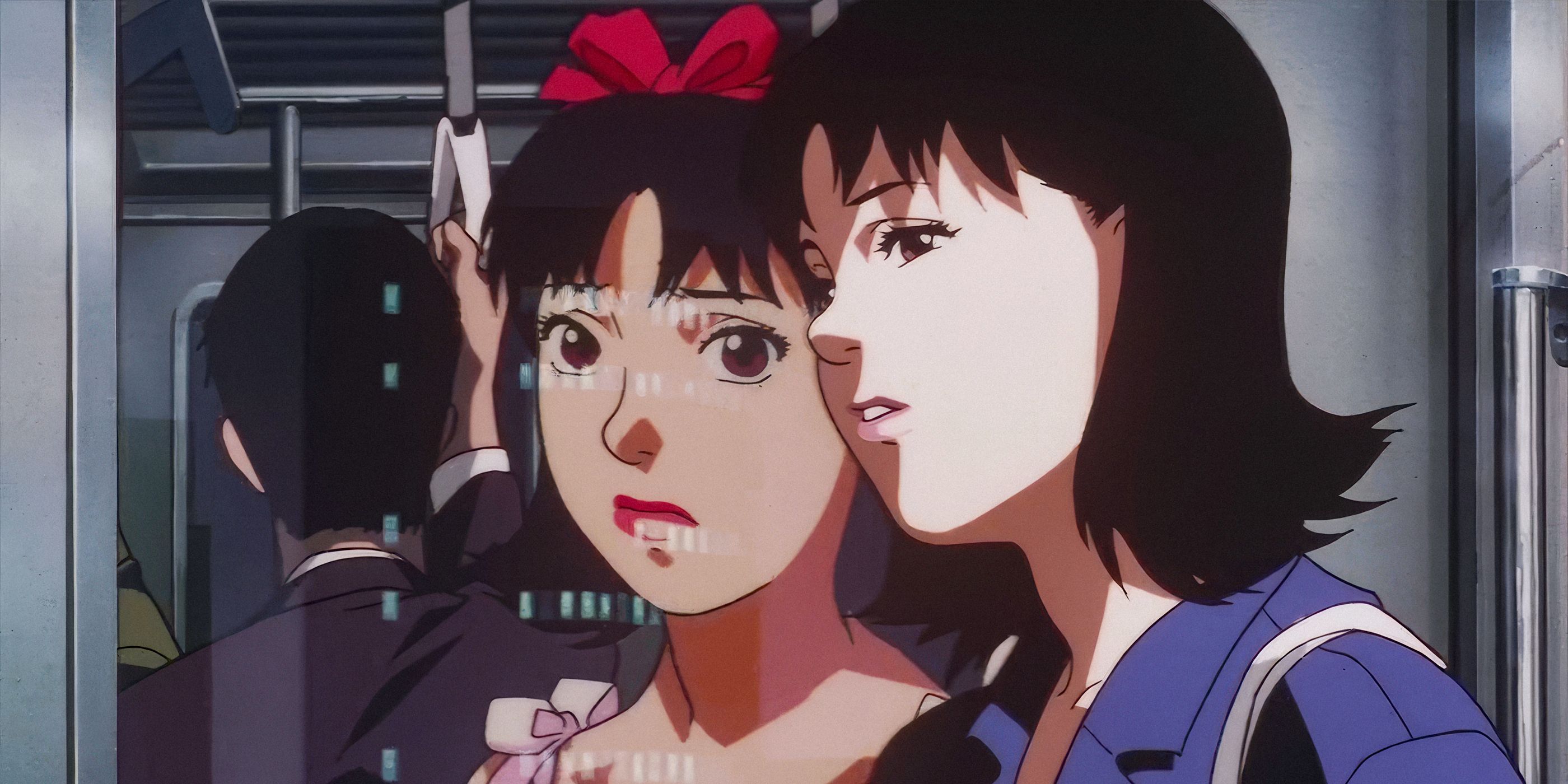
Thrillers as a genre aren't particularly popular in the world of feature-length animation, as it is more often than not reserved for a style of comfortable family movie. However, standards and expectations are made to be broken, as Satoshi Kon's masterpiece Perfect Blue makes exceptional use of the medium of 2D animation to create one of the most haunting, well-aged thrillers of the '90s.
The film follows rising pop idol Mima, who shockingly quits singing in order to pursue a career as an actress, unknowingly causing a rift in the dedicated fans who have followed her. One such fan seems to be taking things to an absolute extreme, killing off collaborators and people connected with Mima's new career. These events give Mima a sort of crippling impostor syndrome, self-conscious about her changing life as reality and fantasy fuse together in a mass paranoia.
'Parasite' (2019)

Often celebrated as one of the greatest cinematic achievements of the 21st century, it's impossible to sing praises to Bong Joon Ho's Parasite that haven't already been said hundreds of times before. Its social satire is simultaneously powerful and extremely relevant to the modern age, feeling timeless in its execution and playing into the pure facets of human nature and social hierarchies. The directing, however, is truly what sets the film over the edge into all-time status, as everything comes together into an iconic tour de force under Bong's vision.
Parasite is the type of masterfully concocted film that only gets better with each additional rewatch, as the finer details and brilliant craft on display allow for even more to be appreciated on subsequent rewatches. Its central story and themes hold a similar weight of timelessness, feeling all the more important and pivotal to modern culture with each passing year as one of the most striking contemporary films ever made.
Collider Exclusive · Oscar Best Picture Quiz
Which Oscar Best Picture
Is Your Perfect Movie?
Parasite · Everything Everywhere · Oppenheimer · Birdman · No Country
Five Oscar Best Picture winners. Five completely different visions of what cinema can be — and what it can do to you. One of them is the film that was made for the way your mind works. Ten questions will figure out which one.
🪜Parasite
🌀Everything Everywhere
☢️Oppenheimer
🐦Birdman
🪙No Country for Old Men
01
What kind of film experience do you actually want? The best movies don't just entertain — they leave something behind.
02
Which idea grabs you most in a film? Great films are driven by a central obsession. What's yours?
03
How do you like your story told? Form is content. The way a story is shaped changes what it means.
04
What makes a truly great antagonist? The opposition defines the protagonist. What kind of opposition fascinates you?
05
What do you want from a film's ending? The final note is the one that lingers. What do you want it to sound like?
06
Which setting pulls you in most? Where a film takes place shapes everything — mood, stakes, what's even possible.
07
What cinematic craft impresses you most? Every great film has a signature — a technical or artistic element that makes it unmistakable.
08
What kind of main character do you root for? The protagonist is the lens. Who you choose to follow says something about you.
09
How do you feel about a film that takes its time? Pace is a choice. Some films sprint; others let tension accumulate slowly, deliberately.
10
What do you want to feel walking out of the cinema? The best films leave a mark. What kind of mark do you want?
The Academy Has Decided Your Perfect Film Is…
Your answers have pointed to one Oscar Best Picture winner above all others. This is the film that was made for the way your mind works.
Parasite
You are drawn to films that operate on multiple levels simultaneously — that begin in one genre and quietly, brilliantly migrate into another. Bong Joon-ho's Parasite is a film about class, desire, and the architecture of inequality that manages to be darkly funny, deeply suspenseful, and genuinely shocking across a single extraordinary running time. Your instinct is for cinema that hides its true intentions until the moment it's ready to reveal them. Parasite is exactly that — a film that rewards close attention and punishes assumptions, right up to its devastating final image.
Everything Everywhere All at Once
You want it all — and this film gives you all of it. The Daniels' Everything Everywhere All at Once is one of the most maximalist films ever made: action comedy, multiverse sci-fi, family drama, existential crisis, and a genuinely earned emotional core that sneaks up on you amid the chaos. You are someone who responds to ambition, who doesn't want cinema to choose between being entertaining and being meaningful. This film refuses that choice entirely. It is overwhelming by design, and its overwhelming nature is precisely the point — because the feeling of being crushed by infinite possibility is exactly what it's about.
Oppenheimer
You are drawn to cinema on a grand scale — films that understand history not as a backdrop but as a force, and that place their characters inside that force and watch what happens. Christopher Nolan's Oppenheimer is a film about the terrifying gap between what we can do and what we should do, told with the full weight of one of the most consequential moments in human history behind it. You want your films to feel important without feeling self-important — to earn their ambition through sheer craft and the gravity of their subject. Oppenheimer does exactly that. It is enormous, complicated, and refuses easy comfort.
Birdman
You are drawn to films that foreground their own construction — that make the how of the filmmaking part of the what it's about. Alejandro González Iñárritu's Birdman, shot to appear as a single continuous take, is cinema examining itself through the cracked mirror of a fading actor's ego. You respond to formal daring, to the feeling that a film is doing something that probably shouldn't be possible. Michael Keaton's performance and Emmanuel Lubezki's restless camera create something genuinely unlike anything else — a film that is simultaneously about creativity, relevance, self-destruction, and the impossibility of ever truly knowing if your work means anything at all.
No Country for Old Men
You are drawn to cinema that trusts silence, that refuses to explain itself, and that treats dread as a form of meaning. The Coen Brothers' No Country for Old Men is a film about the arrival of a new kind of evil — implacable, arbitrary, and utterly indifferent to the moral frameworks we use to make sense of the world. It is one of the most formally controlled films ever made, and its controlled restraint is what makes it so terrifying. You want your films to haunt you, not comfort you. You are not interested in resolution if resolution would be dishonest. No Country for Old Men is honest in a way that most cinema never dares to be.
'High and Low' (1963)

Akira Kurosawa is often a strong contender for the greatest filmmaker of all time, with a massive swath of influence that reaches across the entire industry of cinema as a powerful leading force throughout his tenure. While the director didn't delve into the thriller genre too often, his prominent addition to the genre, High and Low, continuously stands as one of the very best thrillers of the '60s and an absolute icon of Japanese cinema.
The film centers on Kingo Gondō (Toshirō Mifune), a shoe executive faced with a daunting moral conundrum when a kidnapper mistakenly steals his chauffeur's son, demanding a ransom anyway. This powerful reflection on morality and class struggle is masterful in every aspect of its filmmaking, with Kurosawa going all out to emphasize the impact of this story and all of the moving pieces of the crime itself and the capturing of this criminal.
'Oldboy' (2003)

Yet another legendary icon of South Korean cinema, the psychological thrills and bleak storytelling in Park Chan-wook's Oldboy have made it an absolute classic and one of the most celebrated thrillers of the 21st century. It dabbles in themes of revenge, memory, and the subjectivity of the truth so effectively that it helped massively revolutionize international thrillers in the 21st century, still feeling shocking and powerful decades after its release.
The film follows a man who has been mysteriously imprisoned and tortured for 15 years, with his release setting him on a path of ruthless vengeance, searching for the truth of who his captors are and why he was imprisoned in the first place. However, this search for the truth proves to be much uglier than expected, as amidst the carnage and blood spilled, the biggest shock to the system comes from truths that are best left uncovered.
'M' (1931)
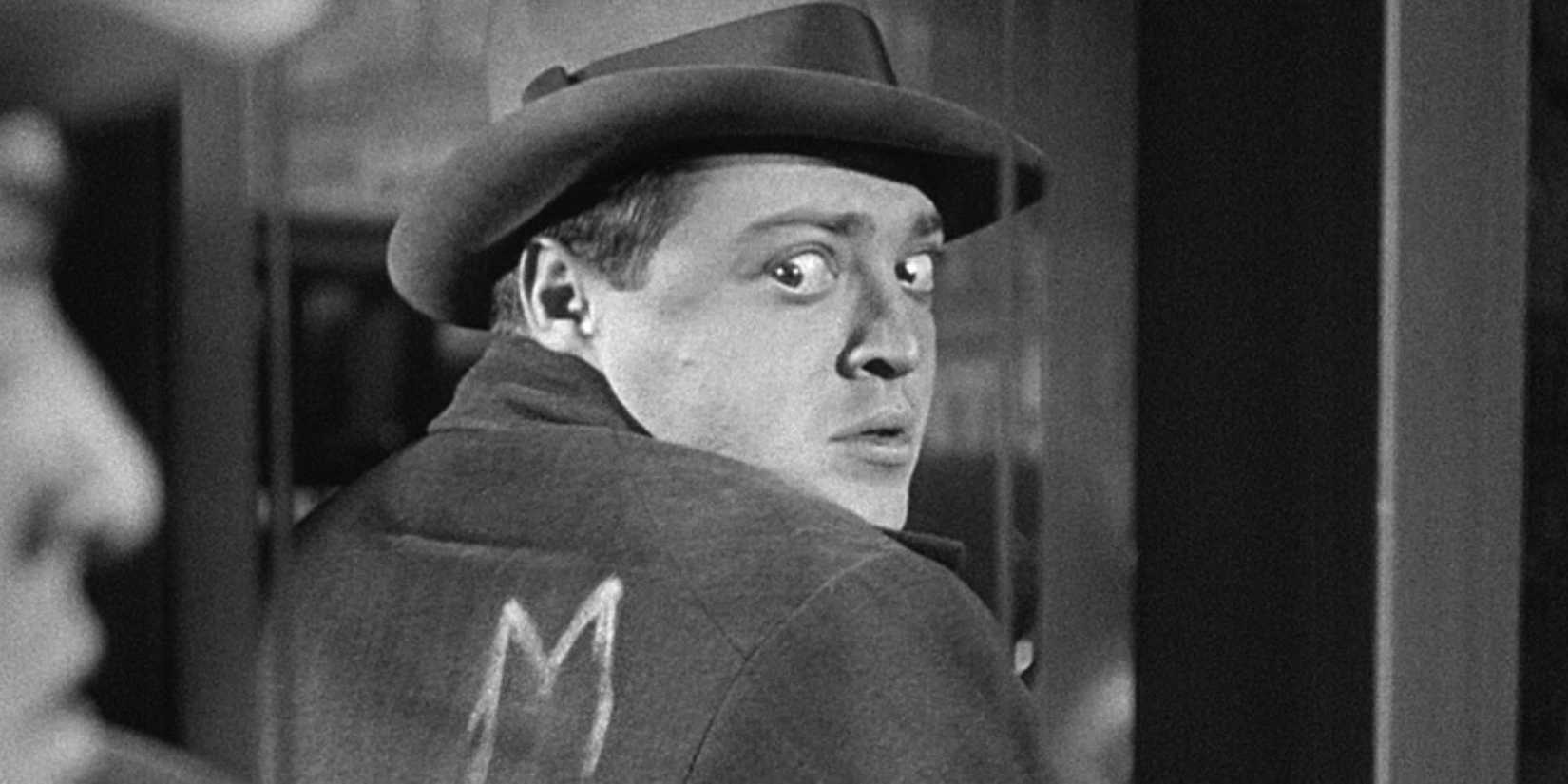
An exceptionally important German thriller that paved the way for just about every major thriller masterpiece in film history, Fritz Lang's M may just be the single most important psychological thriller ever made in terms of its influence upon the genre as a whole. This icon that helped pave the way for psychological thrillers and film noirs alike only grows more celebrated and important with each passing year, as well as Lang's masterful directing growing all the more impressive for the era in which it was released.
The film sees Peter Lorre as a ruthless serial killer who preys on children, finding himself at the center of a massive police manhunt where he is targeted even by other criminals in the underbelly of the city. With just about everyone on his tail and fighting for his capture, the killer is sent into a tense, anxiety-fueled attempt to escape justice by any means necessary. Just by watching M, it's easy to pick up on the influence and importance it holds within the genre, as you see the core elements of many other amazing thrillers just by watching this core origin point.
'Rear Window' (1954)

Often considered the master of suspense and the singular most important filmmaker within the thriller genre, Alfred Hitchcock has more masterpieces to his name than many filmmakers could even hope to achieve in their careers. However, among all of the legendary thrillers that Hitchcock's powerful directing helped elevate, his most exceptional thriller, Rear Window, ironically only takes place in a single location. This perfect mystery thriller utilizes the prospects of cinema as an art form perfectly, with Hitchcock's mastery of the art form taking clear shape in this tension-fueled work of art.
The film sees James Stewart as a wheelchair-bound photographer who begins spying on his neighbors from his apartment window and grows increasingly convinced that one of them has committed a murder. It's an exceptionally layered film about the difficulties of paranoia, subliminal voyeurism in watching other people without their knowledge, and the subtle pain that isolation holds over someone.
'The Silence of the Lambs' (1991)

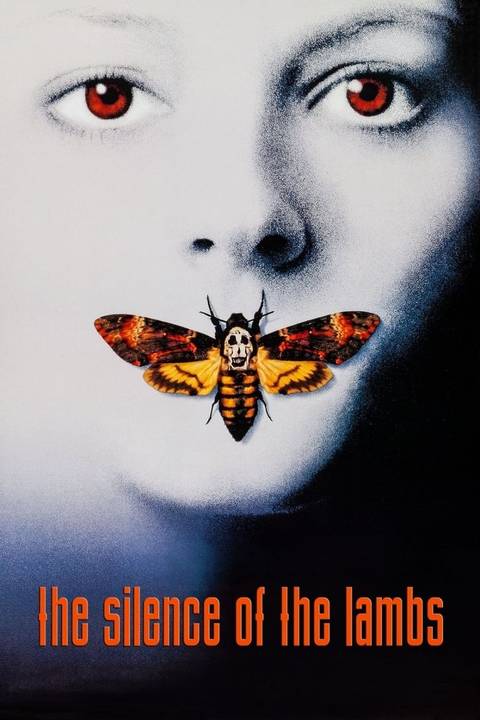
While other psychological thrillers may be more influential to the genre as a whole, when it comes to the prospects of exceptionally iconic psychological thrillers with absolutely perfect directing from beginning to end, it's hard to imagine an experience more well-crafted than Jonathan Demme's The Silence of the Lambs. This '90s cultural phenomenon lives up to its massive reputation and more, with pitch-perfect pacing and legendary performances elevating what was already a compelling story.
Demme's directing is the central strength that makes The Silence of the Lambs such an unmistakable masterpiece of the psychological thriller genre. His vision transformed the characters from celebrated literary figures into unmistakable icons of horror, to a point where just about everyone recognizes Anthony Hopkins as Hannibal Lecter. If someone is looking for a psychological thriller that is absolutely perfect from beginning to end, thanks in large part to its direction, The Silence of the Lambs is the best choice out there, even if a bit of an obvious choice.
The Silence of the Lambs
- Release Date
- February 14, 1991
- Cast
- Jodie Foster, Anthony Hopkins, Scott Glenn, Ted Levine, Anthony Heald, Brooke Smith, Diane Baker, Kasi Lemmons, Frankie Faison, Tracey Walter, Charles Napier, Danny Darst, Alex Coleman, Dan Butler, Paul Lazar, Ron Vawter, Roger Corman, Lawrence A. Bonney, Lawrence T. Wrentz, Don Brockett, Frank Seals Jr., Stuart Rudin, Maria Skorobogatov, Jeffrie Lane, Leib Lensky
- Runtime
- 119 minutes
- Director
- Jonathan Demme
- Writers
- Ted Tally, Thomas Harris
KioskNews shows a cleaned-up reading view extracted from the publisher’s page — the original always lives on their site, not ours.