Pangasinan may have sufficient irrigation until 2027 palay season
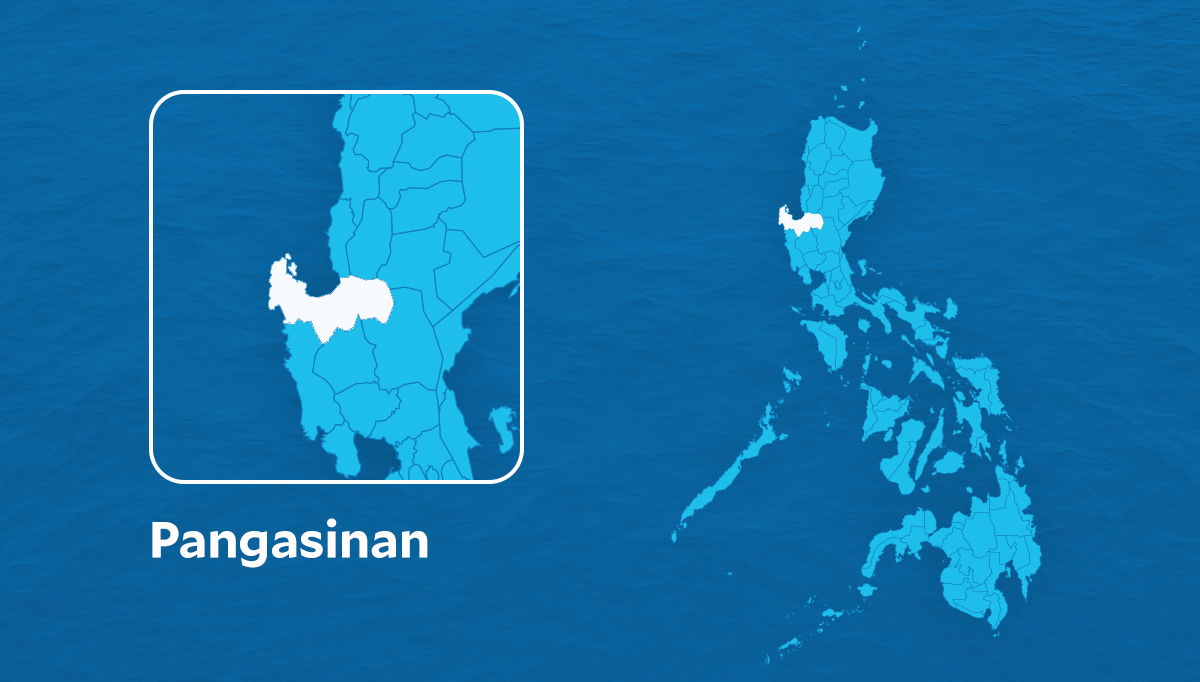

LINGAYEN, Pangasinan — Pangasinan’s agricultural sector is expected to have sufficient irrigation until the second palay cropping season in 2027, with San Roque Dam’s water level in San Manuel at 283.21 meters above sea level as of Oct. 19.
The available water supply will help farmers cope with the “Super El Niño” phenomenon, which is expected to persist until the second quarter of next year, said Col. Rhodyn Luchivar Oro, head of the Provincial Disaster Risk Reduction and Management Office (PDRRMO).
Oro presented the Provincial Disaster Risk Reduction and Management Council (PDRRMC) action plans during the Sangguniang Panlalawigan’s Question Hour on El Niño on Monday.
Article continues after this advertisement
READ: NIA preparing to mitigate effects of El Niño – Palace
FEATURED STORIES
NEWSINFO
NEWSINFO
NEWSINFO
However, Oro acknowledged that water might not reach the farthest portions of the irrigation canals. He said the provincial inter-agency task force will discuss this issue.
The San Roque Dam can supply 35,000 hectares of irrigable area, said Tommy Valdez, vice president for community affairs of San Roque Power Corp., which operates the dam’s power generation facility.
“The target is to provide irrigation until the end of the second crop, as agreed with the National Irrigation Administration and stakeholders. The far ends (of irrigation canals) not being supplied with water is a water management issue. Proper scheduling has to be implemented and strictly followed,” Valdez told the Inquirer.
However, Pangasinan has a larger proportion of non-irrigated farmlands, said provincial board member Jerry Agerico Rosario.
Article continues after this advertisement
“If we have contingencies for irrigation, my concern is the non-irrigated farmlands, which account for a larger percentage of the province’s agricultural areas. While irrigated lands can have two cropping seasons, how do you expect non-irrigated lands to be affected? They depend solely on groundwater,” Rosario said.
Oro said the PDRRMC was considering cloud seeding operations and may provide water pumps to farmers in non-irrigated areas as possible interventions.
Article continues after this advertisement
Provincial Agriculturist Dolores Moya said the Provincial Agriculture Office would conduct an inventory of water pumps previously distributed to beneficiaries and facilitate repairs where feasible.
“We will check where the water pumps are located, whether they are still operational and functional, or whether they are no longer working. In addition, the provincial government has scheduled the distribution of around 130 water pump units in the last quarter of this year,” she said.
READ: Palace: Govt steps up preparations for ‘very strong’ El Niño
A report by the Provincial Agriculture Office estimated that the Super El Niño phenomenon could affect 37,672 hectares of farmland across the province.
Of the total, 4,048 hectares are in District I, 5,019 hectares in District II, 11,813 hectares in District III, 2,520 hectares in District IV, 6,369 hectares in District V and 7,903 hectares in District VI.
Moya said the province projected a seven-percent decline in rice production in 2027, equivalent to a loss of about 84,000 to 85,000 metric tons.
READ: Climate panel urges schools, agencies to shift schedules for El Niño
Your subscription could not be saved. Please try again.
Your subscription has been successful.
“We have a rice sufficiency level of 180 percent in 2026, but with the seven-percent decrease, our projected sufficiency level next year is around 169 percent,” she said./coa
KioskNews shows a cleaned-up reading view extracted from the publisher’s page — the original always lives on their site, not ours.