US lawmakers raise alarm at FAA decision to deploy aviation AI tool nationally
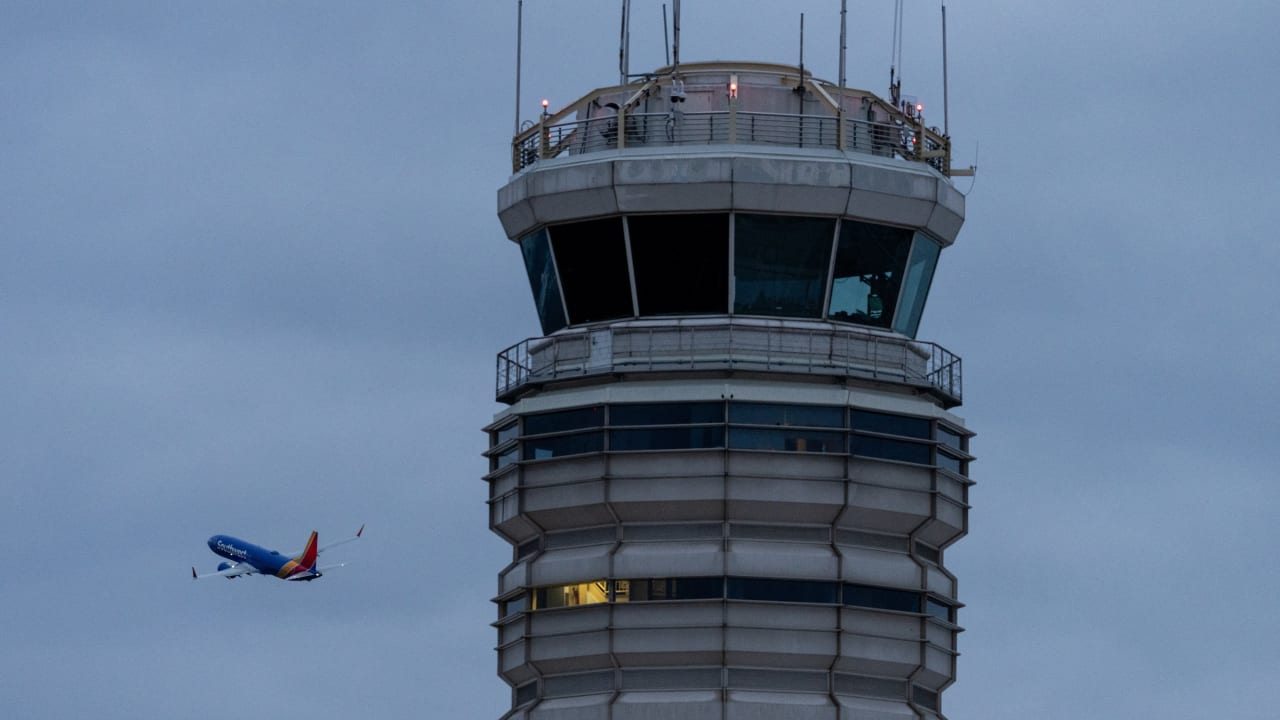
The system, dubbed SMART, uses data to analyze airline schedules, weather, airport capacity, airspace conditions, and operational constraints to predict traffic flows.
A group of two dozen House Democrats on Tuesday raised serious concerns about the Federal Aviation Administration's decision to deploy a new AI tool to assist air traffic controllers nationwide on November 10, days before a major system failure.
The FAA in September began using a new software-based AI tool system in the Washington area that uses predictive analytics to improve how flights are managed after awarding an $875 million, 12-year contract to Air Space Intelligence.
The Democrats, led by Representative Rick Larsen of Washington, the ranking member of the House Transportation Committee, criticized the "sudden expansion of a largely untested system" and asked the FAA to answer a series of questions by November 30. "We have yet to receive any substantive information proving the system was properly validated before its nationwide expansion," the lawmakers wrote.
The system, dubbed Strategic Management of Airspace, Routes, and Trajectories, or SMART, uses data to analyze airline schedules, weather, airport capacity, airspace conditions, and operational constraints to predict traffic flows and identify potential conflicts before they occur.
The letter cited the nearly five-hour November 13 nationwide ground stop that led to flights being canceled for an estimated 1.5 million passengers due to an FAA telecom issue.

Lawmakers fear SMART will further degrade public trust
"The federal government is dealing with a crisis of confidence," the letter said. "Americans’ faith in the aviation system is shaken. The opacity and inconsistency with which the FAA has handled the SMART rollout threatens to further undermine that trust."
The lawmakers want to know the data used by the FAA to validate SMART operations and what redundancies are in place to "ensure reliable ATC operations in the event of issues or outages impacting SMART."
The lawmakers also cited reports that the FAA may have retaliated against employees who raised safety concerns about SMART’s rapid deployment.
The FAA declined comment and said it would respond directly to the lawmakers.
US Transportation Secretary Sean Duffy has called the tool essentially "dumb AI" and emphasized that controllers remain in charge, not the software.
The system uses over 200 data streams, creates data visualizations, and produces scheduling recommendations for operations experts to consider passing along, but does not involve active management of planes in the sky.
KioskNews shows a cleaned-up reading view extracted from the publisher’s page — the original always lives on their site, not ours.