UAE Foundation Targets Preventable Blindness Through Mobile Clinics in Africa
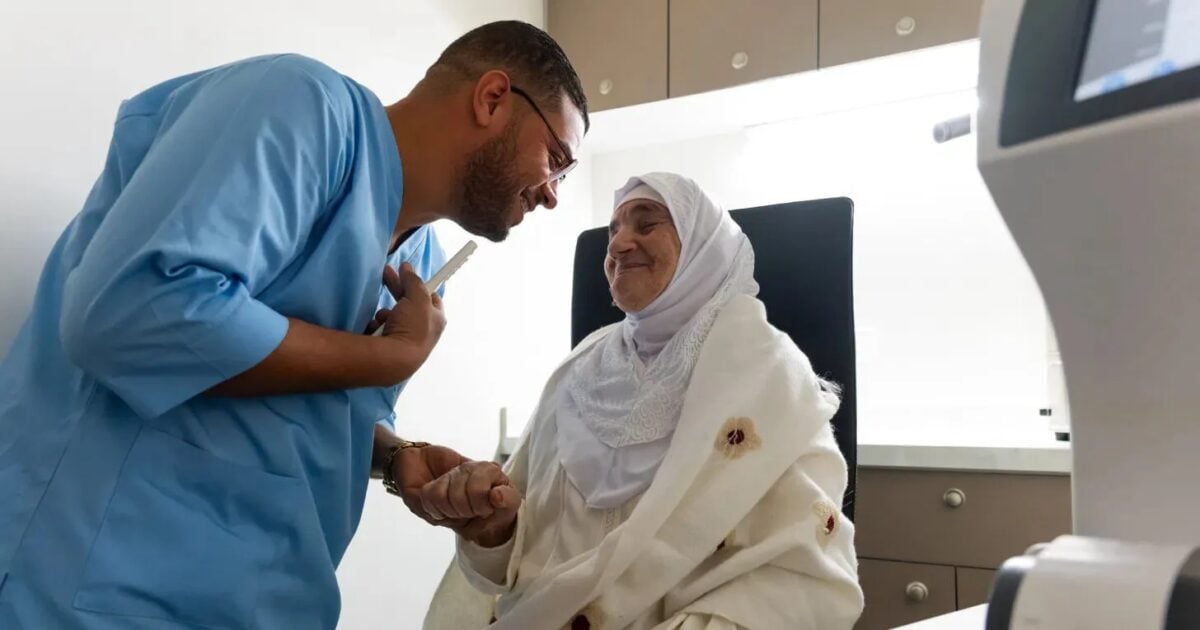
NAIROBI, Kenya Nov 20 – The Mohamed bin Zayed Foundation for Humanity has launched a mobile eye care programme targeting rural communities in Africa, with Morocco and Mozambique selected for the first phase.
The initiative, unveiled on Friday, November 20, 2026, will provide vision screening, diagnosis and treatment of eye conditions, as well as support for cataract surgery, targeting approximately 15,000 beneficiaries across the two countries within the first six months.
The programme is being implemented in partnership with the Ministries of Health in Morocco and Mozambique, with plans to expand to other African countries where geographical distance and limited access to healthcare continue to prevent communities from receiving essential eye care services.
The mobile clinics will be integrated into existing national health systems, with patients requiring specialised treatment referred to public health facilities.
UAE Minister of State Sheikh Shakhboot bin Nahyan Al Nahyan said the initiative reflects his country’s commitment to extending healthcare services to underserved populations.
“Working hand in hand with the governments of the Kingdom of Morocco and the Republic of Mozambique, these mobile clinics will bring eye care directly to rural communities, ensuring that distance is no longer a barrier to treatment,” he said.
He added that the initiative would address practical barriers to healthcare access while empowering thousands of people to lead healthier and more productive lives.
Globally, at least 2.2 billion people live with vision impairment, with the majority in low- and middle-income countries. Of these, at least one billion cases could have been prevented or treated through access to appropriate eye care services.
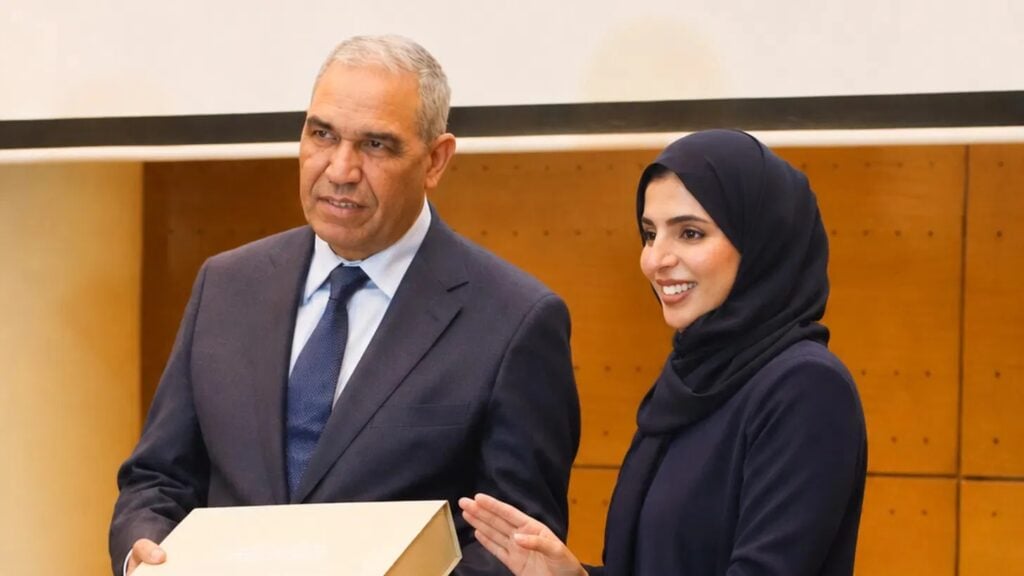
Foundation Director-General Dr Shamma Khalifa Al Mazrui said many cases of vision loss could be addressed through relatively simple interventions, including prescription glasses and cataract surgery.
“Almost all cases of vision loss can be prevented or treated through appropriate care, including simple interventions such as prescription glasses and cataract surgery. Yet, this care remains out of reach for many people,” she said.
Al Mazrui noted that restoring sight goes beyond improving individual health, creating opportunities for education, employment and economic independence.
“Restoring sight does more than improve a person’s health; it can transform their life, giving them new opportunities to learn, work and earn a living, with positive effects on their family, community and national economy,” she added.
Morocco’s Minister of Health and Social Protection Youns Bjijou said the partnership would complement ongoing government reforms aimed at extending quality healthcare beyond urban centres.
“We welcome our partnership with the Mohamed bin Zayed Foundation for Humanity, which supports these efforts by bringing eye care services closer to rural communities and enabling more people to access timely diagnosis, treatment and care,” he said.
Mozambique Health Minister Ussene Hilário Isse said the programme would help eliminate delays and long-distance travel that could expose patients to the risk of preventable blindness.
“The success of any health initiative is measured by its impact on patients’ lives,” he said.
He added that his government was committed to ensuring more people receive timely eye examinations and treatment without having to travel long distances.
“This aligns with the vision and guidance of His Excellency Daniel Chapo, President of the Republic of Mozambique. We welcome our partnership with the Mohamed bin Zayed Foundation for Humanity to translate these efforts into tangible outcomes that create a lasting impact on the lives of our communities,” Isse said.
In Morocco, the programme will also deploy a mobile surgical unit to support cataract operations in collaboration with local healthcare facilities.
Local healthcare professionals will work alongside the mobile medical teams to diagnose and treat common eye conditions, distribute prescription glasses and identify patients requiring surgical intervention.
The initiative is also expected to generate expertise and lessons that will inform future phases, with the foundation prioritising sustainable, country-led efforts to expand access to eye care across Africa.
KioskNews shows a cleaned-up reading view extracted from the publisher’s page — the original always lives on their site, not ours.