Israel election live: polls open in most consequential vote in country’s history

Hello and welcome to our coverage of the Israeli elections. Polls have opened in the first election since the Hamas-led attacks of 7 October 2023, Israel’s subsequent destruction of Gaza, and the launch of its war with the US against Iran.
Most polling shows prime minister Benjamin Netanyahu’s coalition will lose its majority in the 120-seat Knesset, but the opposition bloc will probably also fall short of the 61 seats needed to form a government.
For Netanyahu, 76, who has led the most far-right government in Israel’s history, the stakes are both political and personal. He is on trial for corruption in three separate cases, despite interventions from Donald Trump, who called for a pre-emptive pardon in the long-running saga and even wrote to Israeli president Isaac Herzog on Netanyahu’s behalf. The cases are ongoing.
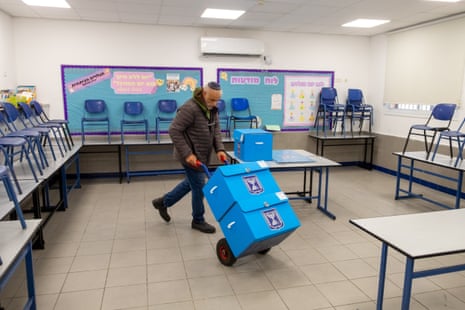
It was on Netanyahu’s watch that Hamas militants broke out from Gaza three years ago to kill nearly 1,200 people, the majority of them civilians, on the deadliest day in Israel’s history. This election is widely seen as a referendum on Netanyahu’s leadership since those attacks.
The IDF’s globally condemned assault on Gaza, which has killed at least 75,000 people and been deemed a genocide by a UN commission, academics, legal scholars and Israeli and international rights groups, has left Israel a pariah on the world stage.
Three years of regional conflict followed the 7 October attacks, including this year’s war on Iran, which sparked an ongoing global energy crisis and has killed thousands of people, mainly in Lebanon and Iran.
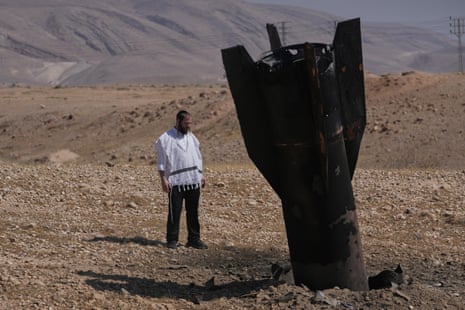
What is more, under Netanyahu’s government there has been an unprecedented, aggressive surge of deadly extremist settler violence to bolster Israeli control in the occupied West Bank, as settler militants and their political backers – who have propped up Netanyahu’s government – exploited their seat at the cabinet table and expanded with impunity.
Indeed, settlement expansion has been a key feature of Netanyahu’s re-election campaign. However, it is also a driving force behind Israel’s growing international isolation, with many of its traditional allies condemning “settler terrorists” and announcing plans to impose sanctions.
Key events
Explainer: What you need to know about the most consequential election in Israel’s history
Polls open in elections for Israeli parliament
Gadi Eisenkot, Netanyahu’s main challenger in Tuesday’s elections, has already been out greeting voters at a polling station in Ofakim, in Israel’s south.

The former army chief of staff spent four decades rising through the ranks of Israel’s military. He now leads the largest opposition party – Yashar.

In Jerusalem
Israel is holding its first election since the 7 October 2023 Hamas attacks, the deadliest day in the country’s history, which resulted in the deaths of about 1,200 people, the majority of them civilians.
Since then Israel has pursued a war of annihilation in Gaza, launched two inconclusive wars with Iran, and intensified a campaign of state-backed ethnic cleansing in the occupied West Bank.
Domestically the coalition formed by Benjamin Netanyahu has taken aim at democratic institutions, including the supreme court. Many Israelis have described this election as the most consequential in their country’s history.
Here, Emma runs through everything you need to know – from the key players and issues, to when we can expect the results:
Hello and welcome to our coverage of the Israeli elections. Polls have opened in the first election since the Hamas-led attacks of 7 October 2023, Israel’s subsequent destruction of Gaza, and the launch of its war with the US against Iran.
Most polling shows prime minister Benjamin Netanyahu’s coalition will lose its majority in the 120-seat Knesset, but the opposition bloc will probably also fall short of the 61 seats needed to form a government.
For Netanyahu, 76, who has led the most far-right government in Israel’s history, the stakes are both political and personal. He is on trial for corruption in three separate cases, despite interventions from Donald Trump, who called for a pre-emptive pardon in the long-running saga and even wrote to Israeli president Isaac Herzog on Netanyahu’s behalf. The cases are ongoing.
It was on Netanyahu’s watch that Hamas militants broke out from Gaza three years ago to kill nearly 1,200 people, the majority of them civilians, on the deadliest day in Israel’s history. This election is widely seen as a referendum on Netanyahu’s leadership since those attacks.
The IDF’s globally condemned assault on Gaza, which has killed at least 75,000 people and been deemed a genocide by a UN commission, academics, legal scholars and Israeli and international rights groups, has left Israel a pariah on the world stage.
Three years of regional conflict followed the 7 October attacks, including this year’s war on Iran, which sparked an ongoing global energy crisis and has killed thousands of people, mainly in Lebanon and Iran.
What is more, under Netanyahu’s government there has been an unprecedented, aggressive surge of deadly extremist settler violence to bolster Israeli control in the occupied West Bank, as settler militants and their political backers – who have propped up Netanyahu’s government – exploited their seat at the cabinet table and expanded with impunity.
Indeed, settlement expansion has been a key feature of Netanyahu’s re-election campaign. However, it is also a driving force behind Israel’s growing international isolation, with many of its traditional allies condemning “settler terrorists” and announcing plans to impose sanctions.
KioskNews shows a cleaned-up reading view extracted from the publisher’s page — the original always lives on their site, not ours.