In this drought-hit taluka of Maharashtra, monsoon came, but a long dry spell followed
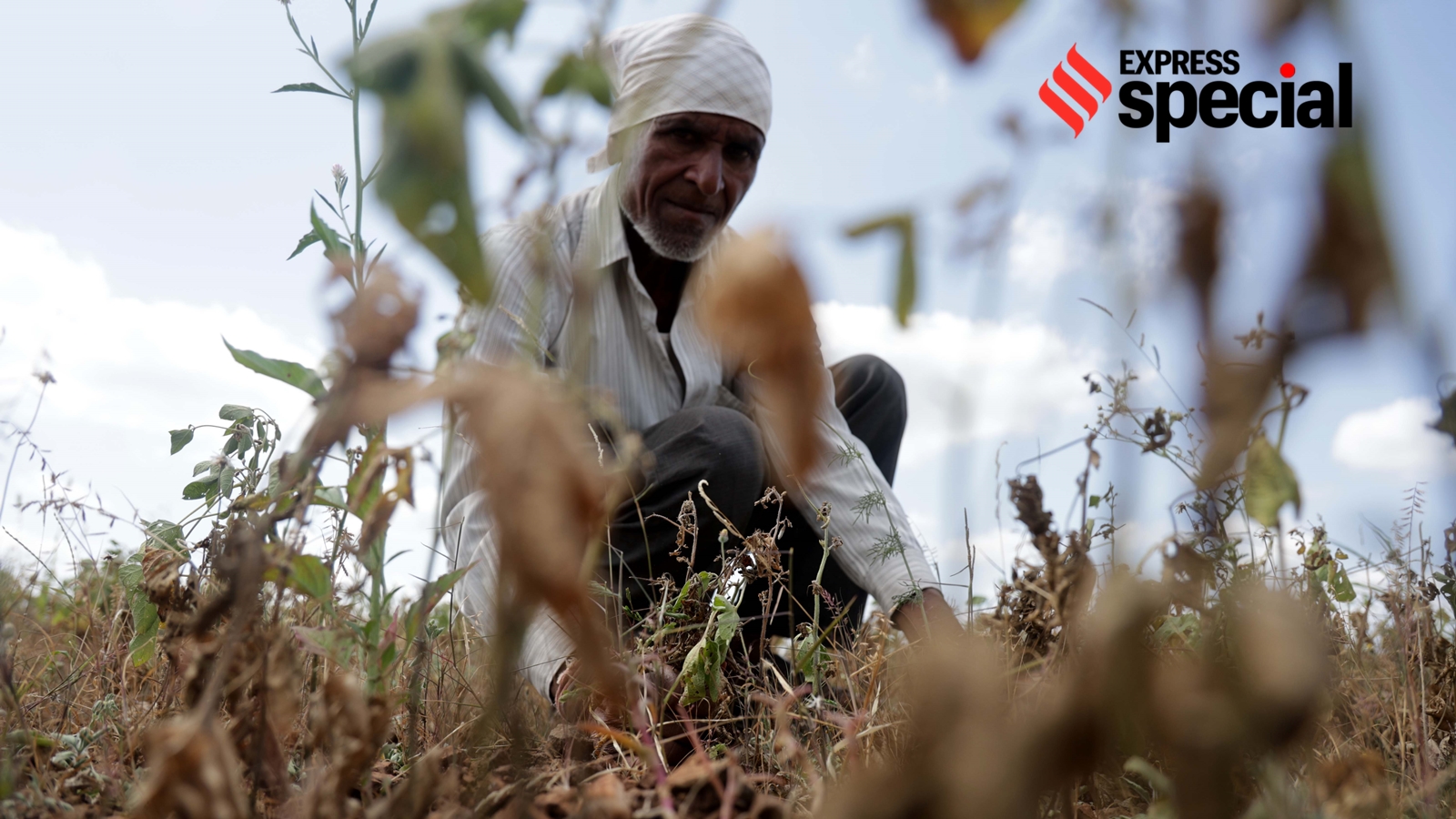
For farmers in Sakri taluka of Dhule district, this year’s drought is not a story of the monsoon failing to arrive. It is about the rains arriving, raising hopes, and then disappearing when the crops needed them the most.
Sakri is among the 265 talukas declared drought-affected by the Maharashtra government last week; the state has a total of 358 talukas. While the drought-hit areas cover 32 of the total 36 districts, all the four talukas in Dhule district are among the affected areas. The state recorded a rainfall deficit of 18% this year, with 798.2 mm of rainfall between June 1 and September 26, against a normal of 970.9 mm.
But in Sakri, where the seasonal rainfall was around the expected level, it was the prolonged dry spell that destroyed crops. According to official data, in the 102 days between June 1 and September 11, Sakri did not receive any rainfall for 67 days, including a dry spell of 22 consecutive days.
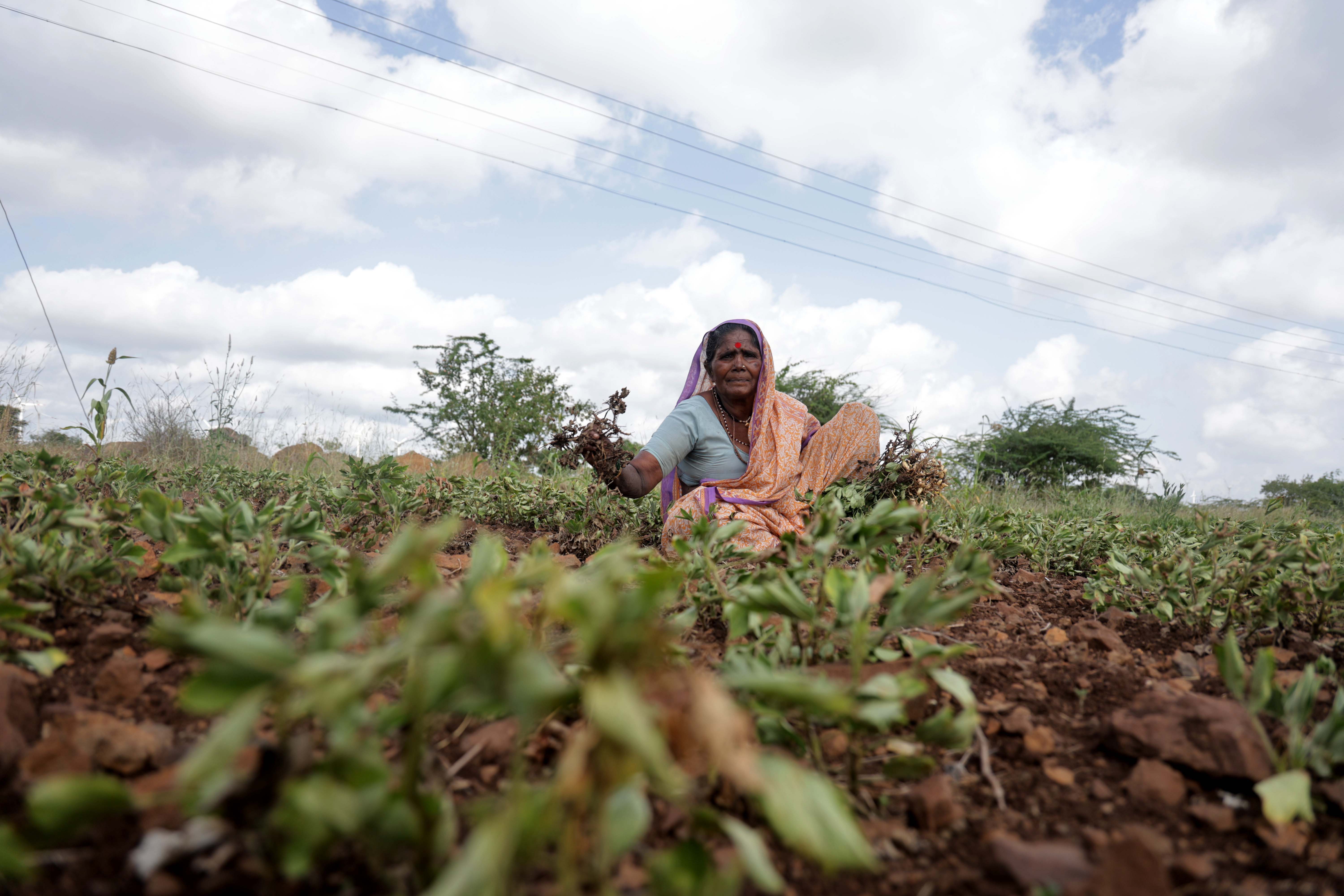 Farmers have said that the dry spell of rain has gone on for more than a month, destroying crops. (Express photo by Narendra Vaskar)
According to an official of the agriculture department, Sakri taluka, comprising 227 villages, received only 50 per cent of its average rainfall in August and September. “The rains in this region were scanty as most of the rainfall was over the Western Ghats. Moreover, the rains came before the sowing season,” the official said.
Farmers across Sakri and parts of neighbouring Jalgaon said the dry spell has left the kharif crops stunted, and fields without enough moisture to sow the rabi crops. Some of the older farmers compared it to the 1972 drought in Maharashtra, adding that the current crisis was particularly painful because the season had initially appeared promising.
The government’s drought declaration, made under the Drought Management Code, follows an assessment of rainfall and other factors, including a trigger of at least 21 consecutive days without significant rainfall. It provides immediate concessions such as waiver of land revenue, restructuring of crop loans and a stay on recovery of agriculture-related loans. Actual financial assistance for crop losses, however, will be decided only after field-level assessments and panchnamas.
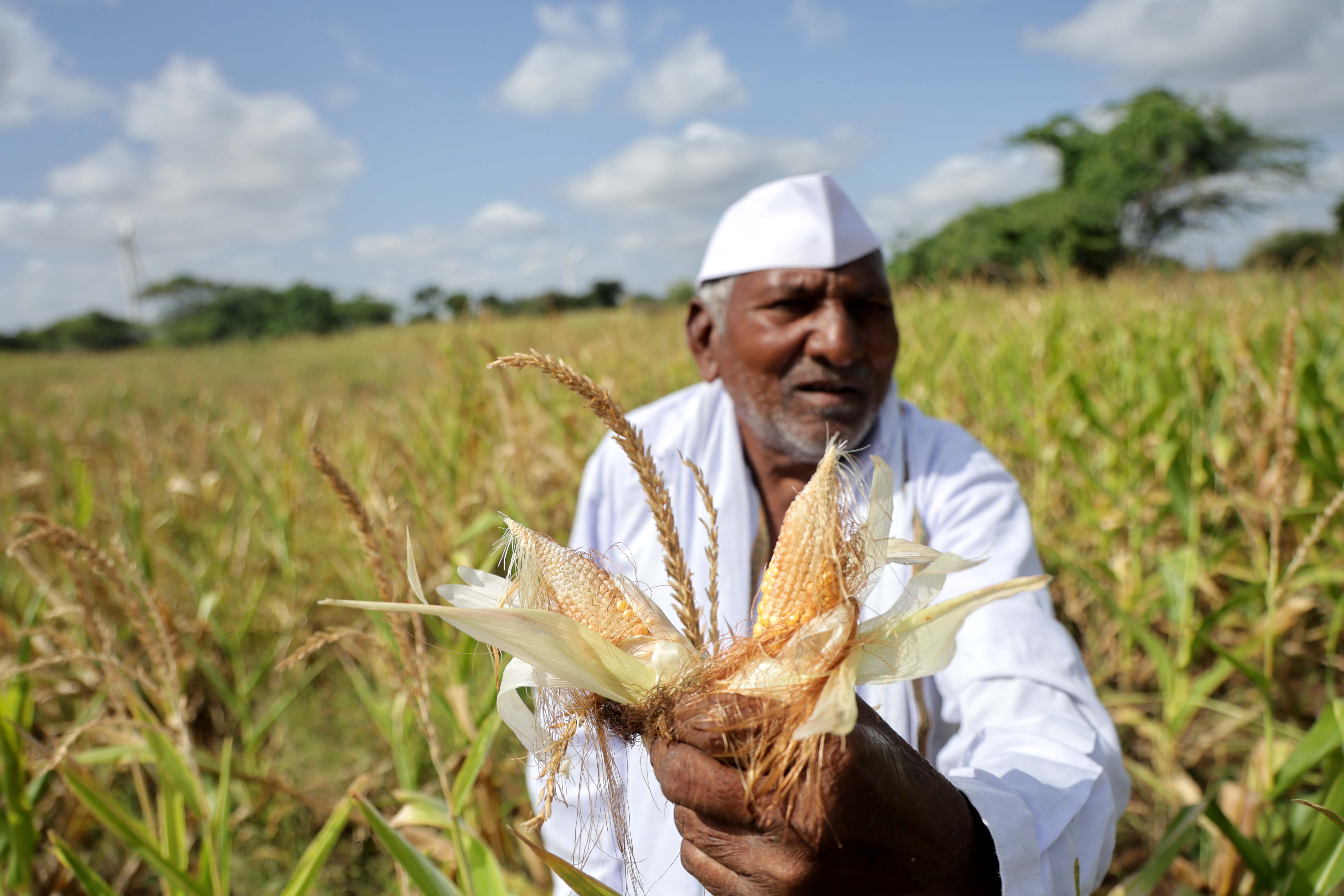 A Sakri village, farmers have said that the dry spell of rain has gone on for more than a month, destroying crops.
In Sakri, farmers say the damage has already been done.
Story continues below this ad
They cannot remember when it last rained. What they do remember is waiting for the next shower — through the day, and sometimes waking at night at the imagined sound of raindrops. The rains never came.
“When monsoon began in June, we were hopeful of steady rainfall. It rained until the first week of August and then it abruptly stopped. I remember the last shower was a weak drizzle, not enough to seep into the soil. Now, we have to see the crops burning in the sun,” said Nimbabai Brahmane, 65, a farmer from Khori village.
Brahmane’s two-acre farm had groundnut, cotton and bajra. The groundnut crop had reached the pod development stage when the rains stopped. Pulling out a plant from the soil, she showed the underdeveloped seeds inside. The crop, she said, is neither fit for consumption nor sale. If left to dry further, it may not even be useful as cattle fodder.
Farmers in Khori and neighbouring Jamade, Lagadwal, Petale and Panhalipada villages are facing similar losses. The region is largely hilly, with limited irrigation facilities. The main crops grown here are maize, soybean, groundnut, bajra, onion, cotton, pulses and nagli. Most farmers sowed in the first and second weeks of June, after the onset of monsoon raised hopes of a normal season.
Story continues below this ad
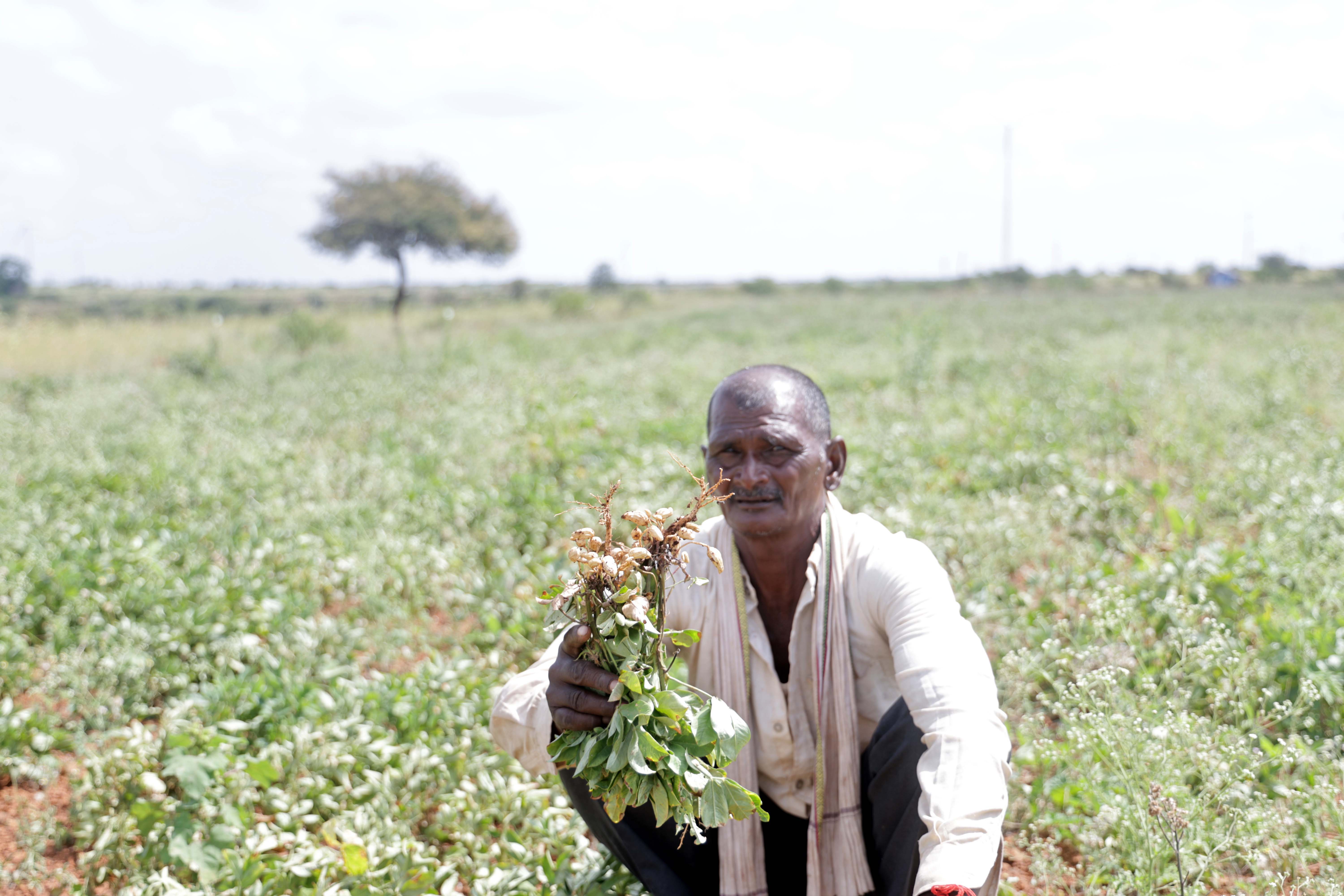 A farmer assesses his damaged crops in Sakri. (Express photo by Narendra Vaskar)
Most of the farmers belong to tribal communities, including Bhil, Kokna, Gamit, Naikda and Pardhi. Many have cultivated forest land for generations. They were part of the 2018 march to Mumbai and the 2023 march to Nashik, seeking recognition of their forest rights and compensation during droughts, under the Satyashodhak Shetkari Sabha.
Now, they are not only worried about crop losses, but also about whether they will be able to access the relief announced by the government, in view of their pending claims for individual forest rights.
“In 2019, a Government Resolution had announced that relief will also be granted to those with pending claims for individual titles. But our taluka did not get any compensation. We hope that we are included this year and the relief is given,” said Mansaram Pawar of Khori.
Besides affecting their kharif crops, farmers pointed out that the prolonged dry spell has left their fields without enough moisture for the rabi season.
Story continues below this ad
“This would mean getting out of two cycles of debt. Most of us with small land holdings put everything we had from the previous season in the kharif crops, and have nothing left,” said Ramlal Gawli, 60, of Lagadwal. He said it brought back memories of the 1972 drought, recalling how his father recounted that families had to depend on wild plants for food.
Bansi Pawar, 75, another farmer, said this year’s drought appeared harsher because farmers had invested their savings after the early rains raised hopes of a good crop.
The distress extends into neighbouring Jalgaon district, where 15 talukas have been declared drought-hit. In Erandol, 72-year-old Shaligram Gaikwad, too, recalled the 1972 drought, saying families had to depend on red jowar and American wheat.
This year, the maize crop on his 12 acres has been destroyed. Gaikwad has now sowed onions, using water from a well where the level is steadily falling. Farmers in the region are trying to use available irrigation and drip systems to salvage something from the season, but the investment carries the risk of another crop failure.
KioskNews shows a cleaned-up reading view extracted from the publisher’s page — the original always lives on their site, not ours.