Somalia: Famine risk decreases in Baidoa – but millions still going hungry
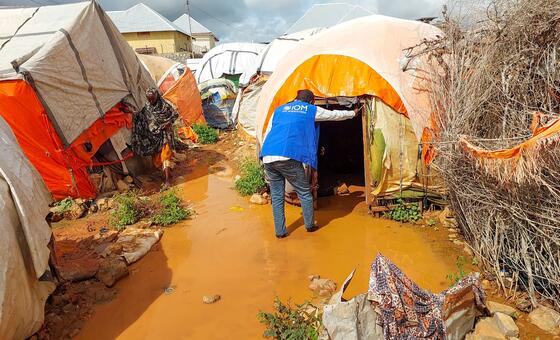
Millions of people in Somalia still face severe food shortages and malnutrition despite the reduced risk of famine in Baidoa, global food security experts warned on Wednesday.
Roughly 5.4 million people in the country were expected to face severe food insecurity between October and December of this year, according to the Integrated Food Security Phase Classification (IPC) index.
That number has declined to 5.3 million, slightly less than the previous assessment from August, following the adjustment of the food security situation for those internally displaced (IDPs) in Baidoa.
The IPC is a UN-backed platform that uses a five-phase scale to classify the severity of food insecurity, with level 5 being famine.
Baidoa: Famine threat recedes
The analysis confirms that through the end of the year, IDPs in Baidoa remain in emergency level (Phase 4) regarding acute food insecurity, with acute malnutrition remaining at critical level.
However, the region is no longer considered at risk of famine “as the plausible worst-case scenario of extreme El Niño-induced flooding and displacement has not materialised and is unlikely to occur before the end of 2026”.
The updated findings took into account new data collected since August, including on food availability, nutrition, deaths and displacement.
Child malnutrition still a challenge
Despite a slight decrease in the number of people facing food insecurity, malnutrition remains a concern in Baidoa.
The IPC estimates that another 7,000 children will suffer from malnutrition between July 2026 and June 2027, bringing the total number of children affected or expected to be affected to 1.92 million.
This includes 437,000 children are expected to face severe malnutrition.
The report emphasizes that the humanitarian situation in Somalia remains fragile, with millions of people in need of food and nutrition assistance.
It calls for urgent and sustained support for food security, livelihoods, nutrition, health, and water, sanitation and hygiene services, particularly for displaced communities and people in hard-to-reach areas.
♦ Receive daily updates directly in your inbox - Subscribe here to a topic.
KioskNews shows a cleaned-up reading view extracted from the publisher’s page — the original always lives on their site, not ours.