PH backlash not automatic endorsement of BN, says analyst
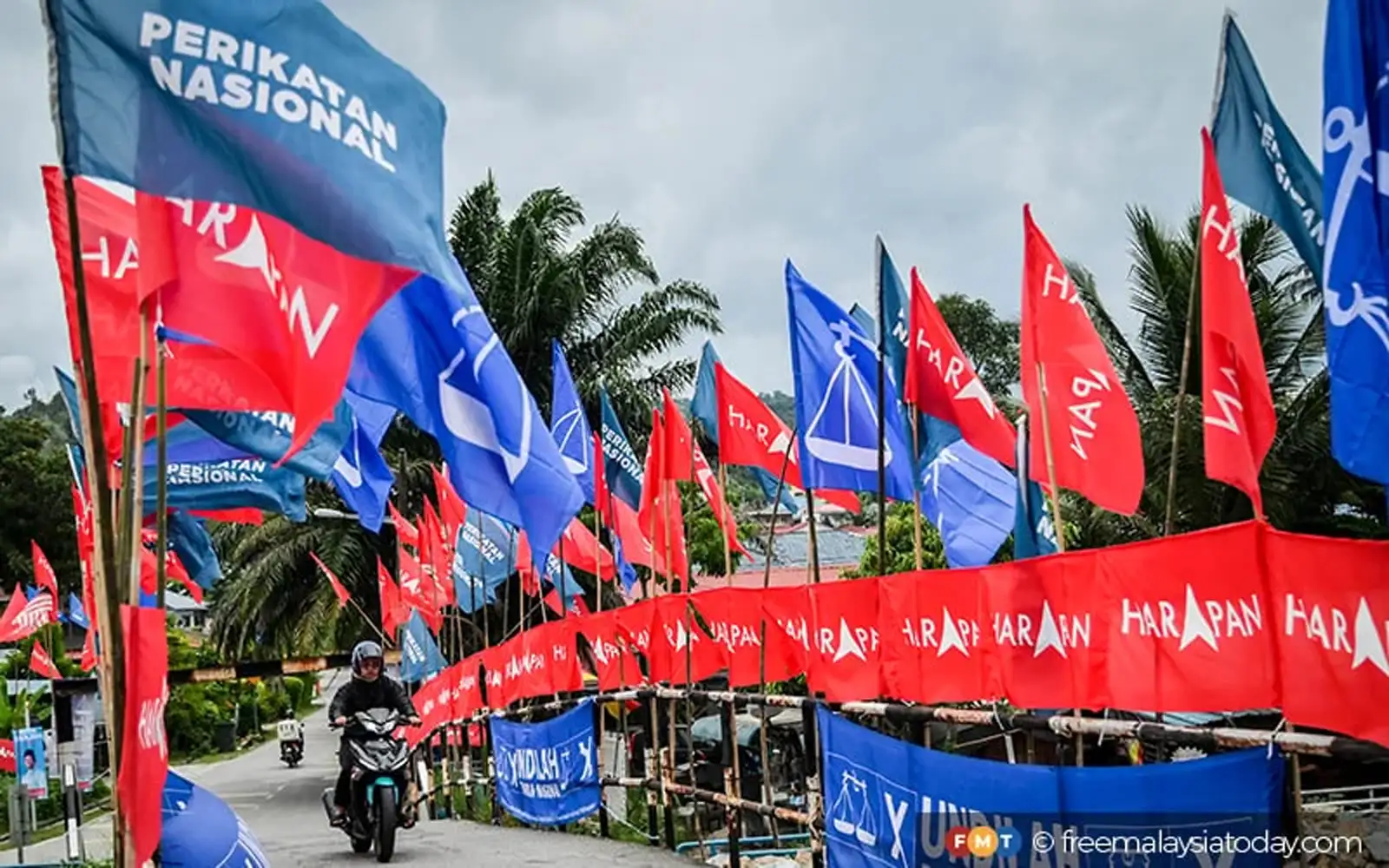
Dissatisfaction with Pakatan Harapan does not automatically translate into renewed confidence in Barisan Nasional, an analyst said, urging parties to show change through their conduct.

Ahmad Zaharuddin Sani Ahmad Sabri of Global Asia Consulting said voters were aware of the gap between the principles championed by parties while in opposition against decisions made after taking power.
“Voters are not necessarily becoming more supportive of Perikatan Nasional or BN. They may instead be losing confidence in PH,” he told FMT.
He said the electorate’s earlier rejection of BN, particularly Umno, had been driven by hopes of reform, integrity and justice, rather than simply affection for PH.
His assessment follows the Nov 14 Melaka election, in which the Umno-led BN and PAS-led PN won 25 seats by contesting as a pact, leaving PH with only four, all secured by DAP.
Zaharuddin acknowledged that PH’s lack of numbers in the Dewan Rakyat made reforms difficult, but said its efforts to pursue change and uphold accountability still mattered.
PH and its then ally, Muda, won 82 seats in the 2022 general election, falling short of the 112-seat majority needed to form a government outright. It subsequently formed a unity government with BN and other coalition partners.
Zaharuddin said although the alliance was necessary to ensure political stability, it did not resolve concerns among PH supporters about working with a party it had long criticised for lacking in integrity.
He also said cases involving political leaders from the previous regimes should not be influenced by political considerations.
Zaharuddin added that while voters may understand financial and administrative constraints, they would find it difficult to accept explanations that the parties themselves had rejected when they were in opposition.
Past struggles won’t woo young voters
Azmi Hassan of Akademi Nusantara said Umno could no longer rely on its role in securing the country’s independence to win over younger voters.

“Simply telling young voters that Umno fought for independence no longer resonates,” he said.
He noted that many younger voters had not lived through that period and instead judged political parties based on current realities and how policies affected their daily lives.
While some young voters were actively involved in political parties, many were not tied to any particular ideology, with employment prospects and local social and economic conditions often shaping their political choices.
Azmi said PH’s reform agenda must also demonstrate tangible benefits to voters.
“Young people will assess what benefits they stand to gain,” he said.
He said parties needed to understand both what motivates younger voters to turn out and what determines their choice at the ballot box.
Zaharuddin said parties should compete based on the economic future they can offer voters, including better career prospects and greater opportunities for entrepreneurship.
He said this required more than merely highlighting headline investment figures, adding that parties must explain the quality of jobs being created and how they would help workers adapt to technological change.
He said PH, BN and PN must be held to the same standards of accountability, with claims of reform judged by actions rather than slogans or new faces.
“If they have truly changed, prove it through transparent administration, independent institutions, fighting corruption and the courage to act against their own leaders,” he said.
Subscribe to our newsletter and get news delivered to your mailbox.
KioskNews shows a cleaned-up reading view extracted from the publisher’s page — the original always lives on their site, not ours.