Your daily coffee habit may affect your brain and mood in unexpected ways, study finds

Your daily cup of coffee may be doing more than helping you wake up in the morning, a new study has found.
A small study out of University College Cork in Ireland found that both caffeinated and decaffeinated coffee were linked to changes in gut microbes and some measures of mood. Both types also appeared to have different effects on cognition.
"Coffee is more than just caffeine — it’s a complex dietary factor that interacts with our gut microbes, our metabolism and even our emotional wellbeing," study corresponding author Professor John Cryan said in a statement. Caffeinated and decaffeinated coffee may influence health "in distinct but complementary ways," Cryan added.
YOUR MORNING COFFEE COULD BE MAKING YOU MORE TIRED, EXPERTS WARN: 'LIKE A ROLLER COASTER'
The researchers studied 62 healthy adults, 31 who were regular coffee drinkers and 31 who did not drink coffee. The coffee drinkers, who typically had three to five cups a day, stopped drinking it for two weeks; then they were assigned to resume caffeinated or decaf coffee for three weeks.
Researchers then tracked their mood and cognitive test scores and analyzed stool and urine samples.

A new study has examined how coffee consumption may relate to gut bacteria, mood and cognitive test results. (iStock)
After coffee was reintroduced, both groups reported lower stress, depression and impulsivity than at the the start of the study.
The caffeinated group also reported reduced anxiety and showed improvement on an attention test. Those who drank decaf showed improvement on a test of episodic memory, which measures the ability to recall information and experiences.
FORGET YOGURT AND SAUERKRAUT: 5 GUT-FRIENDLY FAVORITES MAY ALREADY BE ON YOUR SHELF
The researchers found that coffee drinkers also had differences in certain gut bacteria and both groups had some microbial changes after starting both types of coffee, though the study could not prove gut microbes caused the reported mood or cognitive changes.
"Public interest in gut health has risen hugely," Cryan said. "The relationship between digestive and mental health is also increasingly being better understood, but the mechanisms behind coffee’s effects on this gut-brain axis have remained unclear."
CLICK HERE TO SIGN UP FOR OUR LIFESTYLE NEWSLETTER
The study had some additional limitations, noted Rebecca Steele, Ph.D., a New York-based clinical psychologist who was not involved in the research.
Both coffee groups reported lower stress and depression scores after resuming coffee, but the small study cannot show that coffee caused the changes, experts say. (iStock)
People should be cautious about drawing broad conclusions from a small sample, Steele told Fox News Digital.
CLICK HERE FOR MORE LIFESTYLE NEWS
Gains on cognitive tests do not necessarily translate into meaningful or lasting improvements in everyday life, she added. "How I perform with a paper-and-pen test might not be the same way that I perform when I’m out in the real world," she said.
Research has found short-term effects of caffeine on alertness, but evidence about its long-term effects on cognition remains inconclusive, she also said.
TEST YOURSELF WITH OUR LATEST LIFESTYLE QUIZ
While Steele said the decaf group’s memory results are interesting, changes in sleep and physical activity, along with the possibility of a "learning effect" from taking the same tests more than once, complicate the findings.
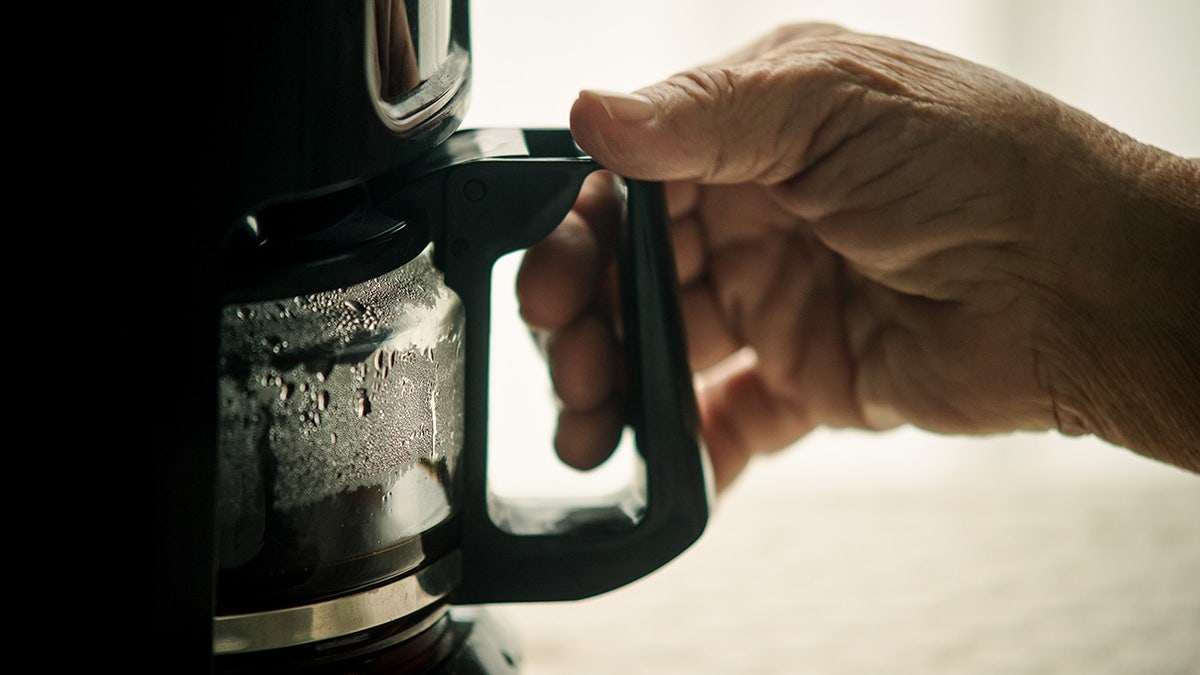
The study’s findings offer early clues about coffee’s possible effects on the gut-brain connection. (iStock)
"Changes in self-reported stress and depression scores should not be confused with evidence that coffee treats clinical depression," she also cautioned.
CLICK HERE TO DOWNLOAD THE FOX NEWS APP
Fox News Digital reached out to the researchers for additional comment and information.
Deirdre Bardolf is a lifestyle writer with Fox News Digital.
KioskNews shows a cleaned-up reading view extracted from the publisher’s page — the original always lives on their site, not ours.