10 Classic Books That Flopped at First

Jeremy has more than 2900 published articles on Collider to his name, and has been writing for the site since February 2022. He's an omnivore when it comes to his movie-watching diet, so will gladly watch and write about almost anything, from old Godzilla films to gangster flicks to samurai movies to classic musicals to the French New Wave to the MCU... well, maybe not the Disney+ shows.
His favorite directors include Martin Scorsese, Sergio Leone, Akira Kurosawa, Quentin Tarantino, Werner Herzog, John Woo, Bob Fosse, Fritz Lang, Guillermo del Toro, and Yoji Yamada. He's also very proud of the fact that he's seen every single Nicolas Cage movie released before 2022, even though doing so often felt like a tremendous waste of time. He's plagued by the question of whether or not The Room is genuinely terrible or some kind of accidental masterpiece, and has been for more than 12 years (and a similar number of viewings).
When he's not writing lists - and the occasional feature article - for Collider, he also likes to upload film reviews to his Letterboxd profile (username: Jeremy Urquhart) and Instagram account.
He has achieved his 2025 goal of reading all 13,467 novels written by Stephen King, and plans to spend the next year or two getting through the author's 82,756 short stories and 105,433 novellas.
When it comes to pointing out movies that didn’t set the box office on fire at release and/or weren't well-received by critics, it’s a little easier to do than the same exercise with books. Part of that comes down to cinema being a more recent medium, and one where box office numbers tend to be a little more well-known and reliable. And while online reviews have only existed for a few decades or so, people did review movies by other means, and some of those reviews have been archived.
So, it’s easy to look at movies like Blade Runner and The Thing as ones that took some years for more people to “get” them, and The Shawshank Redemption as a movie that underperformed at the box office before becoming one of the most widely-loved films (perhaps ever) thanks to home media and airings on TV. Looking back on the history of books, you can do this to some extent, but not as accurately. So, take the following with a grain of salt; maybe a dash of lemon, too. Whatever gets you through things. Some of these books have reviews from the times they were first published that were mixed, while others didn’t really take off sales-wise until a few years at least, and then there are also a couple of books here that are notable for how long they took to find a publisher willing to, you know, publish them.
10 'Frankenstein' (1818)

The history of Frankenstein and its release is fascinating, but in the interest of time, it can be condensed as such: it was published anonymously at first, in 1818, and then revised and re-published a little over a decade later with Mary Shelley’s name attached to it. This is far back enough that comparing what people thought about the novel in 1818 versus 1831 is a little hard to do…
…However, what is a bit easier to say is that, critically, it wasn’t until much later that people really “got” Frankenstein properly. It was probably shocking for its era, and maybe a little too ahead of its time, seeing as there’s so much that it did in terms of paving the way for both the science fiction and horror genres, such that literature as a whole would surely look very different had Frankenstein never been published at all.
9 'Dracula' (1897)

A book that sometimes feels like it goes together with Frankenstein, to some extent, even if they were released (quite surprisingly) 80-ish years apart, Dracula has some similar reasons for being here to that novel. It was ahead of its time, it would've been extra weird and creepy by the standards of the 19th century, and it’s more in line with what people expect out of horror literature nowadays, or at least in somewhat more recent times.
It was ahead of its time, it would've been extra weird and creepy by the standards of the 19th century, and it’s more in line with what people expect out of horror literature nowadays.
If you want a rundown of the premise, uh, it’s Dracula. That doesn’t mean it’s exactly in line with any of the famous movie adaptations, admittedly, but you probably know the broad strokes (there’s a Stoker pun in there somewhere, but I’m tired) here, just like how you probably know the broad strokes with Frankenstein. Like a lot of widely taught classics, it also took a while for it to catch on as one of the quintessential “teach it to high school students” novels.
8 'Stoner' (1965)

Honestly, Stoner taking some time to find popularity? It’s hard to diagnose a reason for that here. It’s like, there isn't anything here that feels like it would've been too off-putting or surprising to readers in 1965, and while Stoner does feel timeless, it’s not quite the sort of thing that feels ahead of its time. In some regards, it’s very of its time, but not really in a dated way, more just in the sense that it’s about a man born near the end of the 19th century and then living most of his life throughout the first few decades of the 20th century.
So, you look at that, and it’s like, yeah, slice-of-life book set some decades before the 1960s? Makes some sense for it to be written in the ‘60s. But Stoner is noteworthy for taking a few more decades to get the level of acclaim it had always deserved, being a book about the first half of the 20th century published in the second half of the 20th century yet not really getting attention until early in the 21st century. Again, hard to really know why.
7 'The Princess Bride' (1973)
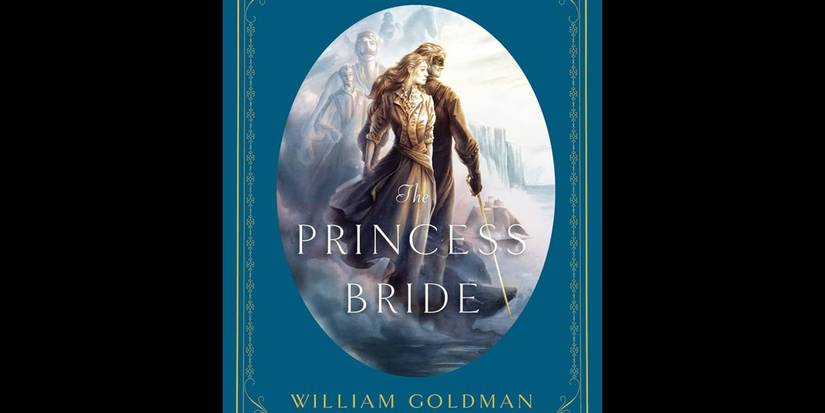
The Princess Bride (1973) has probably found a good deal of success post-1987, thanks to that movie adaptation being so beloved. And there’s nothing wrong with that, since movies getting people interested in reading… hey, any way it can happen, it’s always good. It’s hard to get angry about it, though some might be angry if they read the book and find it’s a bit different from the movie.
The framing device is different, and there are some other changes, though if you like getting two takes on the same premise/story (it can make both reading and watching a movie adaptation feel unexpectedly fresh on both those fronts), then you're in luck. The Princess Bride (1973) didn’t exactly set the world on fire at that time, but now, it’s probably a little too popular and well-liked to simply label a “cult classic” and then leave it at that. It’s more of a regular classic, honestly.
6 'Brave New World' (1932)
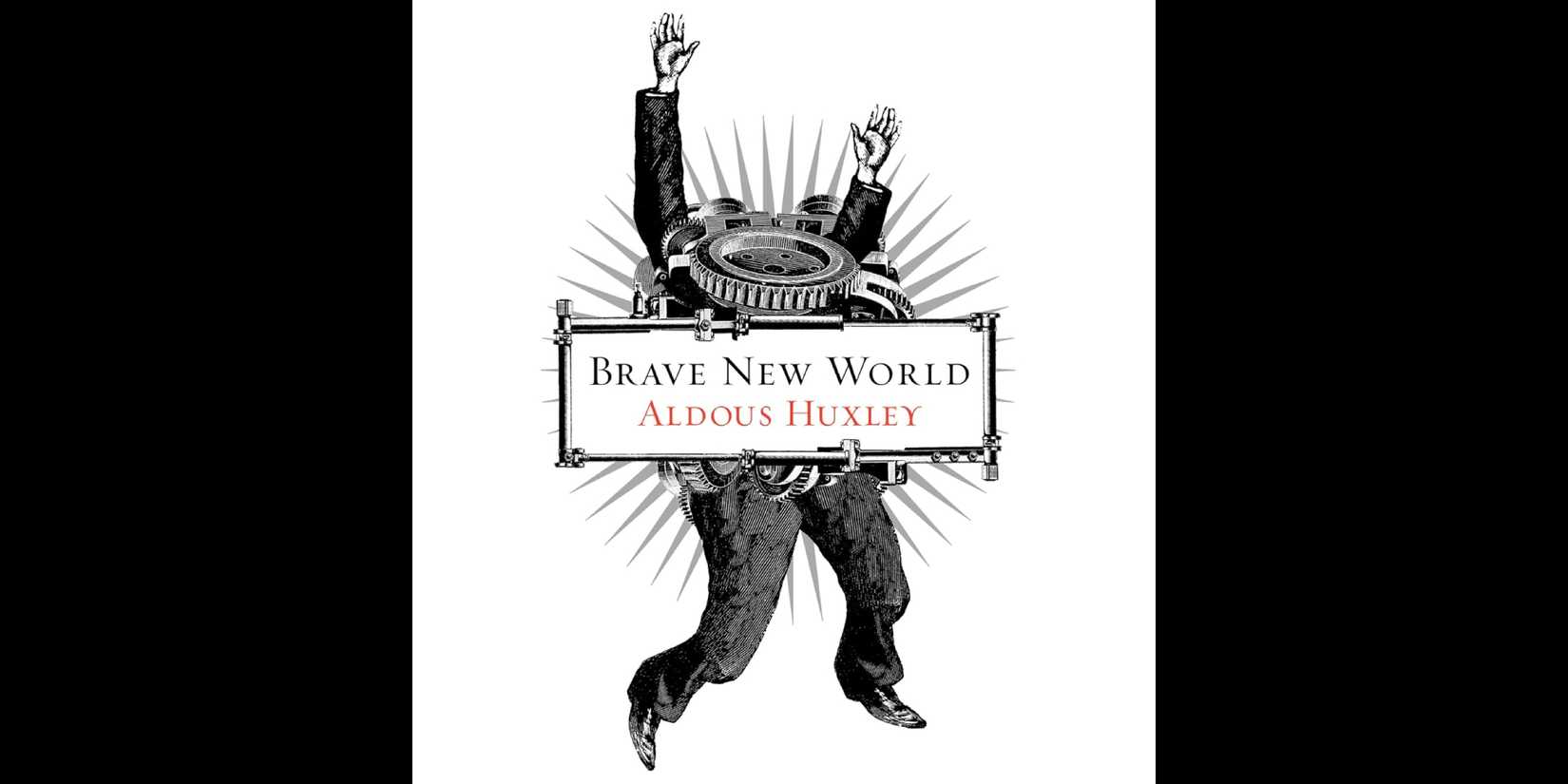
Since 1932 was a long while after 1818, Brave New World isn't as influential on the whole of science fiction as Frankenstein, admittedly, but as to its influence on a specific type of science fiction, being the dystopian sub-genre? It’s huge in that regard, being about a future where advanced technology has reshaped life in so many ways, but to put it mildly, not all those ways are exactly beneficial to the people whose lives have all been altered.
Before, when talking about Stoner, it was mentioned how it’s hard to see too much content there that would've been too shocking back when it was published. That can’t be said about Brave New World. This would have been an incredibly confronting book, and probably too uncomfortable for most readers, back in 1932 (almost a century ago now), but it’s not quite as disturbing now. Still a bit disturbing for sure, however, and now, with the benefit of hindsight, you can also observe how it influenced even more boundary-pushing and disquieting books in its wake.
5 'House of Leaves' (2000)
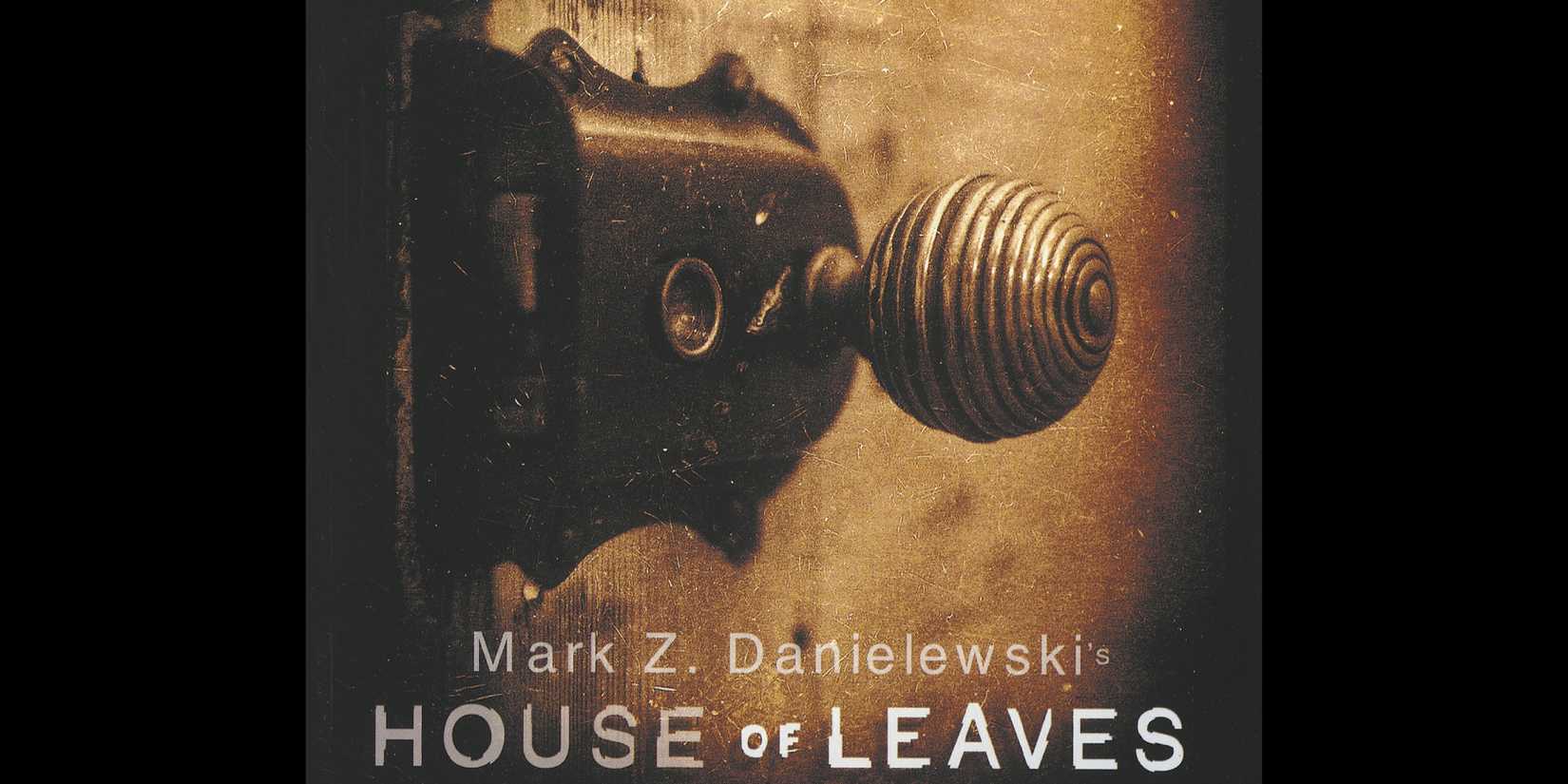
It’s not the easiest thing in the world to say a book from 2000 is a classic, at least compared to some of the other releases here, but House of Leaves is on its way to becoming a classic, and it was originally published more than a quarter of a century ago. It only became a true cult classic and then a phenomenon a little more recently, and that’s a testament to it still managing to feel at least a few years ahead of its time.
There is a creepiness to the horror here that’s in line with a good deal of horror you find online nowadays, what with the emphasis on liminal spaces and all. House of Leaves also benefits from re-reads and just letting it marinate, and that’s something people couldn’t really do back in 2000 (not that it’s the longest book in the world, but it is decently lengthy, and there is also a density here that makes absorbing the whole thing take a little more time than you might anticipate).
4 'The Lord of the Rings' (1954–1955)
This has been a list, but not so much a ranking. It’s hard to rank all these, since it was already hard to find examples for the topic at hand. But if all these were ranked, in terms of the most famously “overlooked” books that later became classics, The Lord of the Rings could be #1. The Lord of the Rings can’t help but be #1 whenever it appears on just about any ranking, it seems.
It was published in three volumes (though it is the one book) back in the mid-1950s, and while not entirely dismissed or ripped apart by critics, it wasn’t as enthusiastically received at first. Again, famously, it took until the 1960s and maybe even the 1970s for enough people to be all “Hang on, this is really good” before it was on its way to being considered an all-timer of a fantasy book. Nowadays, you'd probably struggle to find someone who likes reading who hasn’t either read The Lord of the Rings, or has a copy of it on their shelf, meaning to “get to it one of these days.”
3 'Dune' (1965)
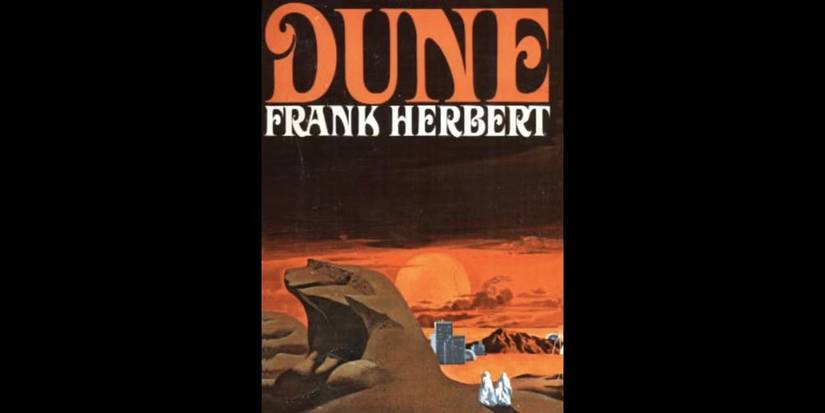
Dune is the first book in a series most people consider pretty great, if you're just looking at the books Frank Herbert completed and had published in his lifetime. Yet that first book (indeed, the best one) took a while to find a publisher, and that’s the main factor for it being here. When it did eventually get released, it was well-received quite early on, and then its critical standing only grew as time went by.
So, it’s the struggle to find a publisher that matters here. “20 rejections” is the number that gets thrown around, and another piece of trivia that’s often repeated is how the first time Dune was published in its complete form, it was by Chilton Books, which mostly published auto repair manuals. Dune, it’s safe to say, was a little more exciting than that, and for a while now, it’s been considered roughly at the same level of The Lord of the Rings in terms of quality and the sheer imagination on offer.
2 'A Confederacy of Dunces' (1980)

At the risk of repeating a bunch of what was just said about Dune, A Confederacy of Dunces is something that did take a notoriously long time to find a publisher, but then once it was published, it was acclaimed. The bitter part of it all, though, is that John Kennedy Toole didn’t get to see the novel become a success, as he wrote it more than a decade before it got published, and took his life at the age of just 31 in 1969.
He’d tried to get it published, with difficulty, and then his mother, Thelma Toole, also went through a lengthy process of trying to get A Confederacy of Dunces published posthumously and finally managed it in 1980. It’s otherwise an undeniable classic, but that tragic story about the lengthy journey it took from manuscript to published novel is a big part of the book’s overall legacy, not to mention a way in which it can be viewed as having been a “failure” (very) early on.
1 'Wuthering Heights' (1847)

It’s cool that Wuthering Heights still shocks and seems to divide people, looking at the 2026 film adaptation. Some would argue that one didn’t shock and rattle people in the right sort of way, and sure, the book was better, but from what is known about the time in which Wuthering Heights was first published, it seems as though people didn’t entirely know what to make of this book.
Even more so than most of the books here, it is way, waaaay ahead of its time. Wuthering Heights is an incredibly dark novel that’s not really a romance book, with it being more about obsession and a series of tragic events that happen because some unusual and tortured people get a little too passionate about certain things. Like with Frankenstein, people were probably a little confused by it all back in the 1800s, and indeed shocked in a way they, at the time, saw as “bad.” Or not good. Or something. Sorry, but not too dissimilar to the 2026 movie (okay, okay, time probably won’t be as kind to that one, but we’ll see).
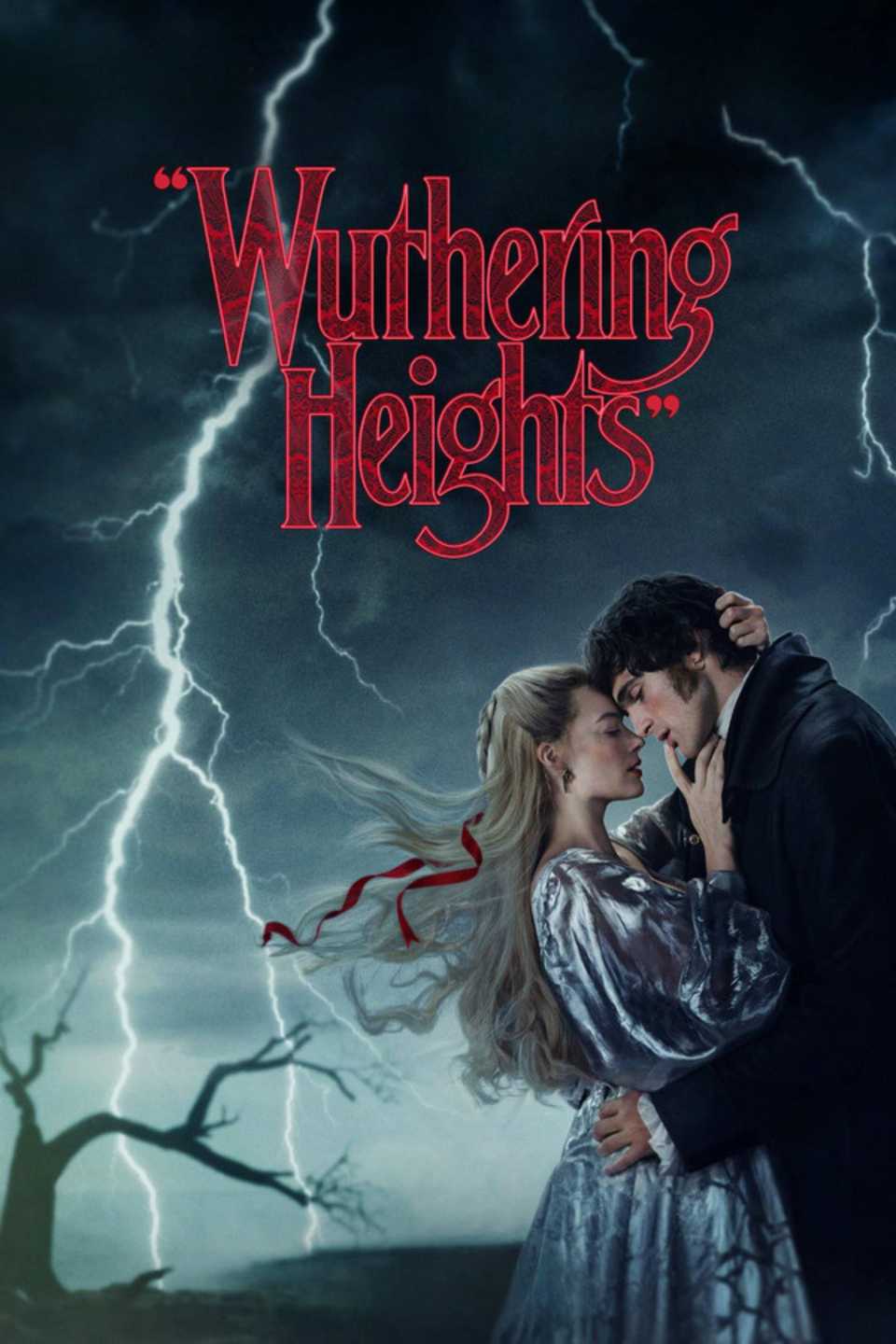
Wuthering Heights
2 10
- Release Date
- February 13, 2026
- Runtime
- 136 Minutes
- Director
- Emerald Fennell
- Writers
- Emerald Fennell, Emily Brontë
KioskNews shows a cleaned-up reading view extracted from the publisher’s page — the original always lives on their site, not ours.