The 7 Greatest Movie Masterpieces Over 3 Hours, Ranked

Ryan Heffernan is a Senior Writer at Collider. Storytelling has been one of his interests since an early age, with his appreciation for film and television becoming a particular interest of his during his teenage years.
This passion saw Ryan graduate from the University of Canberra in 2020 with an Honours Degree in Film Production. In the years since, he has found freelance work as a videographer and editor in the Canberra region while also becoming entrenched in the city's film-making community.
In addition to cinema and writing, Ryan's other major interest is sport, with him having a particular love for Australian Rules football, Formula 1, and cricket. He also has casual interests in reading, gaming, and history.
Three hours. 180 minutes. 10,800 seconds. Imagine every one of them being perfect. There is nothing in cinema quite like a truly great epic. The perfect marriage of narrative might, filmmaking craft, and creative ambition commands the screen, compels the audience, and applies the monumental runtime to extracting thematic depth and conjuring awe-inspiring scale.
To be crystal clear, the movies on this list must truly surpass three hours in length. As great as they are, The Godfather (175 minutes), Patton (172 minutes), and even the first two The Lord of the Rings movies (178 and 179 minutes respectively) have not been considered for this list, nor have extended editions or director’s cuts. Even with such omissions, the best movies that do cross the 180-minute mark encompass cinematic artistry and grandiosity at their most earnest, standing at the pinnacle of the form, for all 10,800+ seconds of their runtime.
7 'Lawrence of Arabia' (1962)

When people think of Lawrence of Arabia, they tend to envision the spectacular sweeping shots of the desert. David Lean’s descent into the harsh landscape is as gorgeous as it is grueling, with cinematographer Freddie Young capturing a sense of man’s smallness amid an enormous backdrop of sand dunes and blue skies. However, Lawrence of Arabia isn’t just a procession of pretty pictures; it is a profound character study that thrives off the back of Peter O’Toole’s performance and Lean’s endeavor to make every second of the 226-minute runtime count.
The biographical epic follows T. E. Lawrence, a lieutenant in the British Army tasked with uniting the feuding Arab tribes to fight as one force against the Turks as WWI rages on. However, as Lawrence befriends the Arabs, the movie shifts away from being a traditional war epic and becomes an enticing, morally complex exploration of hubris, duty, loyalty, and individualism. Ego, eccentricity, and emotional turmoil play as much a part in Lawrence’s journey as his far-famed tactical nous and military exploits. It culminates in one of Hollywood’s most quintessential achievements, an ageless icon of cinematic majesty.
6 'The Human Condition' Trilogy (1959-1961)

It may seem disingenuous to put an entire trilogy in one spot, but the criminally underrated The Human Condition is a masterpiece of international cinema that never dips in quality. Each of the three films is three hours long in its own right. Watching the full story from beginning to end takes 579 minutes (just over nine-and-a-half hours), but it is worth every second of the commitment as it delivers one of the most emotionally raw and powerful anti-war tales ever put to screen.
It is a towering tale of idealism and humanity clashing with the machine-like brutality of totalitarianism. The saga follows a conscientious objector from Japan as he is embroiled in WWII, with everything from POW camps to the front lines of the Pacific Theater corroding his resolve and his philosophical convictions. It’s a tragic odyssey of morality in the face of compliance and destruction, one steeped in a very real sense of disillusionment courtesy of director Masaki Kobayashi and star Tatsuya Nakadai’s own wartime emotions.
5 'Barry Lyndon' (1975)
Breathtaking from its opening frame to its last, Barry Lyndon is revered as being one of the most picturesque and painterly movies ever made. Stanley Kubrick’s visionary brilliance and cinematographer John Alcott’s expertise combine to realize an astonishing creative vision that seeks to imitate 18th-century art with natural lighting and ravishing production design. The result is defining of cinematic majesty, and yet there is so much more to the 1975 historical epic than just its lauded visual display.
It is a satirical meditation on status that undercuts the idea of elitism with Redmond Barry’s (Ryan O’Neal) unabashed opportunism. The Irish rogue climbs the social ladder any way he can; he longs to be a "gentleman" and doesn't care how much he has to steal, cheat, and fight to achieve it. The realization of this pendulum of prosperity is patient, to be sure, but the meticulous pacing is imbued with a sense of gravitas. It makes Barry Lyndon ceaselessly hypnotic across its 185-minute runtime. It is arguably even more compelling today given its cynical dissection of class structure and the ageless beauty of its technical artistry.
4 'Schindler's List' (1993)
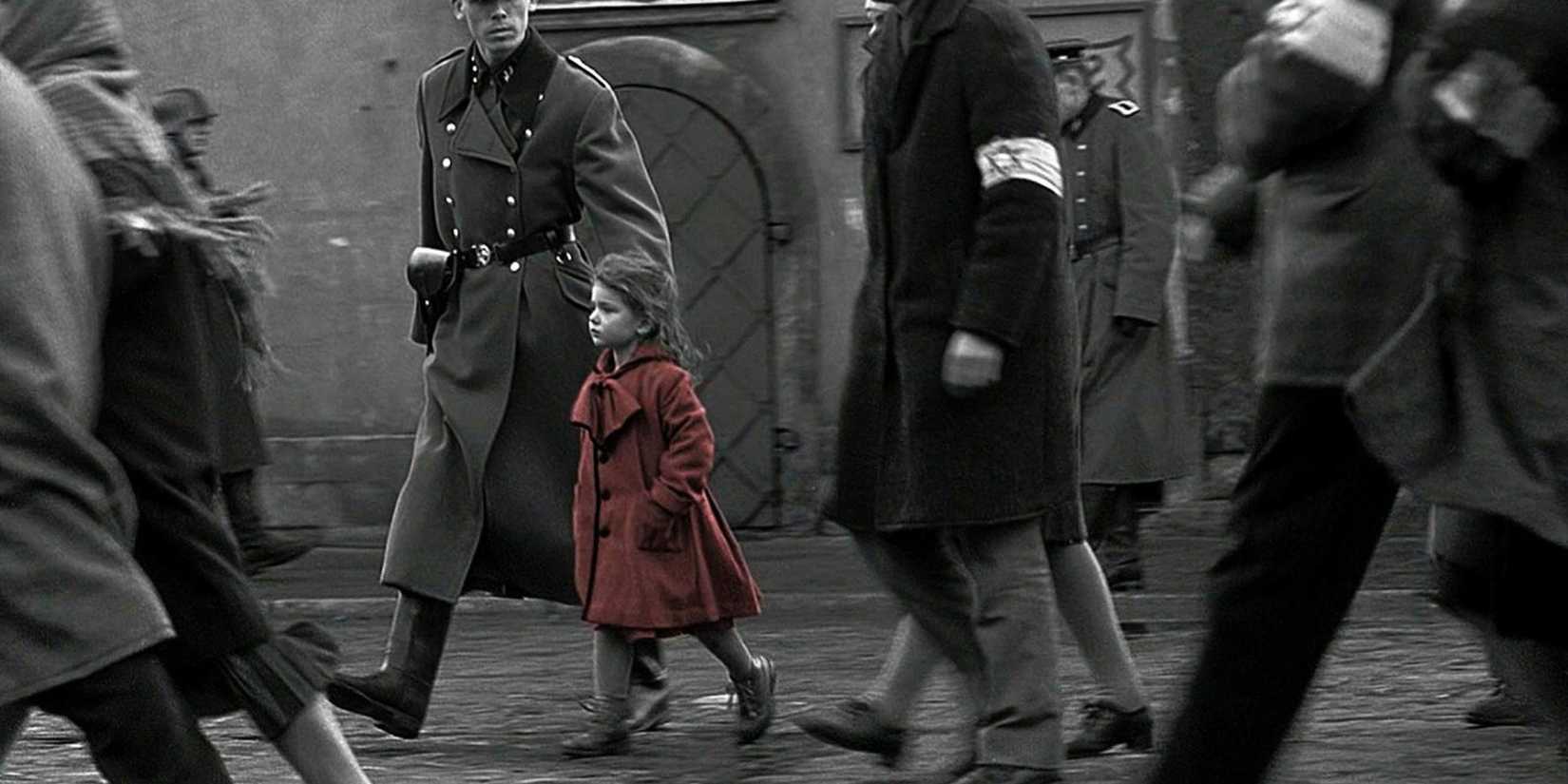
A frightfully devastating deep-dive into the horrors of the Holocaust, Schindler’s List is understandably viewed by many as being a quintessential cinematic masterpiece that they will only watch once. It dramatizes the heroics of Oskar Schindler (Liam Neeson), a charismatic Nazi Party member who uses his influence to recruit prisoners in the concentration camps as workers in his factories. Under the guise of maintaining productivity, Schindler negotiates to ensure his workers remain unharmed, thus saving hundreds of innocent lives.
Schindler’s cunning and courage are hallmarks of the film, but so much of its dramatic urgency comes from the succinct brutality with which it depicts violence, inhumanity, and death in the camps. It is a display of piercing, soul-shaking power, and it is perhaps the single greatest testament to Steven Spielberg’s genius as a filmmaker, a harrowing achievement that uses everything from John Williams’ haunting score to subtle glimpses of color amid the black-and-white cinematography to enrapture viewers in its terrible potency.
3 'The Lord of the Rings: The Return of the King' (2003)

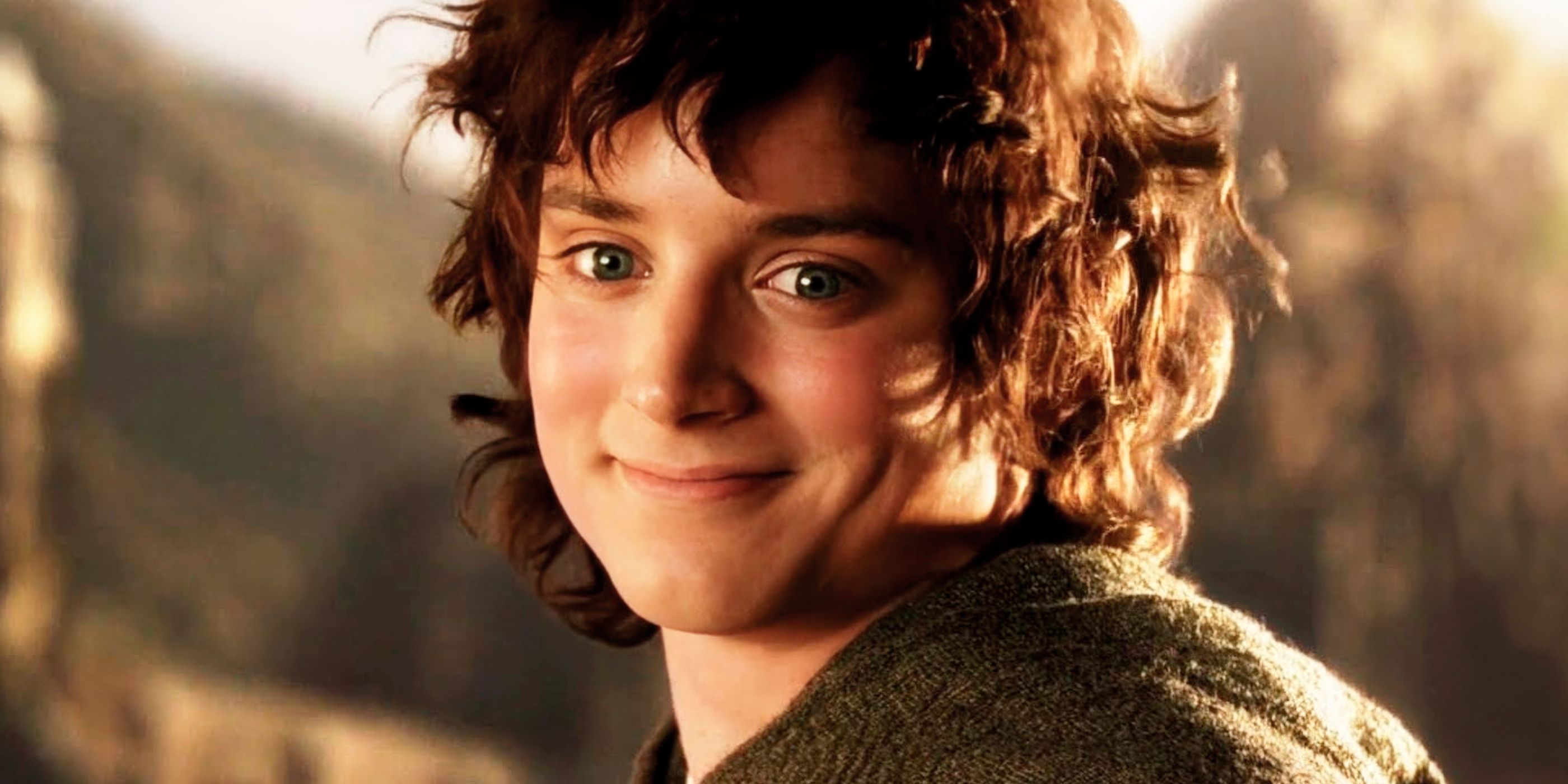
Were the extended editions to be considered for this list, The Lord of the Rings as a trilogy could easily have featured, and very high up. As it stands, however, The Lord of the Rings: The Return of the King was the only movie of the three to release in cinemas with a runtime surpassing three hours (201 minutes to be exact). It marks the climactic triumph of Peter Jackson’s stunning adaptation of J. R. R. Tolkien’s famous fantasy novels, and it follows Frodo Baggins (Elijah Wood) completing his perilous journey to Mount Doom while the other members of the Fellowship prepare to meet Mordor’s forces in battle.
Every single aspect of production is handled with astute mastery. The practical filmmaking and digital effects work wonderfully in tandem. The acting is faultless across the board. The set design and production value are still astonishing today. And Howard Shore’s score imbues every major sequence with the rousing triumph and tender humanity it requires. Peter Jackson delivers one of the most engrossing epic movies of all time, arguably the defining masterpiece of fantasy cinema. In both its own right and as the climax of the trilogy, The Return of the King presents 201 minutes of cinematic majesty.
2 'The Godfather Part II' (1974)

Is it one of those rare sequels that surpasses its predecessor? Well, that is up to each individual to decide. There is no doubt The Godfather Part II is a bigger picture, not only in how it adds almost half an hour to the original’s 175-minute runtime, but also in how it splits its narrative focus across two major plot threads decades apart. In the aftermath of The Godfather, Michael Corleone (Al Pacino) encounters opposition as he tries to expand his family’s crime empire. At the start of the 20th century, a young Vito Corleone (Robert De Niro) begins to rise up the ranks of the criminal world of New York City.
Francis Ford Coppola’s ability to seamlessly interweave the dual stories while using them both as thematic catalysts exploring opposite sides of the darkness of the American dream is impeccable. Vito uses crime as a pathway to a life beyond poverty, while Michael’s enterprising ambition threatens to spell the end of his family empire. Gordon Willis’ gorgeous cinematography and Nino Rota’s haunting score only heighten this piercing narrative focus. It makes The Godfather Part II a compelling epic that still stands at the pinnacle of crime cinema 52 years on from its release.
1 'Seven Samurai' (1954)

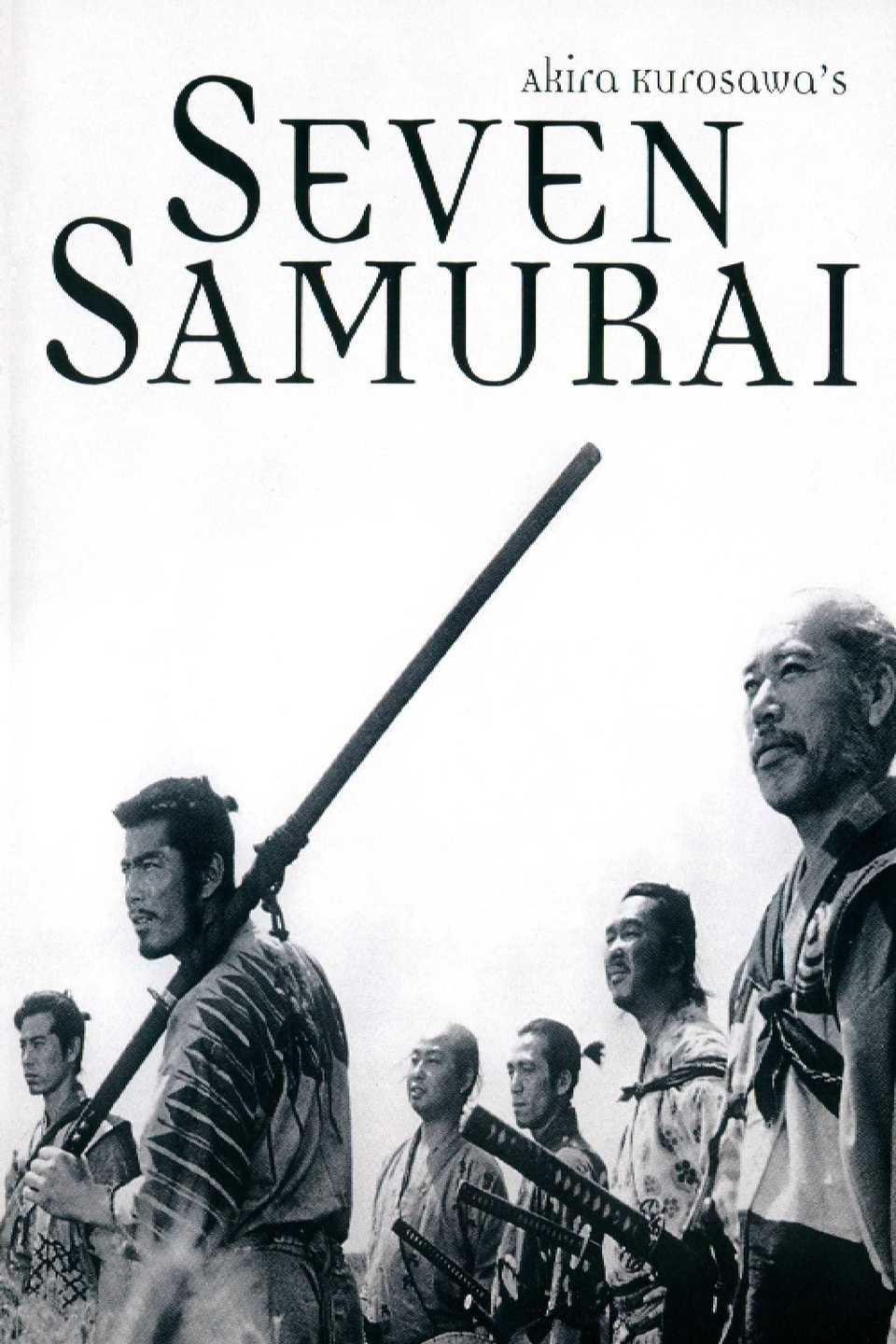
It is 72 years old, and it has spawned hundreds of imitators over the decades, many of them being admirable movies too. The fact remains that Seven Samurai is an unsurpassed masterpiece, not only of action-adventure filmmaking, but of cinema at large as well. Japanese maestro Akira Kurosawa is at his absolute best in every shot of the 207-minute picture, from his trademark use of nature as a visual storytelling tool to the sweeping grandeur of the camera movements, and even to the precision of the framing and blocking.
Kurosawa’s ability to combine the epic with the intimate is on full display as well, with the heroism of seven samurai agreeing to help a poor village defend itself from bandits being beautifully offset by quiet meditations on honor and morality. It takes great care to explore the complex and often distrustful dynamic between peasants and samurai as well, with the uneasy tension buoyed by the urgency of the training. Seven Samurai takes its time developing these dynamics and ideas, and when the time does finally come for action, it is astonishing.
Seven Samurai
- Release Date
- April 26, 1954
- Cast
- Toshiro Mifune, Takashi Shimura, Kamatari Fujiwara, Daisuke Katô, Yukiko Shimazaki, Isao Kimura, Minoru Chiaki
- Runtime
- 207 Minutes
- Director
- Akira Kurosawa
- Writers
- Akira Kurosawa
KioskNews shows a cleaned-up reading view extracted from the publisher’s page — the original always lives on their site, not ours.