Burnham’s key takeaways from conference speech – and all pledges he’s made since becoming PM
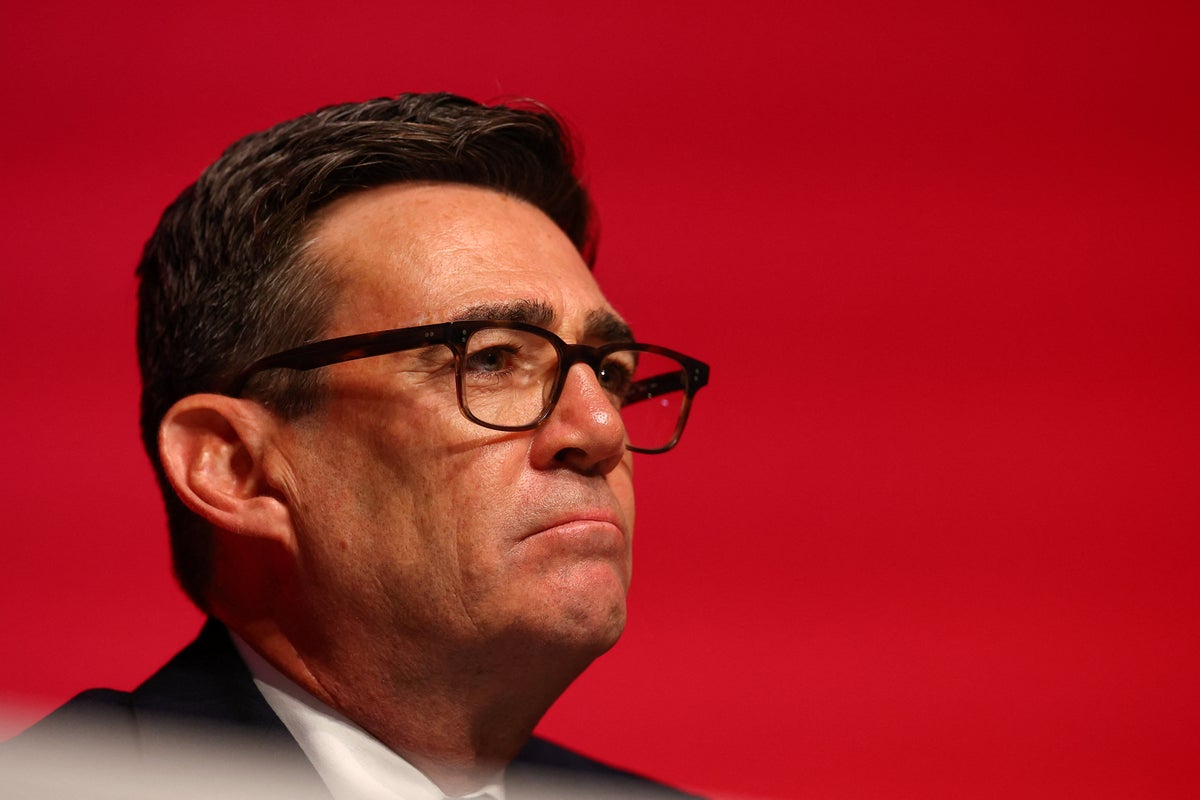
Just over two months after becoming prime minister, Andy Burnham will deliver his first speech at the Labour conference as the party’s leader.
The start of the former Manchester mayor’s premiership has been marked by a flurry of policy announcements, as he looks to show a clear departure from his predecessor.
Political polling would suggest he has been successful in turning the Labour Party’s dire popularity around, recently overtaking Reform UK in voting intention for the first time since March 2025 – but just hours before his speech, Reform leapfrogged Labour to lead once again.
Mr Burnham has maintained a focus on the cost of living in his opening months, alongside a push for devolution and public control of utilities.
More details of his plan for Britain are expected in his speech on Tuesday, where he is expected to set out a “prospectus” to take the country forward.
Speaking in Liverpool, the prime minister will say: “We can’t carry on as we are. Politics-as-usual has taken Britain backwards. More of the same isn’t good enough and isn’t going to get us where we need to be.”
It will be a defining moment of his premiership, followed by an equally significant Budget set to be delivered by chancellor John Healey at the end of the month.
Here is an overview of what Mr Burnham has pledged so far as prime minister:
Help for first-time buyers
Announced just ahead of the Labour conference, the new ‘Your First Home’ scheme will give savers access to a mortgage with just a 2.5 per cent deposit. A loan with 20 per cent of the property’s value will also be available to help pay for the purchase as part of the scheme.
The scheme will help young people who “can’t call on the bank of mum and dad” to afford a first home, the prime minister said, with more details expected at the Budget.
It builds on the Help to Buy scheme, which ran from 2013 to 2023 under previous Conservative administrations.
New social care service
Mr Burnham has set out his vision for everyone to be able to access a free social care service in the future, building on proposals he first put forward as Labour’s health minister in 2009.
He has promised sweeping reform of the social care system ahead of this, vowing upon taking office to empower the workforce by integrating staff with the NHS to boost pay and security.
The prime minister also announced he would expedite Baroness Louise Casey’s commission into social care, bringing its deadline forward from 2028 to next year.
Energy bills and ‘GB Grid’
One of Mr Burnham’s first moves as prime minister was to scrap VAT on household electricity bills from October, expected to cut £45 from the average household’s energy bills.
Ahead of the Labour Party conference, it was announced the government will also launch a new state-backed body to invest in the electricity grid: GB Grid.
This will be able to compete with privately owned companies such as National Grid, with Mr Burnham expected to outline his ambition to reduce Britain’s energy costs to match the rest of Europe’s within 10 years.
Bus fares capped
The £2 bus fare cap has been reinstated, Mr Burnham announced early into his premiership, reversing the decision to increase it by his predecessor Sir Keir Starmer.
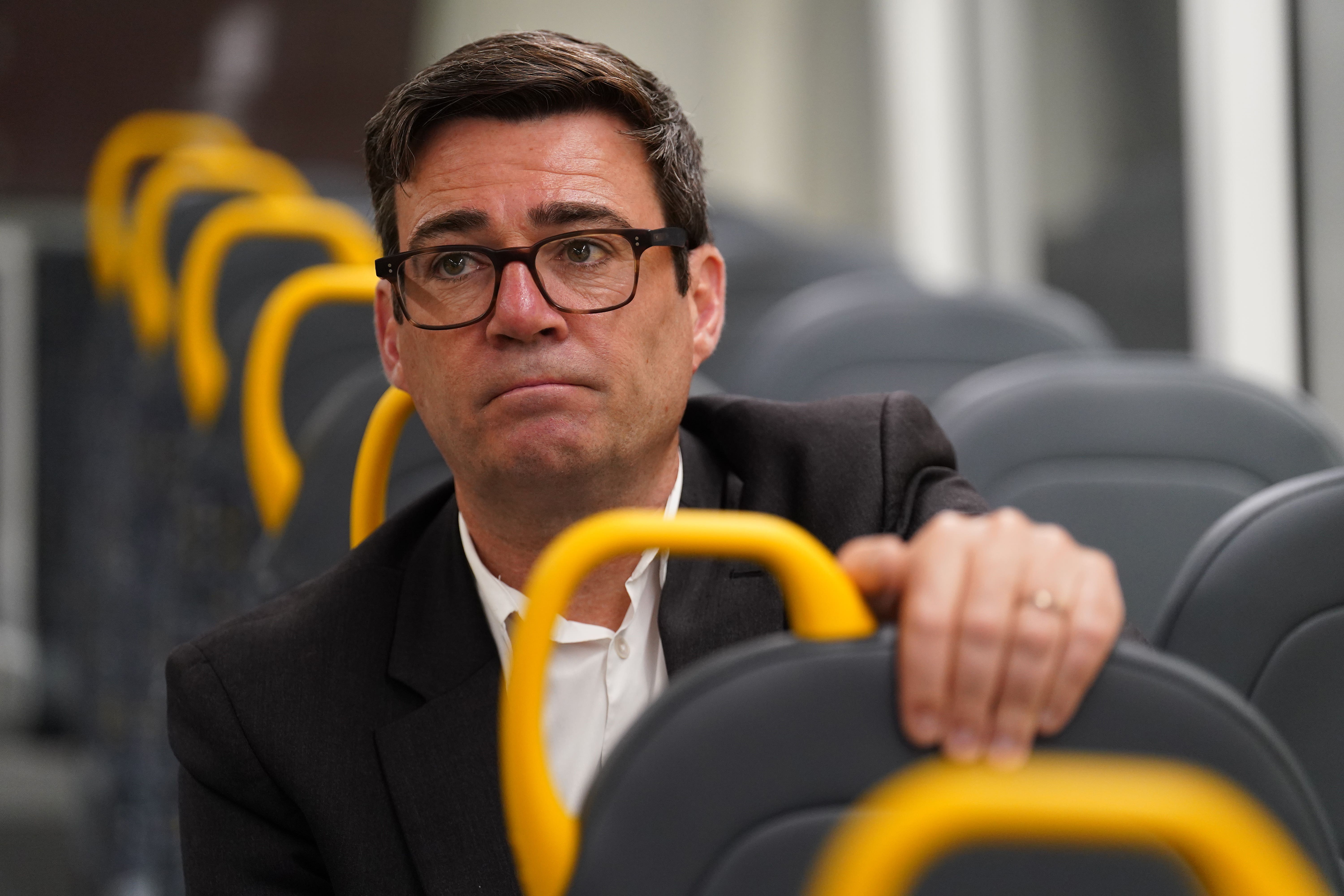
Reinstating this maximum fare will partly be funded by switching grants for international climate projects to repayable loans instead.
A plan to end rough sleeping
Mr Burnham used his inaugural speech as PM to say that his “first instruction” will be to “end rough sleeping in our country”.
In further details set out by Number 10, £340 million in funding was announced to go towards acquiring suitable homes, identifying those most in need and starting to provide housing and support “without delay”.
The funding will provide 1,200 homes and intensive support for at least 3,000 long-term rough sleepers over a five-year period, the government said.
Number 10 North
One of Mr Burnham’s flagship proposals was the creation of an outpost of Downing Street based in Manchester, dubbed “No 10 in the North”.
This is currently based at Heron House, an existing government building partially occupied by GCHQ, where Mr Burnham is understood to be based one day a week.
Business rates rebalanced
Business rates for pubs, clubs and music venues in England will be cut by 20 per cent from April, saving the typical pub an estimated £1,100, according to the government.
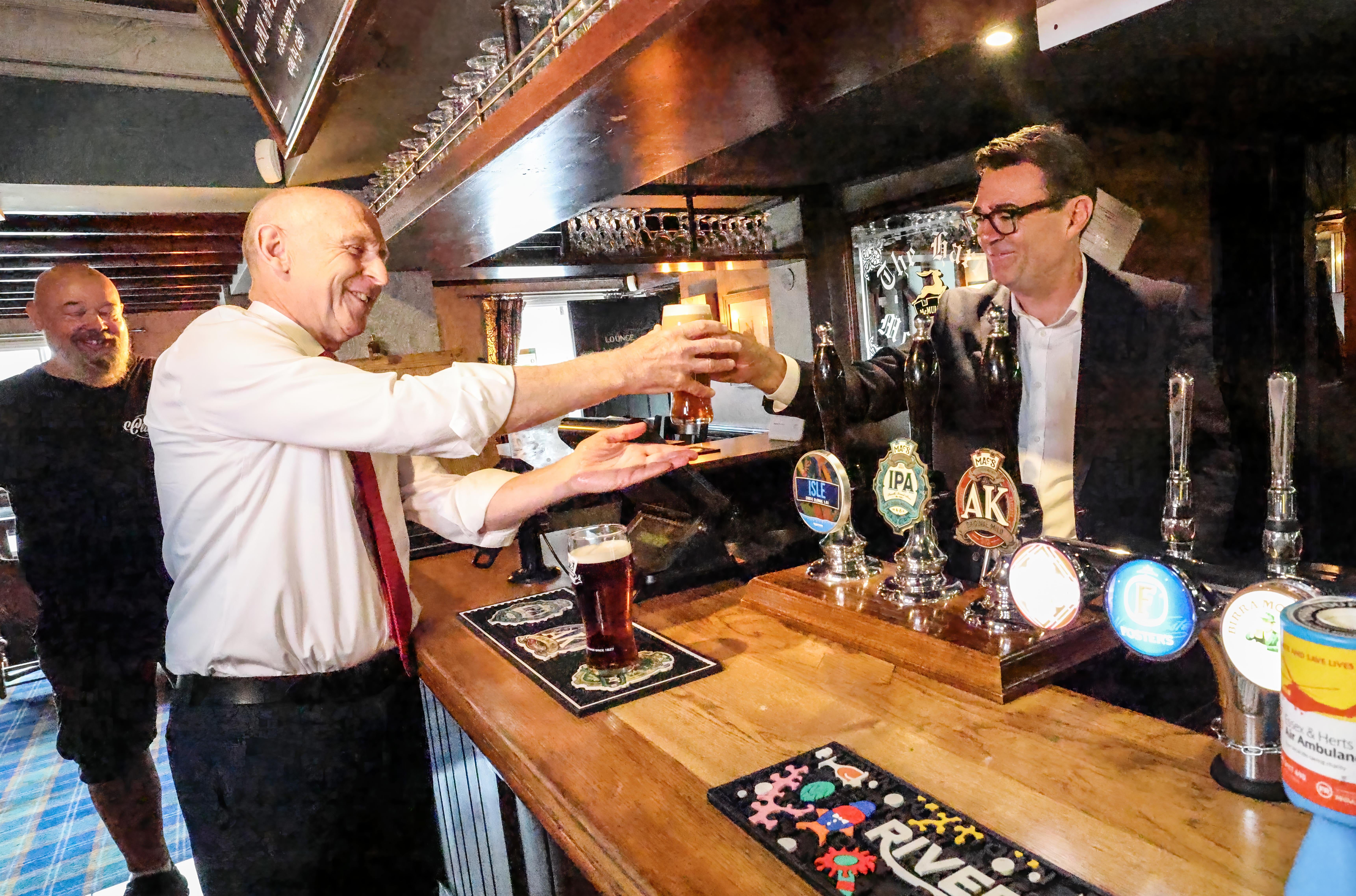
Ministers say the £100m package will be fully funded. This will be partly through a review of reliefs for businesses that “do not make a positive contribution to local communities”, such as vape shops.
Tax sharing for mayors
Metro mayors across England will be granted new powers to retain a portion of locally raised tax revenue under fresh devolution plans.
Mr Burnham confirmed the policy during a visit to Leeds, stating that regions need “true financial autonomy, not just hand-outs from Westminster”.
The policy will allow more mayors to keep a portion of business rates raised in their area from spring, and eventually a percentage of income tax raised locally.
Education overhaul
Mr Burnham has also announced a major shake-up to the education system, designed to rebalance its focus away from university and towards technical qualifications.
Under the plans, students will have the option to combine core academic subjects like English, maths and science with technical education linked to jobs available in their area.
This route will be available from age 14, in Year 10. Students taking this pathway will also spend time with employers to gain work experience.
Migration, defence and welfare
On illegal migration, Mr Burnham has pledged the government will be “relentless” in lowering the number of people arriving in the UK on small boats. Home secretary Shabana Mahmood retained her post in the new government, indicating an intention to continue with the direction of the previous administration in this area.
On defence, Mr Burnham has announced a £8.4bn investment in the UK’s nuclear deterrent in the fourth phase of the UK’s Dreadnought Class submarine programme.
The prime minister has also said the UK needs to get “serious” about welfare spending. More details on his plans are set to be revealed later this year, but a spokesperson for Mr Burnham has said they will not take the form of “crude cuts”.
KioskNews shows a cleaned-up reading view extracted from the publisher’s page — the original always lives on their site, not ours.