‘Very strong’ El Niño now active in tropical Pacific, says Pagasa
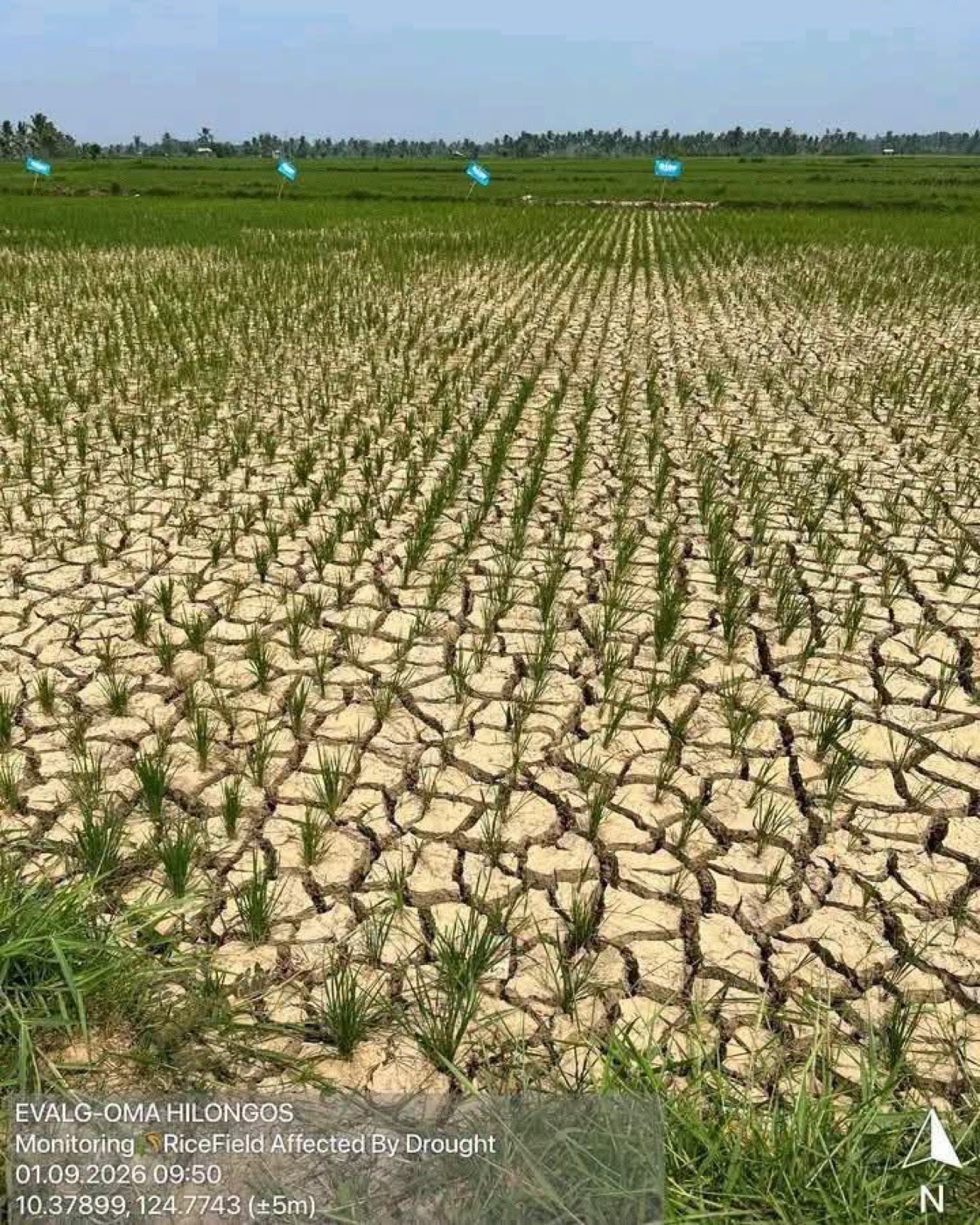
MANILA, Philippines – A “very strong El Nino” event has formed in the tropical Pacific and is expected to peak by the end of the year, a state weather bureau official said on Wednesday, with lingering impacts likely to persist through mid-2027.
The Philippine Atmospheric, Geophysical and Astronomical Services Administration (Pagasa) is expected to issue its sixth El Nino advisory later today that warns the climate phenomenon has intensified into a “very strong” event that threatens to worsen drought conditions, according to the weather bureau’s climate monitoring chief Ana Liza Solis.
“As of today, a very strong El Nino is now present in the tropical Pacific,” she told lawmakers at a congressional briefing.
Article continues after this advertisement
READ: ‘Very strong El Niño’ to persist in PH until early 2027 – Pagasa
FEATURED STORIES
NEWSINFO
NEWSINFO
NEWSINFO
“For our climate outlook, there will be prolonged dry spells that will lead to meteorological drought conditions, and even other forms of drought, such as agricultural and hydrological drought,” she added. “Let’s hope we don’t fall into a socioeconomic drought. But there is always a possibility.”
El Nino refers to warmer-than-normal ocean surface temperatures in the central and eastern equatorial Pacific.
Though cool seasonal winds from the northeast monsoon have begun reaching the Philippines, Solis said that the intensifying El Nino event could mute the seasonal wind’s typical cooling effect.
And she said that the Philippines might potentially face up to two storms before year end.
“In terms of tropical cyclones, we still might have one or two through November to December,” said Solis. /mr
KioskNews shows a cleaned-up reading view extracted from the publisher’s page — the original always lives on their site, not ours.