Boeing-Lockheed firm’s rocket fails after launch
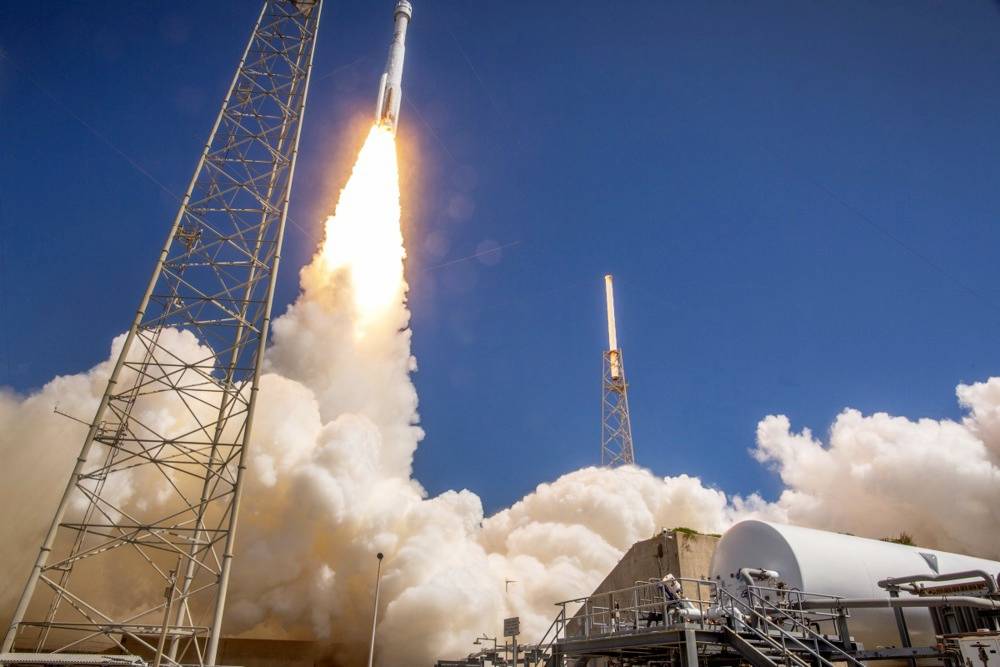
A Vulcan rocket owned by United Launch Alliance, the joint venture of Boeing and Lockheed Martin, failed on Sunday shortly after launch from Florida, destroying its payload of 40 satellites for Amazon’s Leo internet network in the company’s first mission failure.
The rocket failed roughly 10 minutes after liftoff, and the cause was not immediately clear.
It represented a major setback for the two-decade-old company’s new flagship rocket as it sought to begin a regular cadence of launches for Amazon’s burgeoning satellite internet constellation.
“Based on data received by our Launch Director, we confirm that the Vulcan vehicle launched from Space Launch Complex 41 suffered an anomaly 10 minutes into the flight and failed to deliver the Amazon mission to orbit,” ULA said in a statement.
“Every flight generates data, and every flight teaches us something. Since the anomaly just occurred, we don’t have any specific data yet to understand what occurred today,” it said.
KioskNews shows a cleaned-up reading view extracted from the publisher’s page — the original always lives on their site, not ours.