Incoming calls on your phone will soon show the caller’s name. Here’s how
The service would only be available to users at least on a 4G network, as the department said the rollout for 2G and 3G networks, as well as landline connections, will be considered separately.
Starting November 1, telecom operators like Airtel, Jio, and Vodafone Idea will have to make caller name identification mandatory for mobile users, according to a circular issued by the Department of Telecommunications (DoT).
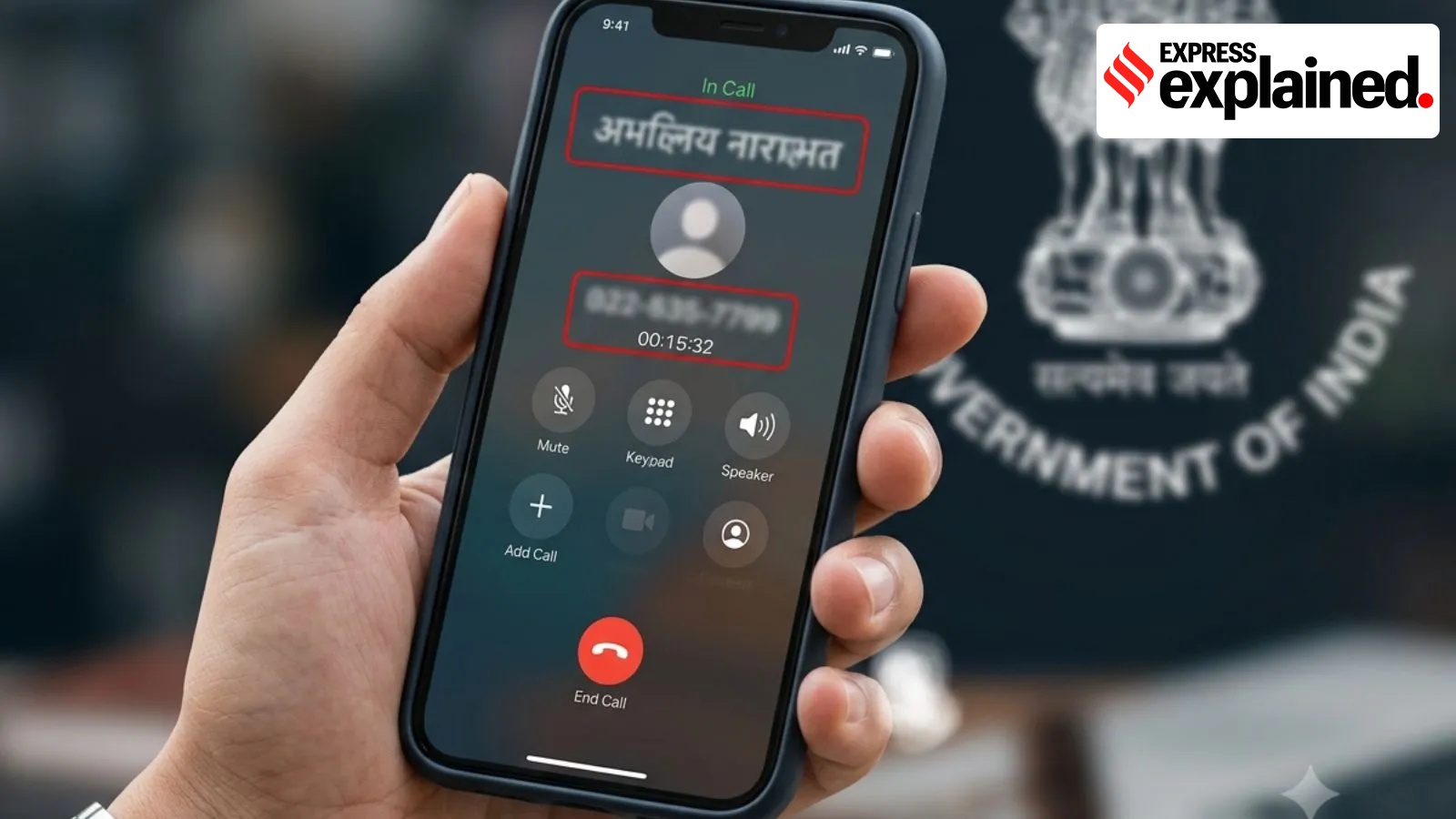
Essentially, when a user receives a phone call, the caller’s name will also be visible. Technically called Caller Name Presentation (CNAP), the move is being seen as a push towards helping users get a clearer idea before responding, and comes amid widespread instances of online fraud, such as digital arrests.
“At the time when a call is incoming, calling name presentation service presents the calling name identity of the calling user on the user terminal of the called user. Calling name identity is the name of the calling user as recorded in subscriber data record of the originating telecommunication service provider and such identity is included in the calling line identification of such user,” the DoT said in its circular.
The service would only be available to users at least on a 4G network, as the department said the rollout for 2G and 3G networks, as well as landline connections, will be considered separately.
How will the new caller ID service work?
The telecom operator on whose network the call is originating will provide the calling name presentation service, without requiring any separate request from a user.
The call identification will have two fields: the first field shall contain the telecommunication identifier assigned to the calling user by the originating telco (read: phone number), as per existing practice, and the second field shall contain the name of the calling user.
In case a user receives a call from a number they have already saved, that name will show during the call. Where a number is not saved, the name of the user as registered in the database will be shown in case of a domestic call, and as “international call” when it originates from abroad.
Story continues below this ad
Keeping in view users’ privacy, the DoT has asked telcos to follow a “security-by-design approach,” by not allowing for retention of calling name identity after a call is completed. Subscribers who have enabled Calling Line Identification Restriction (CLIR) will also be exempt from the system. Their names will not be listed in CNAP. It further urged telcos to ensure that the database, network and connectivity infrastructure.
What about businesses and bulk numbers?
Users who hold business connections or bulk connections can avail a facility of having a name of their choice, different from the one found in the operator’s subscriber database for display purposes.
The preferred name of the user shall be either a trade mark registered in their name as per the records of the Trade Marks Registry under the Controller General of Patents, Designs and Trade Marks, Department for Promotion of Industry and Internal Trade, or a trade name of the user as registered on the Goods and Services Tax portal.
While assigning a preferred name to a user, the telcos will have to undertake due diligence and make and maintain with it a true copy of documents showing proof that the user is registered under such name.
© The Indian Express Pvt Ltd

Soumyarendra Barik is a Special Correspondent with The Indian Express, specializing in the complex and evolving intersection of technology, policy, and society. With over five years of newsroom experience, he is a key voice in documenting how digital transformations impact the daily lives of Indian citizens. Expertise & Focus Areas Barik’s reporting delves into the regulatory and human aspects of the tech world. His core areas of focus include: The Gig Economy: He extensively covers the rights and working conditions of gig workers in India. Tech Policy & Regulation: Analysis of policy interventions that impact Big Tech companies and the broader digital ecosystem. Digital Rights: Reporting on data privacy, internet freedom, and India's prevalent digital divide. Authoritativeness & On-Ground Reporting: Barik is known for his immersive and data-driven approach to journalism. A notable example of his commitment to authentic storytelling involves him tailing a food delivery worker for over 12 hours. This investigative piece quantified the meager earnings and physical toll involved in the profession, providing a verified, ground-level perspective often missing in tech reporting. Personal Interests Outside of the newsroom, Soumyarendra is a self-confessed nerd about horology (watches), follows Formula 1 racing closely, and is an avid football fan. Find all stories by Soumyarendra Barik here. ... Read More
KioskNews shows a cleaned-up reading view extracted from the publisher’s page — the original always lives on their site, not ours.