Analysis: Friends, Frenemies, Friends Again, Congress-Trinamool Relationship Comes Full Circle
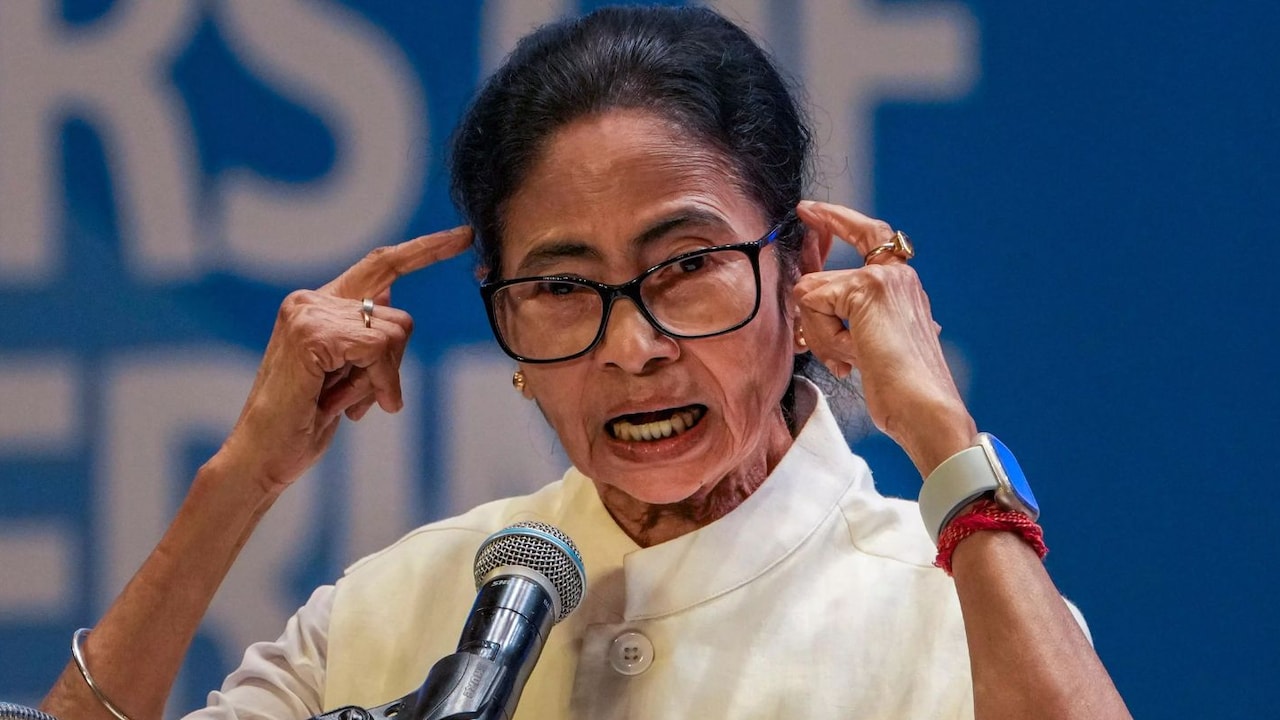
Hours after her papers for the Nandigram Assembly by-election were filed, Sanchita Pradhan Dey from Mamata Banerjee's Trinamool Congress met Chief Minister Suvendu Adhikari and withdrew from the race. Immediately after that, on Friday, Mamata announced support for the Congress candidate, Milan Pradhan, but he was then in connection with an old case. But the story did not end there, and the setback may hold a hint for the future.
A new political question has now emerged: Is a Congress-Mamata alliance possible again?
The Congress-TMC relationship has gone through many ups and downs, even before Mamata was left reeling from her party's split recently after the BJP ended her rule in Bengal. In this 'Kabhi Khush Kabhi Gham', it appears the relationship has come full circle.
To understand that, we have to go back to the very birth of the TMC after Mamata left the Congress.
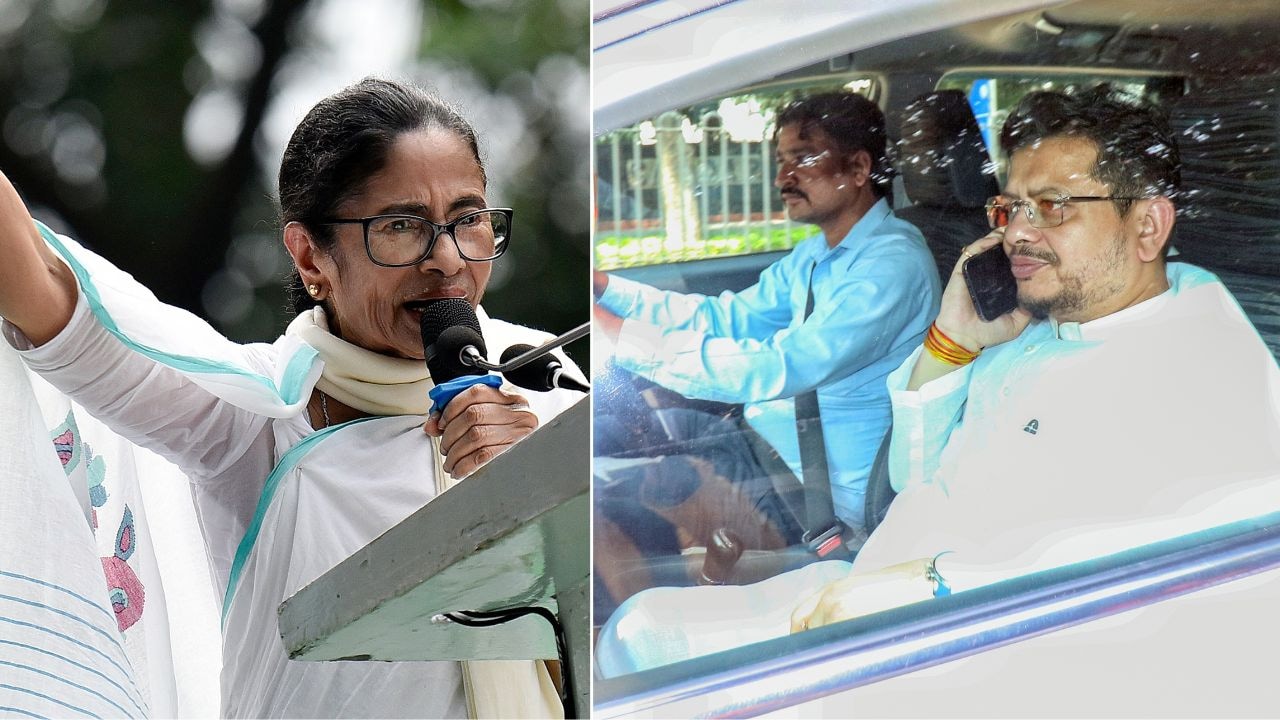
Mamata's party has been split at the state level by Ritabrata Banerjee.
On January 1, 1998, the Trinamool Congress was founded in opposition to the Congress because, according to Mamata's allegation at the time, the party had not allowed her to fight the then ruling CPI(M)-led Left alliance in the manner she wanted to.
In the 1998-1999 Lok Sabha period immediately thereafter, the TMC was with the BJP-led NDA. She
Then came the 2001 Assembly election. In that election, Mamata, the Congress and, indirectly, even the BJP supported her Mahajot (mega alliance) idea to defeat the Left. BJP's LK Advani was in on the strategy to support the Mahajot and end Communist Raj in Bengal. The result, however, did not achieve that objective. The Left Front won 199 seats, while the Mahajot won 60.
Subsequently, Mamata, the BJP and the Congress were largely fighting the CPM separately.
By the 2009 Lok Sabha polls, when the joint objective again became to defeat the CPM that had been in power since the 1970s, the Congress and the TMC reached a seat-sharing arrangement. The TMC won 19 Lok Sabha seats, the Congress six and the SUCI one, while the Left's tally fell to 15, of the 42 in Bengal. The TMC joined the Congress-led UPA at the Centre.
After three decades, the Left had lost its political dominance, though it still had the state government. Then came 2011, which became the real gamechanger. In the Assembly polls, the TMC and Congress won 226 seats (TMC 184, Congress 42), ending the Left Front's 34-year rule. The Left was reduced to 62 seats.
Mamata Banerjee became chief minister. The Congress received two ministerial positions in her cabinet. That was the successful phase of the Congress-TMC alliance. That is the history that needs to be remembered when we look at today's developments.
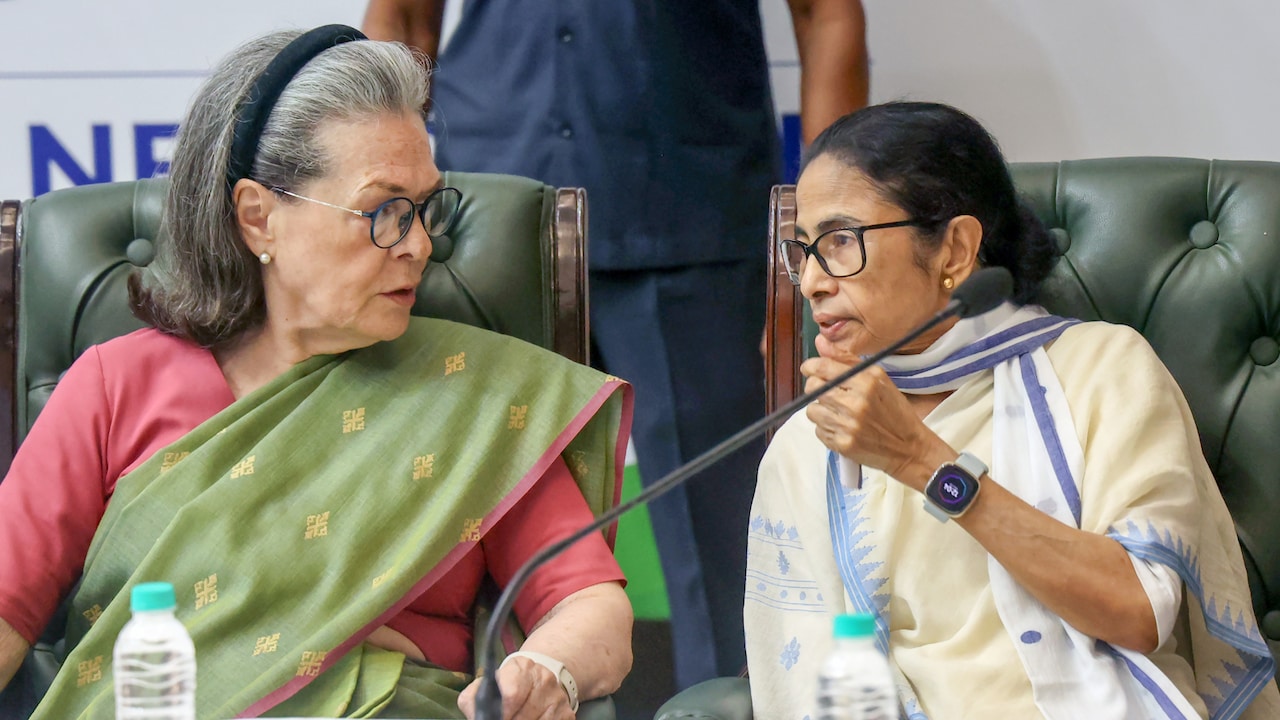
Mamata Banerjee with Congress leader Sonia Gandhi recently.
But the relationship did not last. In September 2012, Mamata Banerjee withdrew her support from the Congress-led UPA government at the Centre. The reasons cited were FDI in retail, the increase in diesel prices, and the cap on LPG cylinders.
The Congress subsequently came out of the Mamata Banerjee government in West Bengal. Since then, there has been no official Congress-TMC political understanding at the state level.
In the 2016 state elections, the Congress instead allied with the CPM against the TMC. Mamata won a second term. In the 2019 Lok Sabha election, there was no Congress-TMC alliance. The TMC won 22 of the state's 42 seats. The Congress won two.
Then came the 2021 Assembly election. Again, there was no Congress-TMC alliance. The Congress, the Left and the ISF came together.
The Congress was reduced to zero seats. The TMC won 213 seats. The BJP emerged as its principal challenger and increased its tally.
Then came the 2024 Lok Sabha contest. At the national level, an alliance existed within the broader INDIA framework, and Mamata Banerjee was part of that political arrangement. But in West Bengal, sections of the Congress were divided on an alliance with the TMC.
Senior Congress leader Adhir Ranjan Chowdhury took a steadfast position, saying that the Congress should not partner with Mamata as there was anti-incumbency against her government. Mamata Banerjee said the Congress would not be given more than two seats in Bengal. The alliance did not happen. The TMC won 29 seats, the BJP got 12 seats, and the Congress managed one.
For the 2026 state elections, too, there was no alliance. The Congress has largely worked through a contradiction whereby it counts the Left and Mamata both as INDIA bloc members or backers.
A recap tells us: The first TMC-Congress alliance in 2001 failed; a second alliance, from 2009 to 2011, was a hit and Mamata came to power; in 2012, the relationship broke again; and since then there's been no alliance between these parties in West Bengal even as they work together at times at the Centre.
And now, after the TMC's defeat in the 2026 election, Mamata Banerjee's new reality is stark as her party has also split.
There are now two, if not three, factions.
More than 60 MLAs have shifted to the Ritabrata Banerjee and Arup Roy-led group and want the name and symbol of TMC.
In Delhi, Kakoli Ghosh Dastidar and Sudip Bandyopadhyay have "merged" into a little-known party from Tripura.
At this stage, Mamata Banerjee wants to establish a political bond with the Congress. She spoke to Rahul Gandhi on Thursday after the Election Commission froze her party's name and symbol for now.
Chronologically, the Congress-TMC equation has always been a love-hate relationship. The Congress was seen to have a kind of "zamindari" or feudal attitude for a long period. That was also a consequence of its long political hegemony. But now the Congress itself is realising that it needs regional forces.
The problem is that most of the state Congress leadership is still not ready to go with Mamata at the state level. Leaders such as Adhir Chowdhury believe the Congress should not go with Mamata at this stage.
Their argument is straightforward. The BJP is now in power. And, according to the political logic they are applying, anti-incumbency against the BJP will eventually emerge. They believe that the BJP's Hindutva politics, its emphasis on issues such as alleged illegal Muslim infiltration and madrasas, and other contentious questions could create new space for the Congress as a main opposition over time. If the Congress goes with Mamata now, they argue, it could miss that opportunity, they argue.
At the Congress high command level, however, a different discussion is taking place.
One proposal is that if the Congress wants to go alone, then it should also leave the Communists behind. The Left, too, carries a strong historical baggage in the public mind. Therefore, an alliance with the Left could itself become a liability for the Congress.
Then comes a practical question. Municipal elections, panchayat elections, and other local elections are ahead, while the next Assembly contest is five years away.
Meanwhile, the 2029 Lok Sabha elections will be held.
It's unlikely that the TMC and Congress will ally for the immediate municipal elections. The Congress-Left relationship is also not clear.
What is interesting is that, at the national level, the Congress needs Mamata Banerjee. Mamata may no longer have the power she once had in the West Bengal Assembly, but she still has a political face and a history.
Of course, she has the history of creating the TMC and of defeating the CPM after 34 years of Left rule in Bengal. By 2029, the Congress will also need the Left parties.
But if Mamata moves out of the INDIA alliance and starts criticising the alliance itself, that could be politically advantageous for Narendra Modi and the BJP. Therefore, the BJP strategy could be to divide the INDIA bloc.
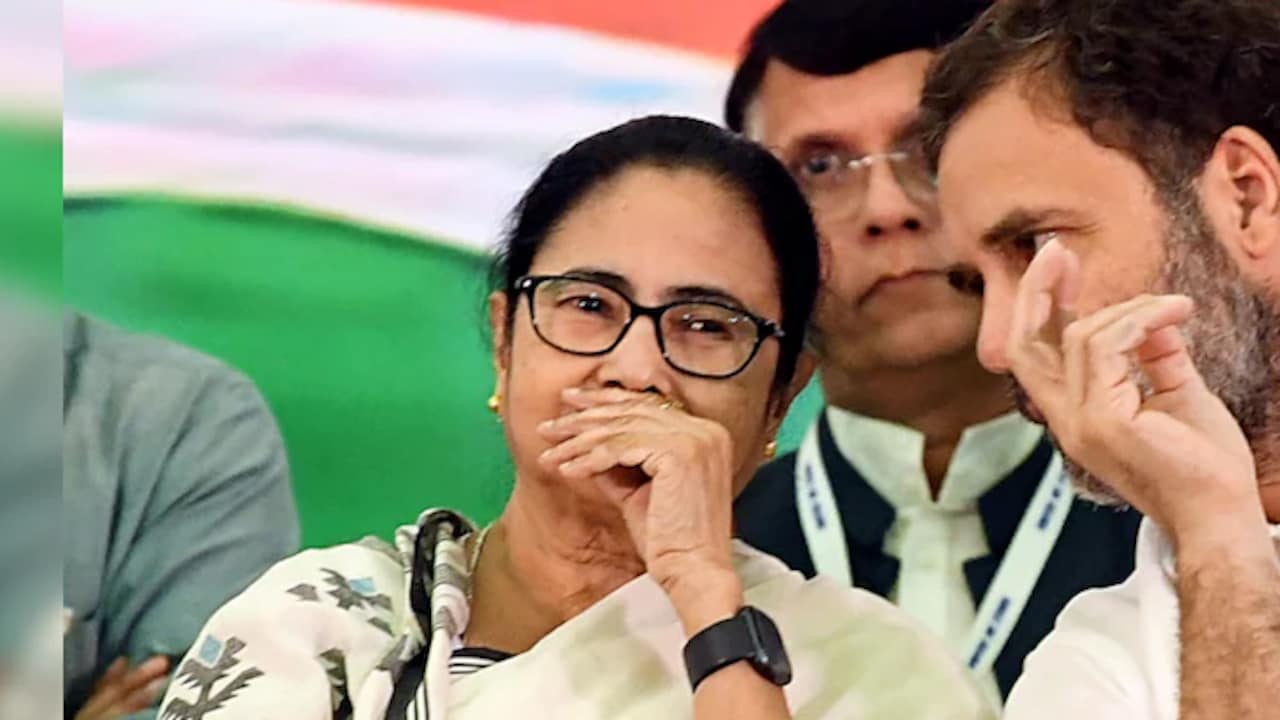
Rahul Gandhi, however, wants Mamata Banerjee to remain on the centre stage of the Opposition alliance. That is part of the 2029 strategy.
Add image caption here
Before that, the Uttar Pradesh election is also coming. The Congress wants to give the impression that if it can ally with the Samajwadi Party in Uttar Pradesh, then there is no reason why it cannot work with the TMC and other regional parties elsewhere. The Congress-DMK relationship also needs to improve.
So, at the national level, there is a larger attempt to bring the regional parties together. But at the state level, the dichotomy remains.
Even so, Mamata Banerjee is trying to create unity against the BJP. The role of the central agencies has become another factor in this calculation, and there are allegations against the Election Commission/
Even on the TMC's split, the Election Commission's decisions regarding the distribution of symbols and the renaming of the two factions have drawn criticism from AAP's Arvind Kejriwal and Rahul Gandhi's Congress alike.
The base question, therefore, is: what will ultimately happen to Congress-TMC unity?
At the national level, a certain bonhomie can certainly develop. But at the state level, if there is a seat adjustment between the Congress and the TMC in the coming days, whether in the short or the long term, it will create another new chapter in Bengal's political history. And if that becomes possible, we can say the relationship has come full circle.
There had even been a proposal that the TMC could merge with the Congress and that Mamata Banerjee could return to her old party. A section of the Congress leadership was in favour of such an arrangement. But Mamata Banerjee was not keen. The reason was obvious: her own political identity would disappear.
After the split in the party, and losing the original party name and symbol at least for now, the situation has changed. Mamata is now anxious. This is an existential crisis for the TMC. So the final question is: Can the argument of national interest and the larger fight against the BJP become the basis for a new Congress-TMC relationship?
That is the question that Bengal politics will now have to answer.
KioskNews shows a cleaned-up reading view extracted from the publisher’s page — the original always lives on their site, not ours.