Fresh isn’t always best: six easy ways to make better pasta, according to Julia Busuttil Nishimura
Pasta is a well-loved staple in the kitchen. It’s something that many of us fall back on when we don’t know what to cook or don’t feel like anything too fussy. But if your pasta sauce is a little too watery, or lacks that oomph of restaurant dishes, there are a few simple tricks and techniques that can take your simple midweek dinner to new and delicious heights.
1. Fresh isn’t always best
While some might see fresh pasta as superior, true pasta lovers know that dried pasta has a very important role in Italian kitchens. There are many sauces that are simply better served with dried varieties, such as all of the Roman sauces: amatriciana, carbonara, cacio e pepe and alla gricia. Plus, dried pasta is very economical and a handy pantry staple. Look for dried pasta with a rough surface, perfect for sauce-catching, and a pale yellow colour, which indicates the pasta was dried low and slow, resulting in better texture and flavour.
2. Be generous with the olive oil
If a sauce is olive oil based, such as aglio olio or alle vongole, or tomato-based, be generous with the extra virgin olive oil you use in the beginning. Particularly with an oil-based sauce, olive oil not only brings flavour, but also helps to emulsify the sauce once that pasta water meets the pan. Topping your finished dish with more extra virgin olive oil to finish is also highly recommended.

3. Cook sauce low and slow
When adding base aromatics for a sauce, make sure your pan and oil are only just warm, rather than very hot. Ingredients like chilli, garlic, onion and even parsley stalks added to a cold or warm pan with oil will slowly release their flavours and yield much more depth than cooking quickly over a high heat can achieve. Garlic, in particular, can become bitter and acrid if cooked over a too-high heat.
4. As salty as the sea?
When I lived in Italy, one of the first things I learned was just how important it is to salt the pasta water. Cooking pasta in unseasoned or underseasoned water results in, well, underseasoned pasta. But how much salt is too much salt? You’ve probably heard people say the water should be “as salty as the sea”, which if you ask me, is far too salty. I never measure, but if you want to, around one-and-a-half to two teaspoons of salt per litre is a good place to start.
5. Keep that precious pasta water
So your pasta is boiling (I like to cook mine for a couple of minutes fewer than the packet directions, and always taste mine towards the end of the cook time to make sure it’s al dente). Don’t tip that perfectly seasoned, now starchy, pasta water down the drain! Instead, keep the pot on the stove, scoop the pasta out either with a sieve for short shapes, or tongs for long ones, and place it directly into the pan with the sauce, which should now be at a fairly high heat. Have a ladle or a mug handy and scoop out some of that precious pasta water into the pan. Finish cooking the pasta in the sauce, adding more pasta water as needed. The starchy water helps both loosen and emulsify the sauce, so it clings to the pasta in the most pleasing way.
If making a sauce that doesn’t require any heat, for example a pesto, place the cooked pasta in a large bowl with the dressing or condiment, add splashes of reserved pasta water and combine until the sauce is glossy and coats the pasta.
6. No cheese, please!

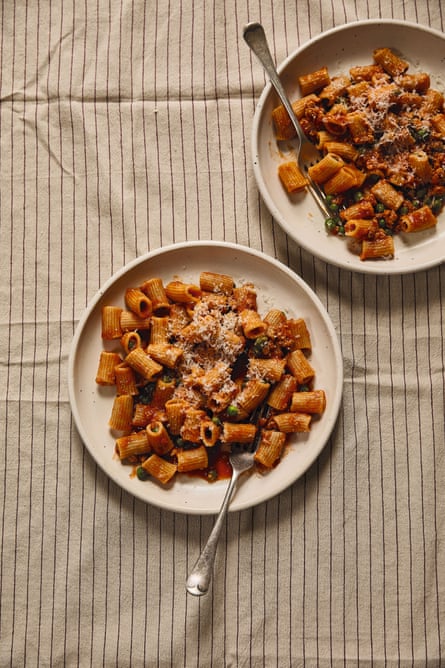
All pasta dishes need grated parmesan, right? Well, I’m no absolutist, but some pasta dishes are simply better without a heaping of parm. Pecorino is the preferred cheese for certain dishes – I especially prefer it when making something with spring vegetables or lamb or those aforementioned Roman pasta sauces. Pecorino is a salty and sharp sheep’s milk cheese which is very commonly used in Lazio, in central Italy, and surrounding regions. I love how it builds a bold sauce when cooked with a handful of ingredients, and also cuts through the richness of ingredients like lamb and guanciale.
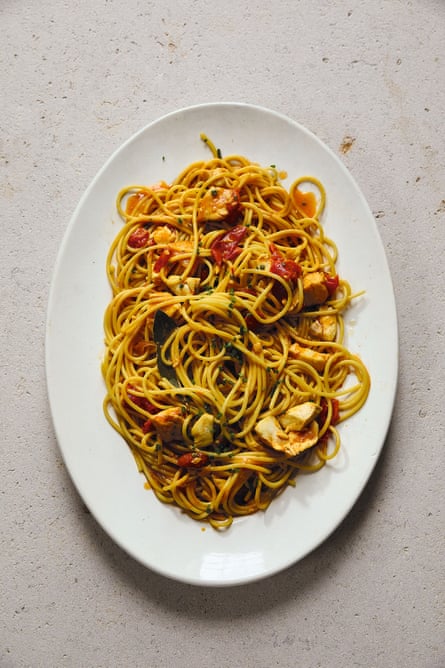
Generally fish and cheese don’t mix in Italian cooking – there are some exceptions, most notably mozzarella and anchovy or mussels with pecorino in Puglia, however using a strong cheese like parmigiano reggiano or pecorino with seafood is very uncommon. According to Hippocrates and ancient medicine, cheese and fish eaten together was said to poison the body. But I would just say that the flavour of strong cheese overpowers the sweet brininess of seafood and fish. Instead, try crunchy fried breadcrumbs scattered atop your next plate of seafood pasta.
-
Julia Busuttil Nishimura’s cookbook, Simple Pleasures: Recipes to Fall in Love With Every Day, with photography by Armelle Habib, is available now through Pan Macmillan Australia, $44.99
KioskNews shows a cleaned-up reading view extracted from the publisher’s page — the original always lives on their site, not ours.