Tokyo, Osaka temperatures top 30°C later in year than ever before
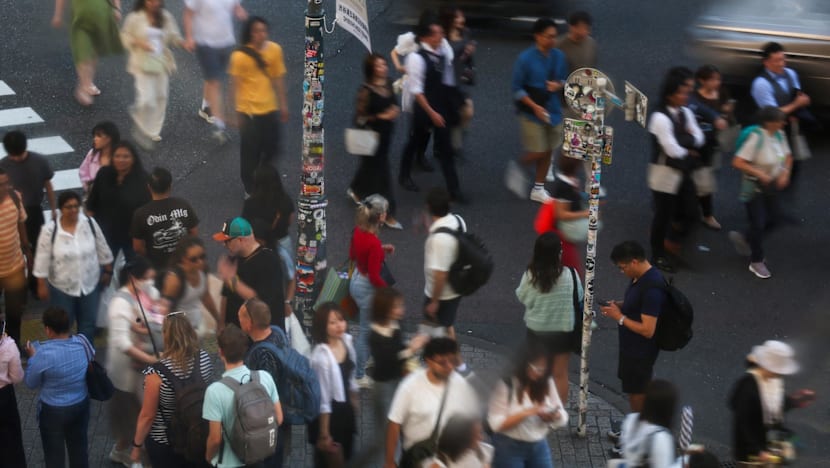
TOKYO: Tokyo and Osaka topped 30°C on Wednesday (Oct 21), the latest in the year both cities have ever recorded such temperatures, a Japan weather official said.
Warm, humid air from the south swept across Japan, particularly areas along the Pacific coast, sending temperatures unusually high for late October.
Tokyo climbed above 30°C by early afternoon, the threshold the Japan Meteorological Agency classifies as a "midsummer day", JMA data science official Kazuhiro Shirono told AFP.
It marked the latest 30°C-plus day recorded in the Japanese capital since observations began in 1875, he said.
Prior to this, the latest midsummer day record was Oct 19, 2024, Shirono said.
Temperatures also rose above 30°C in Japan's second city Osaka, breaking the city's previous record for the latest midsummer day, set on Oct 20, 1933.
Osaka began recording weather observations in 1883, according to the JMA.
Scientists say human-induced climate change is increasing the frequency and intensity of extreme heat events around the world.
Japan saw its hottest summer on record in 2025, with warmer days on the rise globally due to climate change.
This year, the weather office began using a new word - "kokushobi" or "cruelly hot day" - when temperatures hit 40°C, urging the public to treat extreme heat like a natural disaster.
KioskNews shows a cleaned-up reading view extracted from the publisher’s page — the original always lives on their site, not ours.