Asian American share of Harvard students reaches 10-year high
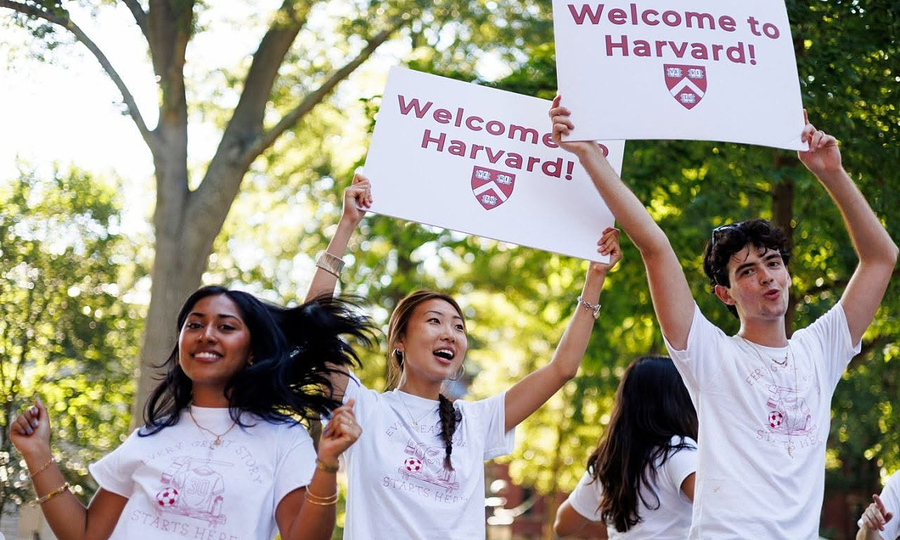
More than four in 10 incoming Harvard students are of Asian descent, nearly double the proportion five years ago, following the end of race-conscious admissions.
Asian American students make up 43.2% of Harvard University's Class of 2030, the highest proportion in a decade, according to admissions data released by the university last week and reported by student newspaper The Harvard Crimson.
The figure is nearly double the share recorded five years ago, while the proportion of Black students has fallen by about half from its 2023 level to 9.3%. Hispanic students account for 11% of the incoming class, little changed from previous years.
The demographic shift comes three years after the U.S. Supreme Court struck down race-conscious admissions policies at universities. The ruling followed a lawsuit filed by Asian American students who alleged discrimination in the admissions process.
Evidence presented during the trial showed that Asian American applicants had higher academic scores on average but consistently received lower personality ratings, a subjective criterion assessed by admissions officers.
Harvard has since become a major target of President Donald Trump's efforts to overhaul higher education, with its admissions practices facing increased scrutiny. In February, the administration sued the university after it refused to hand over individual applicants' admissions records, CNN reported.
Despite the legal and political challenges, Harvard continues to attract strong interest. The university received more than 55,000 applications for the previous academic year, a 15% increase from the year before, while admitting fewer than 4% of applicants. International students account for about 15% of its student body.
Harvard ranks among the world's top five universities in several major rankings, including those published by U.S. News & World Report, QS and Times Higher Education.
 |
|
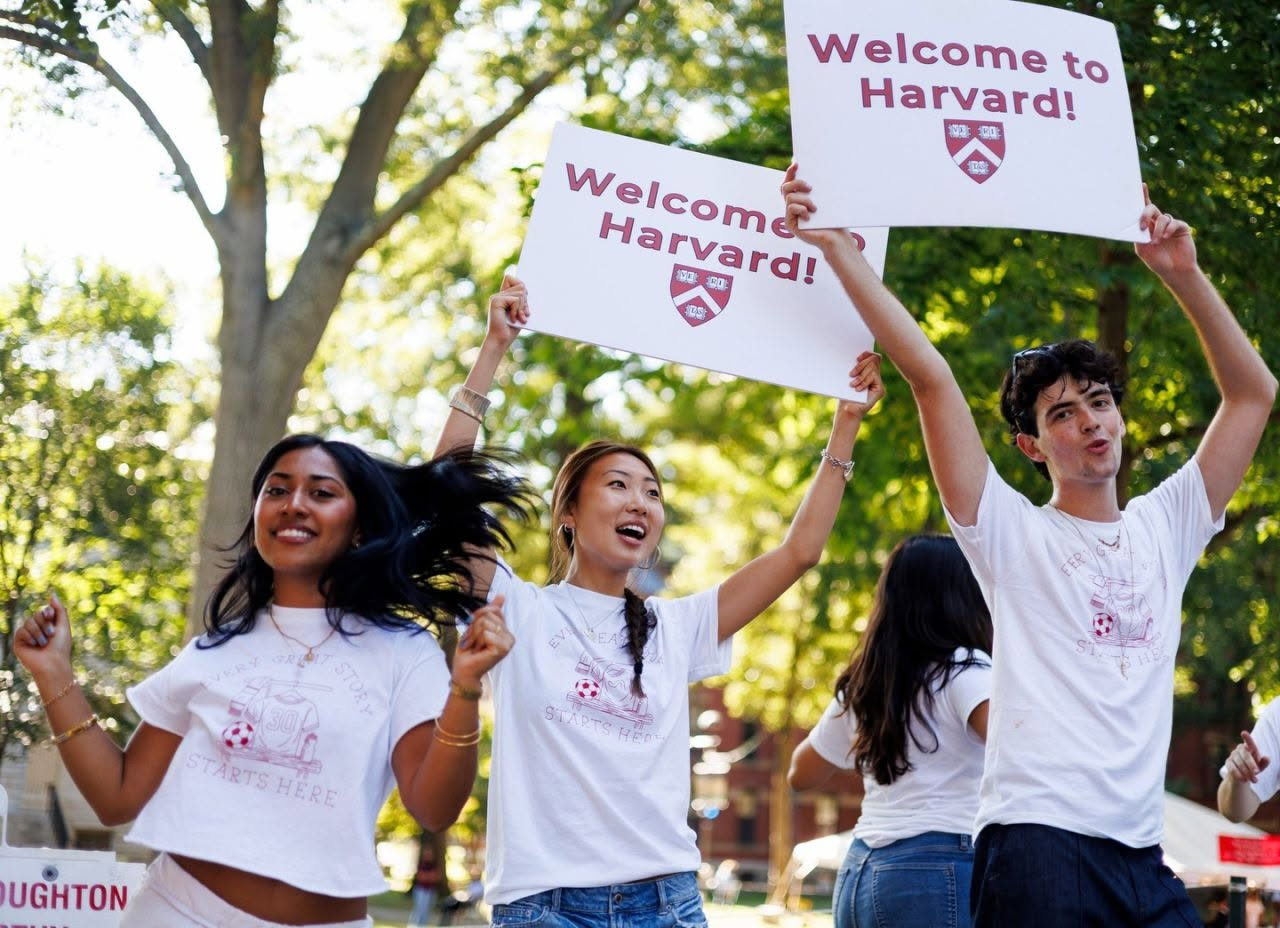
Harvard University students at the start of a new school in year in August 2026. Photo from the university's Facebook page |
Demographic shifts have also been reported at other elite institutions.
At Yale, Asian American students' share of enrollment rose by 3 percentage points, from 30% in the Class of 2029 to 33% in the Class of 2030, according to the Yale Daily News, a student newspaper.
Princeton recorded slight increase in Black enrollment this year.
Conservatives who opposed race-conscious admissions have welcomed the changes in the demographic makeup of students entering universities that serve as major pathways to financial and political influence in the U.S.
They argued that previous policies disadvantaged applicants whose academic qualifications warranted admission, according to The New York Times.
Universities maintain that they are complying with the law while continuing to seek diverse student populations that reflect the country's demographics. Supporters of affirmative action argue that diversity enriches the educational experience and helps ensure that national leadership, from Supreme Court justices to corporate executives, reflects the broader population.
KioskNews shows a cleaned-up reading view extracted from the publisher’s page — the original always lives on their site, not ours.