Sue social media platforms over sale of drug-laced vapes, say activists
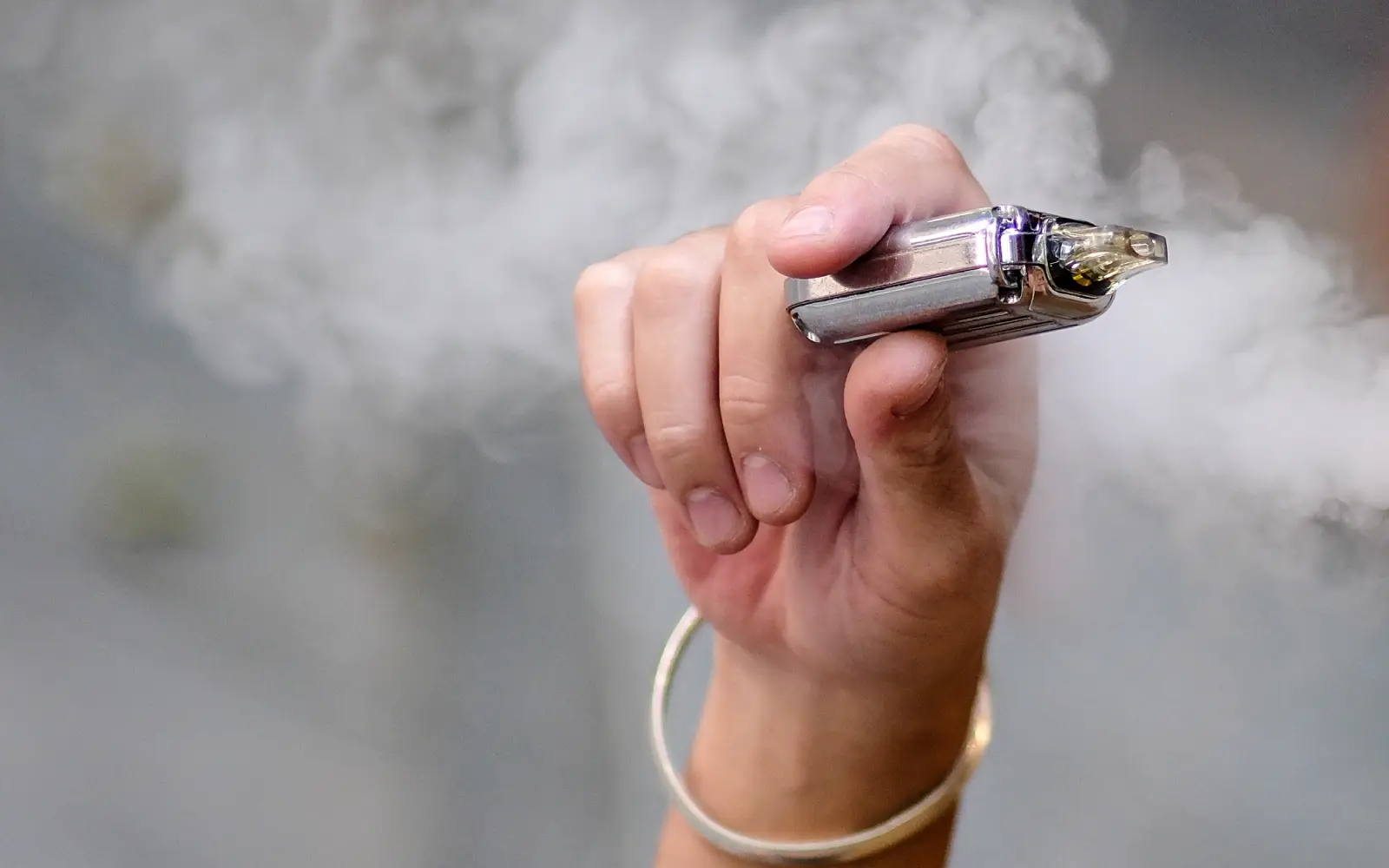
The Malaysian Islamic Consumers Association (PPIM) and an activist have called for lawsuits to be filed against social media platforms for facilitating the online sale of drug-laced vapes to minors.
PPIM lead activist Nadzim Johan and social media influencer Ariz Ramli, known as Caprice, said such tech giants must be held accountable for the rampant sale of drug-laced vapes commonly known as “piu-piu”.
They pointed to a suit filed by 29 American states against Meta over features on Facebook and Instagram that harmed children, which culminated in a historic US$18 billion settlement by the tech firm.
Nadzim and Ariz claimed that social media platforms had been “waiting for user complaints” over the sale of illicit vapes in the country instead of taking proactive measures.
They added that combating the drug trade requires a whole-of-society effort rather than relying solely on government agencies such as the Malaysian Communications and Multimedia Commission (MCMC), health ministry or police.
They said the suits could be filed by members of the public, NGOs and even government agencies.
The activists demanded that social media platforms use their AI algorithms to detect and block illicit drug sales just as swiftly as they censored copyrighted material or sensitive speech.
The emergence of “piu-piu” has led to fresh calls for vapes to be banned in Malaysia.
In the first four months of 2026, police recorded 402 cases of drug-laced vapes, with synthetic drugs such as benzodiazepine, nimetazepam, MDMA, cannabinoids, tetrahydrocannabinol and methamphetamine detected.
KioskNews shows a cleaned-up reading view extracted from the publisher’s page — the original always lives on their site, not ours.